



A viral Reddit photo comparing a tiny McDonald’s soft drink cup to a standard water cooler cup has reignited accusations of shrinkflation against the fast-food giant, with customers branding the serving “action figure-sized.”
McDonald’s is facing fresh accusations of shrinkflation after a customer shared a photo appearing to show one of its drinks looking noticeably undersized. The image, posted to Reddit, showed what appeared to be a small McDonald’s cup placed next to a standard water cooler cup, with the poster captioning it “small Coke abomination” and describing the serving as “action figure-sized.” The photo has since generated millions of views across Reddit and other social media platforms, reigniting broader debate over shrinkflation in the fast-food industry.
What the photo shows
The Reddit user who posted the image said they had compared the McDonald’s soda to a plastic cup from their own pantry, adding that the drink had cost “$1.91 for this sewing thimble.” Several commenters pointed out that the cup appeared to hold around 12 fluid ounces (355ml), making it noticeably smaller than the traditional Small drink size typically offered at McDonald’s locations across the US.
The post attracted hundreds of comments, with many users accusing McDonald’s of quietly reducing drink sizes while continuing to charge the same, or more. “That’s for Barbie’s Happy Meal,” one user joked, while another wrote: “Shrinkflation strikes again.” Others questioned whether the cup was genuine, with one commenter asking: “Is this real? I’ve never seen one that small.” Some speculated it might be part of a pilot rollout at select restaurants, while others suggested it was linked to McDonald’s value meal offerings.
What McDonald’s has said
The viral photo is believed to show McDonald’s newer “Mini” soft drink size, which has been introduced at some US locations as part of selected value menu offers, rather than as a replacement for the standard Small drink nationwide. McDonald’s has not announced any nationwide reduction to the size of its Small soft drink, and the company says drink sizes continue to vary depending on the country and individual franchise.
McDonald’s has previously stated that recent price increases largely reflect higher labour, food and operating costs, rather than deliberate reductions in portion sizes, and has said that many of its core menu items have remained the same size for decades.
Reaction to the smaller serving has been mixed. Some customers said they welcomed the option of a lower-priced, lower-calorie drink, while others argued the smaller size represented poor value for money.
A wider pattern across the food industry
McDonald’s has faced repeated criticism over perceived shrinkflation in recent years. Earlier this year, social media users complained that burgers, fries and soft drinks appeared smaller than they remembered, while others claimed Happy Meal portions had gradually shrunk over time.
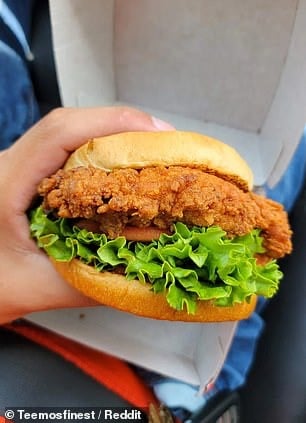
The broader trend has extended well beyond McDonald’s. Earlier this year, Costco shoppers claimed several bakery and grocery items had been downsized, while a Reddit user recently shared side-by-side photos comparing a Chick-fil-A Deluxe Sandwich from five years ago with one bought this year, claiming the newer version appeared flatter with a noticeably smaller chicken fillet.
Arby’s was hit with a proposed class action lawsuit in late 2024 alleging the chain had reduced the size of its fries and beverages without informing customers, while The Cheesecake Factory has also faced legal action over claims that its cheesecake slices had become smaller. Chipotle has similarly faced accusations of inconsistent portion sizes, with viral videos frequently comparing servings between different branches, though some of this may reflect inconsistency between locations rather than an official company-wide change.
Why shrinkflation is hard to spot
Economists use the term “shrinkflation” to describe the practice of reducing the amount of product a customer receives while keeping prices the same, or raising them only slightly, allowing companies to offset rising costs without imposing more obvious price increases. Consumer groups note that the practice can be difficult to detect, since companies are generally not required to inform customers when package sizes or portions shrink, provided the correct weight or volume is clearly displayed on the product.
