



The NHS is bracing for a “triple whammy of pressure” next week as a four-day strike by resident doctors coincides with a forecast heatwave and England’s opening World Cup match, health bosses have warned.
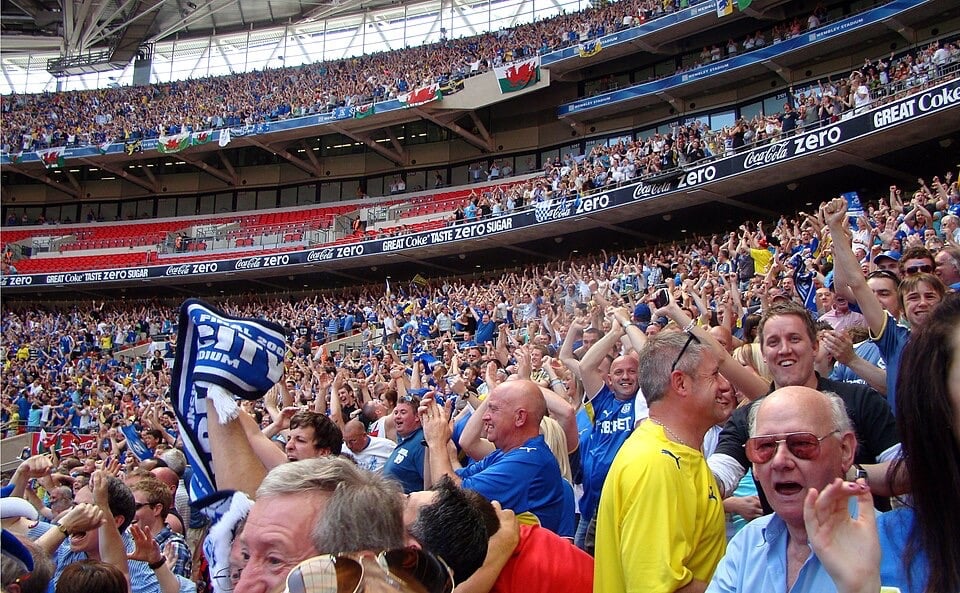
Resident doctors, led by the British Medical Association, will walk out from 7am on Monday until 6.59am on Friday 19 June in their 16th round of industrial action since 2023, in an ongoing dispute over pay and jobs. NHS officials are urging the public to come forward for care as normal, while bracing for surging demand as temperatures rise and pubs and bars fill for England’s clash with Croatia at 9pm on Wednesday.
The timing is particularly concerning given recent strain on emergency services. A&Es in England recorded their busiest ever month in May amid an earlier heatwave, raising fresh concerns about how the health service will cope if temperatures climb further. The Met Office has forecast temperatures “generally above normal” between Tuesday and Thursday.
Resident doctors, formerly known as junior doctors, are demanding a further 24 per cent pay rise on top of the 33.4 per cent increase they have received over the past four years. In March, the BMA rejected an offer worth an average of 4.9 per cent — a deal that would have seen some doctors earning over £100,000 before even qualifying as consultants. The dispute has so far cost the NHS more than £3 billion in lost activity and overtime payments to covering consultants, with each strike day costing around £50 million.
Professor Frankie Swords, national medical director at NHS England, said: “The NHS remains open as usual during this period of industrial action, with staff across the NHS doing everything they can to keep patients safe and minimise disruption to services. With temperatures set to rise again this week and the World Cup kicking off — it will be triple whammy of pressure, but staff will pull together as they always do, to keep the show on the road and ensure people continue to receive the care they need.” She urged people to stay cool, stay hydrated and seek help when needed, particularly the very young, the elderly and those with underlying health conditions, adding: “Please come forward for care as normal, call 999 or attend A&E in an emergency, and use 111 online first for urgent but non-life-threatening support.”
Sir Ciarán Devane, chief executive of the NHS Alliance, which represents healthcare leaders, said: “Local NHS leaders have become all-too familiar with dealing with industrial action stemming from this long and damaging dispute. Yet again, every effort will be made during next week’s walkout to minimise disruption to patients, despite potential additional pressures as a result of the weather and the football. But there will be some knock-on delays to care which will be hugely frustrating for those affected. And for every stoppage there is a very significant hit to NHS finances. Even at this late stage we urge both sides, the Government and the BMA, to get together and resolve this dispute once and for all.”
Health Secretary James Murray, speaking at the NHS ConfedExpo conference in Manchester this week, said: “I was really disappointed that the resident doctors are going to strike next week. I met them within my first couple of weeks in office and I explained to them my position, which is that there is a really good offer on the table when it comes to pay. We cannot go further on pay, but when it comes to other aspects of the deal, when it comes to job opportunities, to terms and conditions, training options, that is where I want to work with them to strengthen the deal as much as possible.”
When the strike was announced in May, BMA officials said Murray had “made clear” he would not increase the pay offer, and warned that further strike dates in July could yet be announced. His predecessor, Wes Streeting, had initially struck a deal to end resident doctor strikes during Labour’s first months in government in 2024, though industrial action resumed in 2025. Conservative leader Kemi Badenoch has called for doctors to be banned from striking, as is currently the case for police officers and the military. Resident doctor members of the BMA retain a mandate for industrial action until August.
