



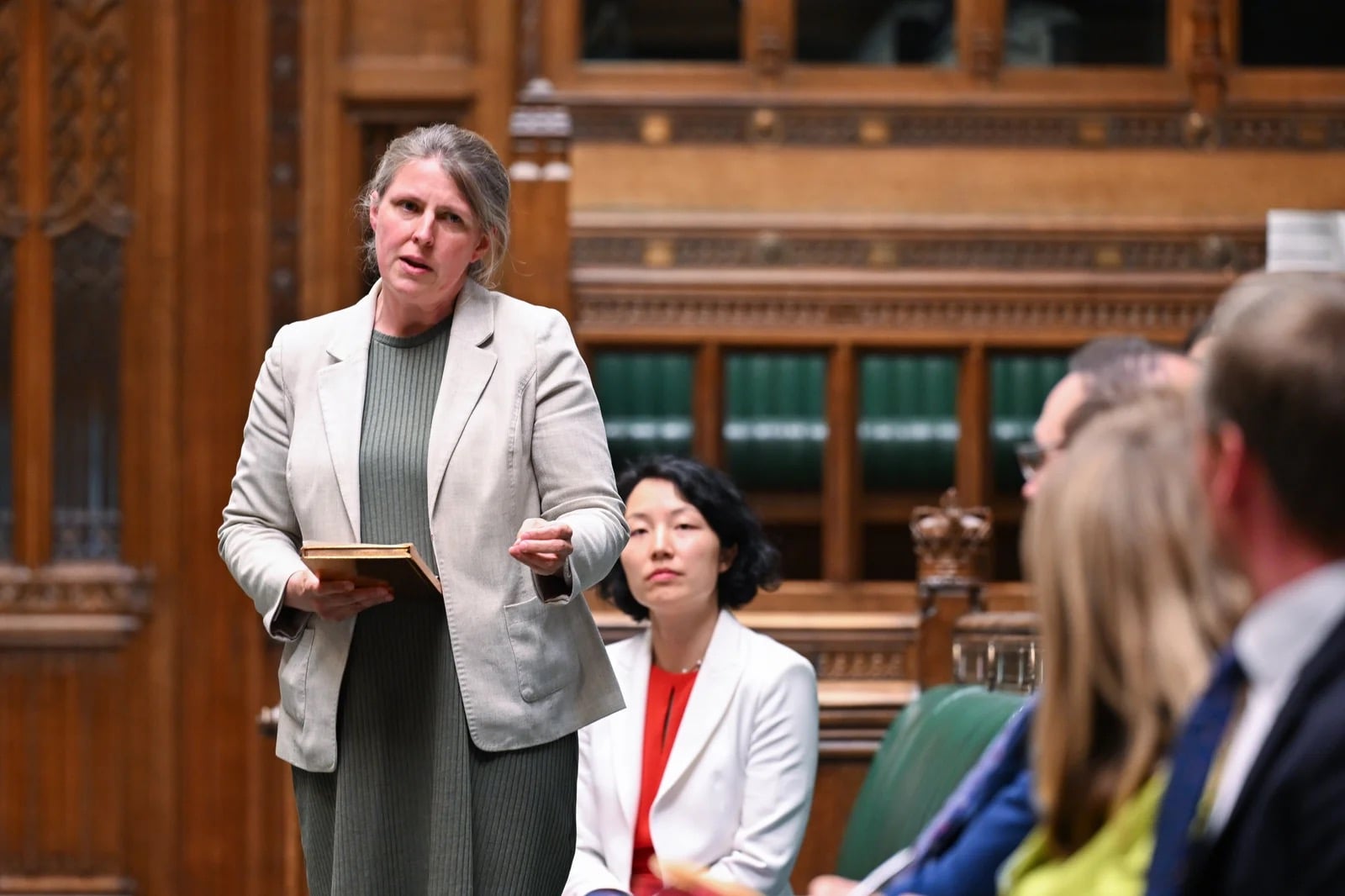
Plans to accommodate around 1,200 asylum seekers at the former RAF Linton-on-Ouse site have prompted warnings from local politicians and campaigners over pressure on the village’s infrastructure.
Women in a small North Yorkshire village could be outnumbered six to one if plans to accommodate around 1,200 male asylum seekers at a former military base go ahead, amid growing opposition to the proposal. The RAF Linton-on-Ouse site is one of three former military locations being considered for asylum accommodation, with the Government looking at ways to redistribute asylum seekers across different parts of England. York Central MP Rachael Maskell has described the Yorkshire site as unsuitable and is due to meet Home Office officials this month.
MP warns against using RAF Linton-on-Ouse
Ms Maskell has written to Home Office Minister Anna Turley to raise concerns about the proposal, arguing that RAF Linton-on-Ouse is not appropriate for a development of this scale.
Speaking to The Times, the Labour MP said politicians from different parties were united in believing the site was unsuitable. She highlighted concerns about the additional demand that 1,200 people could place on local water, sewage and electricity infrastructure.
The site was previously considered for asylum accommodation in 2022, but plans were abandoned following significant opposition in the local area.
Ms Maskell said the condition of the former base had since deteriorated further.
“It’s just the wrong site,” she said, adding that the previous Government had recognised the problems after examining the proposal in greater detail.
She said the current Government needed to reach the same conclusion.
Local campaigners voice concerns
Opposition has also come from the Linton Action Group.
Professor Olga Matthias, who represents the campaign group, told GB News that the village was “categorically the wrong place for so many reasons”.
Local reactions have not been unanimous, however.
Churchill Estate Agents told GB News that concerns being expressed by some residents were “figments of your imagination”. The estate agency also claimed that some residents were pleased at the prospect of helping people seeking refuge.
Conservative councillor Malcolm Taylor offered a contrasting assessment, saying some families had moved to Linton-on-Ouse after the previous plans were dropped because they believed the issue had been resolved.
He said residents had chosen the village for its “peace, tranquillity and quality of life” and described the renewed proposal as a major disruption.
Government considers wider distribution
The controversy comes as ministers consider changing how asylum accommodation is distributed across the country.
Greater Manchester Mayor Andy Burnham told GB News on Tuesday that more affluent parts of the country should “play their part” in accommodating asylum seekers.
Home Office Minister Anna Turley subsequently acknowledged to GB News that concentrating asylum accommodation in poorer communities had contributed to “civil unrest”.
The Government is also considering increasing the rent ceiling that private accommodation providers can use when proposing properties for asylum accommodation, according to The Telegraph.
The current limits restrict the properties contractors can put forward, particularly in more expensive parts of the country. Raising those limits could allow accommodation to be sourced in wealthier areas.
A Downing Street source told The Telegraph that Mr Burnham believes the existing distribution is unfair and supports changing it, while also acknowledging that a wider distribution could increase costs.
The source said the Government wanted to reduce Channel crossings and the overall reliance on asylum accommodation, but argued that the system should be distributed more evenly while it remained necessary.
Military sites remain part of Government plans
The Government is considering placing approximately 3,750 asylum seekers across three disused military sites, including RAF Linton-on-Ouse.
Ms Turley told GB News on Wednesday that around 1,500 asylum seekers were currently being accommodated at military bases.
She argued that military sites could provide dedicated services and keep residents in designated locations rather than dispersing them throughout local communities.
The Government’s plans therefore remain under consideration as ministers attempt to alter the distribution of asylum accommodation, while opposition to the proposed Yorkshire site continues.
