



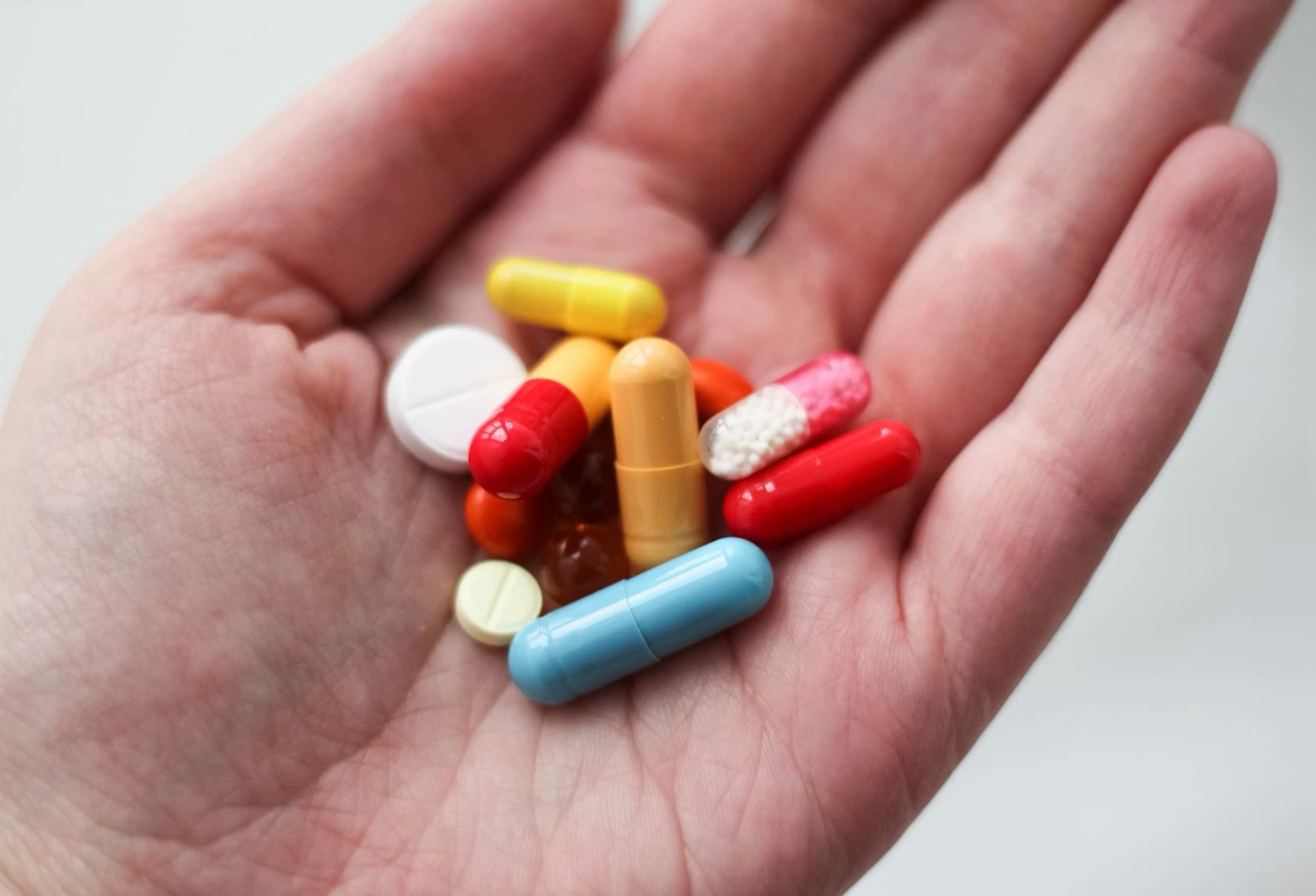
Dispelling misleading social media claims about supplements such as turmeric, St John’s wort and magnesium has become a routine part of frontline NHS work, according to new research published ahead of Cancer Prevention Action Week, which begins on Monday.
Polling conducted by YouGov for the World Cancer Research Fund found that two out of five frontline health workers encounter patients raising inaccurate or misleading information about supplements at least once a week, with the figure rising to 53 per cent among nurses and midwives. The WCRF surveyed 795 NHS staff for the research, and says false information about nutrition and supplements is now consuming what doctors describe as “precious time” during consultations.
Dr Philippa Kaye, a GP, said she encounters the consequences of health misinformation every week in her surgery. “My patients arrive clutching newspaper stories, social media screenshots, printouts from wellness websites or saved videos from TikTok,” she said. “What particularly worries me is the widely held belief that if something is sold over the counter, marked as ‘natural’ or endorsed online, then it must automatically be safe and harmless, while prescribed medicines are somehow toxic. As doctors, we know this simply is not true.”
Kaye said the assumption that over-the-counter status equates to safety can obscure genuine risks. “People assume that supplements are safe because you can buy them over the counter without a prescription,” she said. “But if something works, then there is an active ingredient in it that may also cause problems. For example, liver injury related to turmeric supplements, St John’s wort interacting with other medications, people thinking they are taking magnesium for sleep but there are different types of magnesium, and some can cause diarrhoea and various supplements leading to itchy skin reactions.”
The WCRF says concern about public misunderstanding of health information is now significant enough that it plans to focus its campaigning activity on misinformation for the next three years. Steven Greenberg, the WCRF’s UK director, said the scale of false claims circulating online ranged from the extreme to the mundane. “From horse wormers to apricot kernels, which can cause serious cyanide toxicity, to everyday items like sugar and vitamin C, social media is flooded with false promises and dangerous claims about cancer prevention and cures,” he said. “We are hearing from patients, nurses, GPs and oncology dietitians that this is pulling people away from the evidence-based changes to diet and lifestyle that can genuinely make a difference, while eating up precious time in NHS consultations.”
Sharon Moffat, who became a campaigner against unfounded cancer treatment claims after being diagnosed with breast cancer in 2024, described the wave of unsolicited advice she received after going public with her diagnosis. “After sharing my cancer diagnosis publicly I wasn’t prepared for the influx of opinions, suggestions and advice that followed,” she said. “Almost overnight people were recommending everything from special waters and supplements to products claiming to boost recovery or even cure cancer. Many of these recommendations came from a place of genuine care. Friends and family wanted to help and others had seen claims online that sounded convincing. When you’re living with cancer, you’re searching for hope and looking for anything that might improve your chances of getting better. I understood that instinct because I felt it too. But when I started asking what evidence supported some of these claims I often found there wasn’t a clear answer. Some were being promoted by influencers with huge followings. Yet when questioned, I was met with vague responses, hostility or simply no answer at all.” Moffat said her experience had taught her that “when fear is driving your decisions, the promise of a miracle cure can be incredibly tempting.”
Rachel White, an oncology dietitian, said navigating misinformation had become a “challenging” part of advising cancer patients. “Patients are making changes to try to improve their health and survival, but what they often do not realise is the danger or harm they can be doing instead,” she said, adding that many cancer patients turn to supplements because they believe doing so helps them regain a sense of control over their health. When discussing supplements with patients, White said she explains what the research evidence actually shows, alongside the associated risks and benefits.
Responding to the findings, a government spokesperson urged people to seek advice from qualified professionals rather than relying on online sources. “Your health is too important to leave to social media and the internet,” the spokesperson said. “Always speak to a qualified health professional before making decisions about your diet, supplements or treatment. We expect social media platforms to act swiftly and take action against misleading health content on their platforms. If you’re concerned about something you’ve seen online, you should report it following the platform’s guidelines.”
The survey also found that many NHS staff feel poorly equipped to counter mistaken beliefs in unorthodox therapies, such as claims that eating certain “superfoods” daily or undertaking dietary detoxes can reduce cancer risk. The WCRF is urging ministers to use the forthcoming NHS long-term workforce plan for England to ensure staff receive proper training and access to trustworthy resources to address what it describes as an “emerging crisis of misinformation.”
