



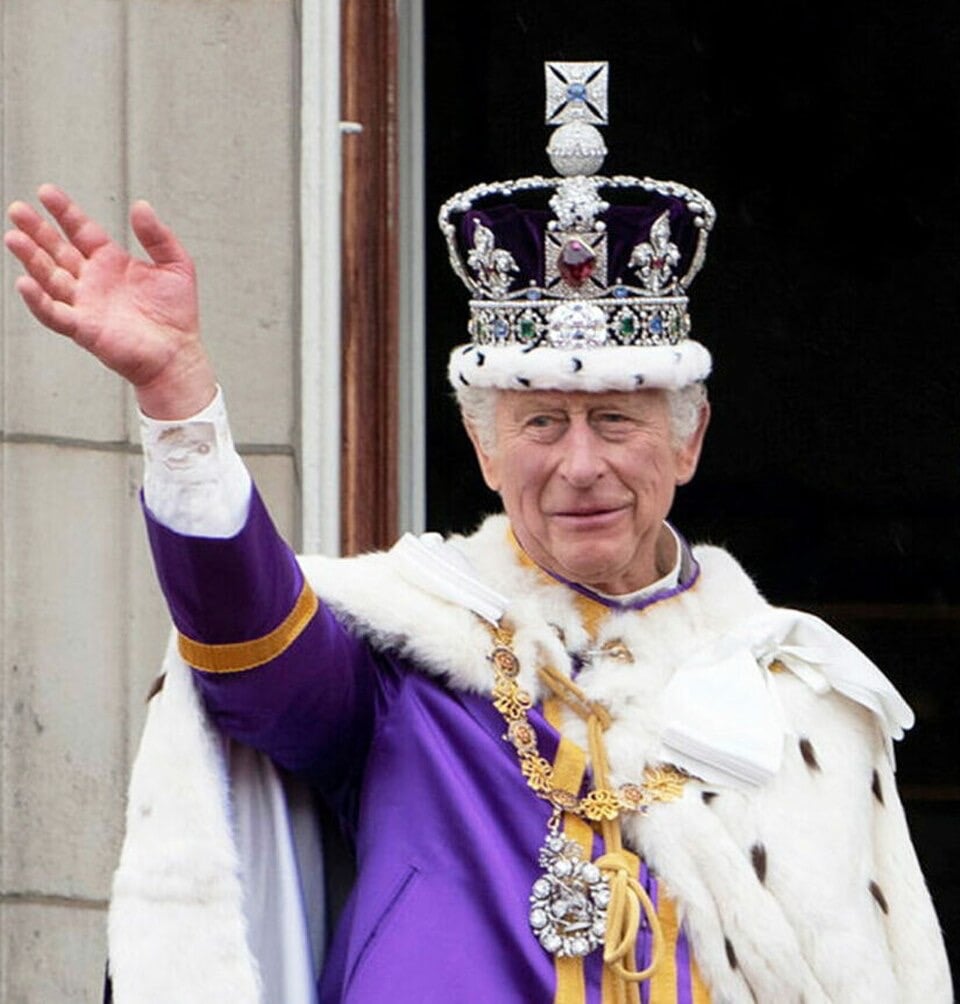
Scotch whisky producers have credited King Charles with helping to secure the removal of US tariffs on Scotch, after President Donald Trump ended the levy following the King’s state visit to America in April.
Scotch whisky distillers have thanked King Charles after Donald Trump agreed to scrap tariffs on Scotch exports to the United States, with the change coming into effect yesterday. Industry figures said the King’s efforts during a state visit to the US in April played a key role in securing the deal, which is expected to strengthen exports already worth close to £1 billion a year. First Minister John Swinney predicted the move would deliver a “significant benefit” to the industry, even as Trump imposed a fresh round of tariffs on other goods on the same day.
Scale of the deal
The tariff removal applies to all Scotch whisky exports to the United States, covering both single malt and blended Scotch, restoring duty-free access across the entire category. The agreement also benefits American producers, allowing Kentucky bourbon to enter the UK free of additional duties, along with the £200 million worth of Kentucky bourbon casks imported to Britain each year, which are used to mature Scotch whisky.
The United States has remained Scotch whisky’s largest export market by value for several consecutive years, accounting for roughly one in every five pounds earned from global Scotch exports. In 2025, the US market was worth £933 million to the industry.
Industry reaction
Scotch Whisky Association international director Ian Duddy welcomed the change, saying: “The return of tariff-free trade for Scotch whisky in the US is welcome news for businesses on both sides of the Atlantic. As Scotch whisky’s most valuable global market, worth £933million in 2025, the removal of tariffs provides greater confidence to invest, grow exports, and support jobs and communities across Scotland and the US. From Kentucky to Speyside, this will not only benefit the Scotch and US whisky sectors, but our wider supply chains of cooperages, farmers, hospitality and retail. On behalf of the Scotch whisky industry, we are grateful to everyone who worked to make this happen, including His Majesty The King during his recent state visit.”
The Scotch Whisky Association said the removal of tariffs will particularly help smaller and independent distilleries, which had been disproportionately affected by the additional costs. Industry leaders said the return to tariff-free trade is expected to encourage greater investment, new product launches and longer-term supply contracts with US importers and distributors. Despite the boost, distillers cautioned that the industry continues to face other challenges, including rising production costs, global economic uncertainty and shifting consumer demand.
Background to the tariffs
During his first presidency, Trump imposed a 25% tariff on single malt Scotch for 18 months, a levy the industry says cost it an estimated £600 million in lost exports. At the start of his second term last year, he introduced a reduced 10% levy, which had been due to rise back to 25% this year. However, he dropped that plan following the state visit by King Charles and Queen Camilla, saying he had taken “all the restrictions off” in “honour” of the royal couple.
John Swinney said: “This is a win for Scotland and a win for the United States.” Scottish Secretary Douglas Alexander said he was joining “all those raising a dram today for the efforts to reach this point.”
Wider economic context
Scotch whisky exports contribute more than £7 billion annually to the UK economy, making the industry one of Britain’s largest food and drink export sectors. It supports around 41,000 jobs in Scotland and a further 25,000 across the rest of the UK, with the US accounting for a fifth of total export value.
The tariff change comes against a wider backdrop of trade tension, after the US Supreme Court ruled earlier this year that Trump’s so-called “Liberation Day” tariffs were illegal. Despite that ruling, his administration has continued to impose fresh import duties on more than 60 countries, including the UK, citing concerns over forced labour practices.
