



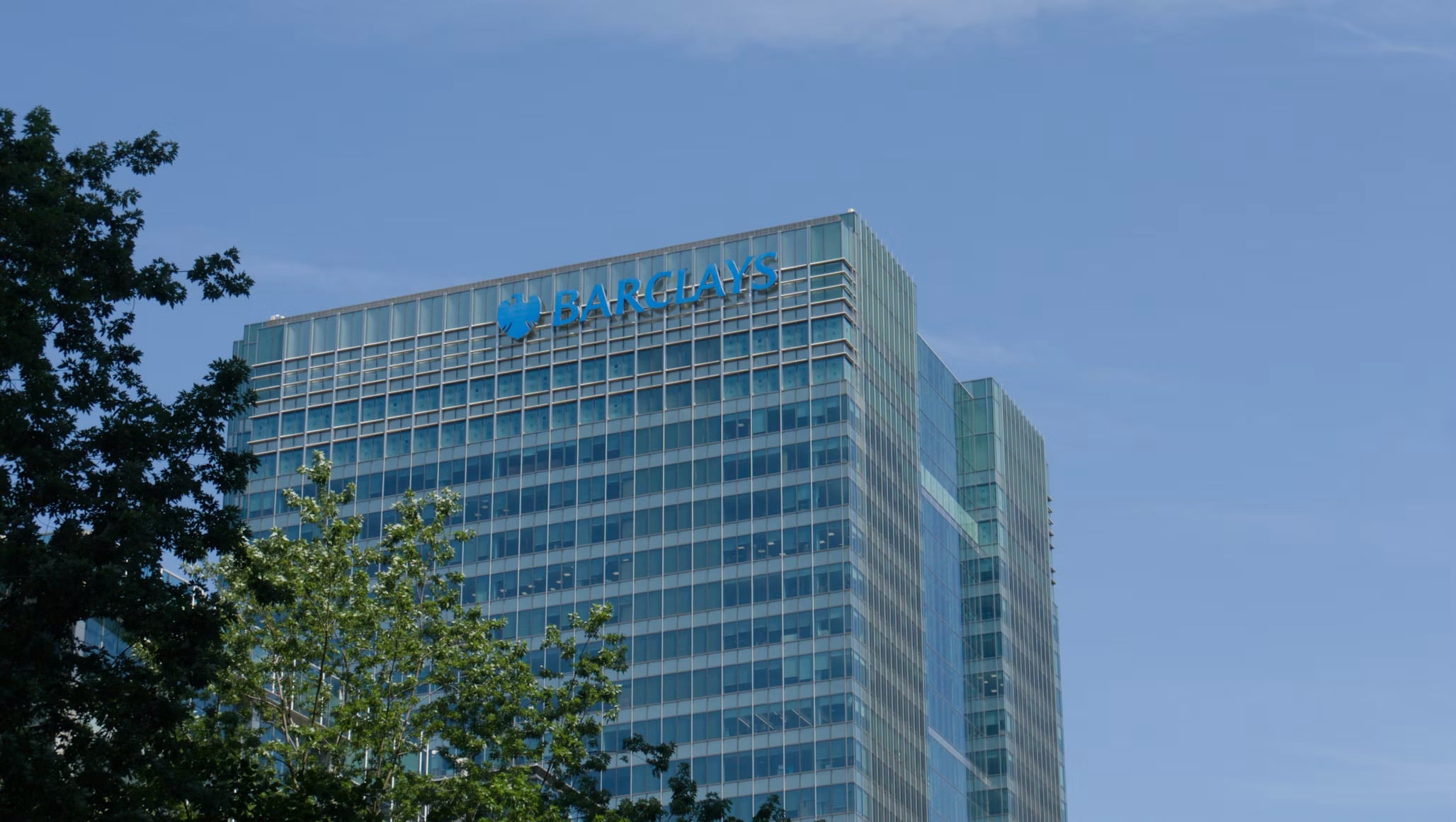
Barclays is offering up to £750 in cashback for customers who transfer an Isa to the bank and take out a life insurance policy — but the top reward is reserved for a narrow group of savers, and at smaller balances the offer may barely beat the best rates elsewhere.
Barclays has launched a new promotion offering up to £750 in cashback to customers who transfer an Isa to the bank and take out a life insurance policy. Regular and Premier current account holders can claim a minimum £50 reward for transferring an Isa worth at least £10,000, while the maximum £600 cashback is reserved for Premier customers moving £100,000 or more. A further £100 or £150 is available for taking out qualifying life insurance, depending on the policy and account type. The offer runs until 25 November, though the reward varies sharply depending on how much money is involved.
How the Isa cashback is tiered
The size of the reward depends on both the amount transferred and the type of current account held. For Isa transfers into a Barclays fixed-rate account, the bands are as follows:
- £10,000–£24,999: £50 for both regular and Premier current account customers
- £25,000–£49,999: £100 for both
- £50,000–£99,999: £200 for both
- £100,000 or more: £200 for regular customers, rising to £600 for Premier customers
The jump at the £100,000 mark is by far the steepest part of the scale. Someone transferring £99,999 would receive £200 in cashback, while a Premier customer transferring £100,000 could receive £600 — effectively £400 more cashback for £1 extra transferred. That said, savers should be wary of moving additional funds purely to cross the threshold if doing so doesn’t otherwise suit their Isa strategy.
The hoops customers need to jump through
Qualifying for either reward is not straightforward. Customers must hold a regular or Premier current account with Barclays, and the higher tiers of cashback are available only to Premier customers. Premier eligibility itself requires an annual income of at least £75,000, or total savings and investments with Barclays worth at least £100,000 — meaning the top £600 reward is realistically aimed at higher-income or higher-asset customers.
There are also restrictions on which Isa transfers qualify. Only transfers into a fixed-rate single-access Isa, or a Premier triple-access Isa, are eligible, and Barclays excludes transfers from its own existing Isas, as well as Lifetime Isas, Help to Buy Isas and Innovative Finance Isas held elsewhere. Customers also need to use the proper Isa transfer process rather than withdrawing funds and redepositing them, or they risk losing the tax advantages of their existing Isa or using up part of their annual allowance.
Does the cashback beat the best rate elsewhere?
Barclays currently pays 4.3% on its one-year fixed Isa. The best comparable one-year fixed rate on the market is 4.76%, offered by Tandem Bank, and the gap between the two rates matters more at some transfer amounts than others.
On a £10,000 transfer, Barclays would pay £430 in interest over a year compared with £476 elsewhere — a £46 shortfall that the £50 cashback only just offsets, leaving the customer roughly £4 better off overall. At £50,000, the maths turns against Barclays: £2,150 in interest against £2,380 elsewhere is a £230 gap, which the £200 cashback doesn’t fully cover, leaving the customer about £30 worse off despite the reward. Only at £100,000 does the offer become clearly worthwhile: £4,300 in interest against £4,760 elsewhere is a £460 shortfall, but the £600 Premier cashback would leave the customer roughly £140 ahead in the first year — provided a similarly competitive rate isn’t available elsewhere once the fixed term ends.
In other words, a bigger transfer doesn’t automatically mean a better deal. The size of the cashback band relative to the interest-rate gap is what determines whether the offer pays off.
Life insurance cashback carries different risks
The life insurance element of the promotion is harder to weigh up mathematically than the Isa transfer. Customers with a regular current account can earn £100 cashback by taking out a policy with a premium of at least £10 a month, while Premier customers can earn £150 with a premium of at least £12.50 a month (or £100 if the premium falls between £10 and £12.50). The qualifying products are Barclays Life Insurance and Barclays Mortgage Life Insurance, and customers must apply for cover and complete the purchase within six months.
A £100–£150 cashback payment is small compared with the potential cost of an unsuitable policy — a plan costing £20–£30 a month could add up to thousands of pounds over several years. Choosing a more expensive or less suitable policy purely to secure the cashback is likely to be a poor trade; cover should only be taken out if it’s genuinely needed and the policy itself is competitive.
Who the offer suits best
The promotion is also not an instant discount: cashback is paid only once the qualifying conditions have been met, with exact timing set out in Barclays’ promotional terms rather than paid immediately on sign-up.
The deal is likely to make most sense for someone who already holds, or qualifies for, a Barclays Premier account, already intends to transfer £100,000 or more, finds Barclays’ fixed-rate Isa suitable for their needs, doesn’t require access to the money during the fixed term, and independently wants appropriate life insurance cover. For that kind of customer, the £600 Isa cashback plus the potential £150 life insurance reward becomes a genuine bonus, rather than a reason to buy either product in the first place.
Bottom line
For a £10,000 transfer, the offer is only marginally worthwhile, since a higher rate elsewhere can all but cancel out the £50 cashback. At £50,000, Barclays can actually leave customers worse off despite the £200 reward. It’s only at £100,000 and above that the £600 cashback makes the deal considerably more competitive, assuming Barclays’ rate and terms otherwise suit the saver. As for the life insurance element, the general rule holds: don’t take out a policy for the cashback alone — only do so if the cover is genuinely needed and the policy is competitive in its own right. Savers comparing current-account incentives more broadly may also want to look at Nationwide’s recently doubled annual cashback on its FlexDirect account.
