



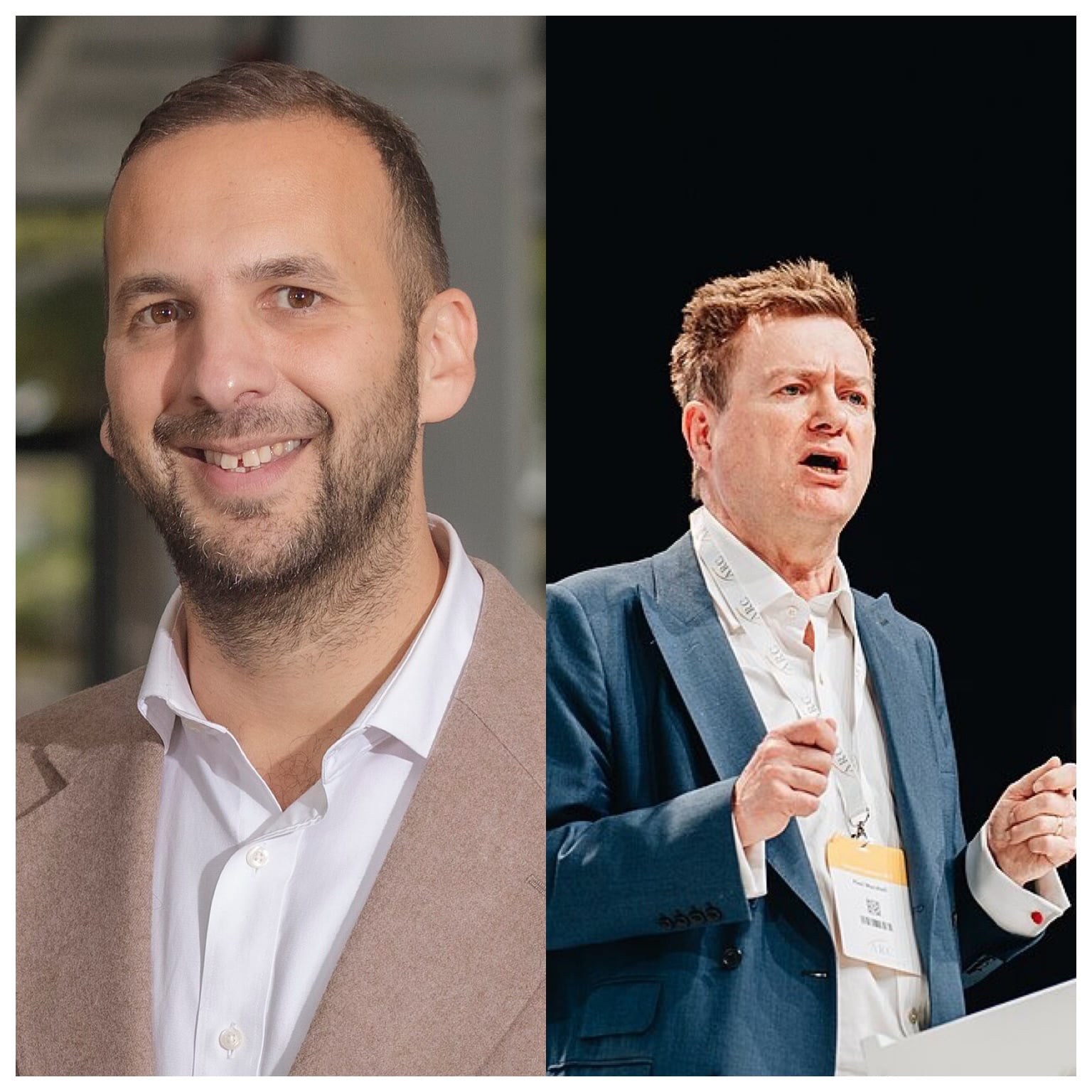
Green Party leader Zack Polanski has accused GB News co-owner Paul Marshall of tripling his hedge fund’s investments in fossil fuel companies to £2.1 billion, branding the broadcaster a “propaganda channel cashing in on destroying our future” in a post that has reignited scrutiny of the media mogul’s business interests.
Green Party leader Zack Polanski has accused Paul Marshall, co-owner of GB News, of significantly increasing his hedge fund’s exposure to fossil fuel companies, in a post shared on X. According to Polanski, Marshall’s investment firm tripled its holdings in oil and gas companies during the first quarter of 2026, taking the total to around £2.1 billion. “They’re a propaganda channel cashing in on destroying our future,” Polanski wrote, adding: “Always follow the money.” The claim draws on regulatory filings that campaigners say show the scale of Marshall’s fossil fuel holdings, and comes amid longstanding debate over the relationship between his business interests and his media outlets.
The investment claim
Marshall is co-founder and chairman of Marshall Wace, one of Europe’s largest hedge funds, managing more than $50 billion in assets. According to regulatory filings highlighted by campaigners, Marshall Wace substantially increased its holdings in fossil fuel companies during the first quarter of 2026, with the value of those investments reportedly rising to approximately £2.1 billion. The portfolio is said to include stakes in major oil and gas firms such as Shell, BP, ExxonMobil, Chevron and ConocoPhillips.
It is worth noting that hedge funds routinely adjust their holdings from one quarter to the next, meaning a single filing represents a snapshot at a particular point in time rather than necessarily reflecting a fixed, long-term investment strategy.
Marshall’s media empire and public views
Beyond his role at Marshall Wace, Marshall co-owns GB News and owns both UnHerd and The Spectator, giving him one of the largest media portfolios on the British political right. Despite this influence, his news businesses have collectively recorded substantial financial losses in recent years.
On energy and climate policy, Marshall has repeatedly argued that Britain will continue to need oil and gas throughout the energy transition, and that energy security should not be sacrificed for the sake of rapid decarbonisation. He has said climate policy should balance emissions reductions against economic growth, and has been critical of what he describes as ideological climate activism.
Marshall has also been vocal on other issues relating to his media holdings. He has previously described the BBC as “an embodiment of anti-competitive market distortion” and has called for it to be sold or broken up, arguing that public broadcasting crowds out competition. On Brexit, he has said: “Most people in Britain do not want to become part of a very large country called Europe.” He describes himself as a classical liberal and a supporter of free markets.
GB News and climate coverage
GB News has given airtime to critics of Net Zero policies and featured presenters who have questioned the pace and cost of climate measures, while frequently covering debates over windfall taxes, electric vehicle mandates and renewable energy subsidies. The channel has also interviewed climate scientists and government ministers, though critics argue it gives disproportionate exposure to voices sceptical of mainstream climate science.
GB News maintains that it operates with full editorial independence, and there is no evidence that Marshall’s personal investments directly influence the channel’s editorial decisions. Marshall himself has previously rejected suggestions that his investments dictate the channel’s coverage. Even so, media ownership and potential conflicts of interest have become an increasingly prominent topic in UK politics since Marshall’s acquisitions of GB News, UnHerd and The Spectator, with environmental campaigners and media critics previously accusing him of using his outlets to shape debate on climate policy while simultaneously holding significant fossil fuel investments, and of supporting organisations opposed to tougher environmental regulation.
Polanski’s policy position
Polanski, who leads the Green Party and sits on the London Assembly, has consistently called for higher windfall taxes on fossil fuel companies, arguing that oil and gas profits should help fund climate adaptation and wildfire prevention measures. He has also called for an end to new North Sea oil and gas licences and for the UK to rapidly expand renewable energy generation and home insulation programmes, positions that inform his criticism of Marshall’s investment portfolio and its perceived links to GB News’ editorial stance.
