



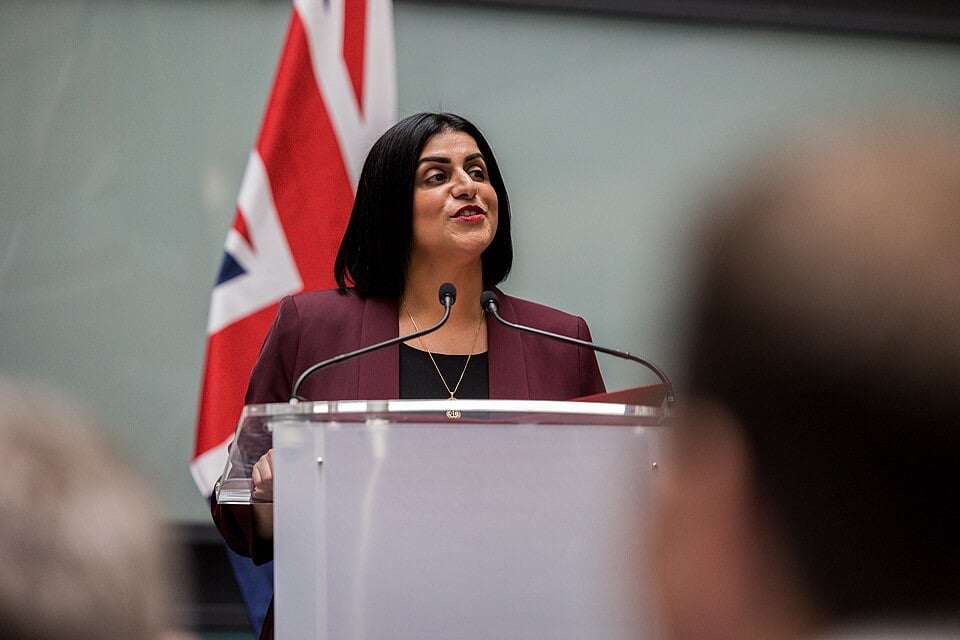
The Commons approved the Immigration and Asylum Bill by 294 votes to 94. Shadow home secretary Chris Philp called the defeat of his lifetime citizenship ban a “complete farce”.
MPs have voted down a Conservative amendment that would have permanently barred anyone who arrives in the UK illegally from claiming British citizenship. The proposal, tabled by shadow home secretary Chris Philp, was defeated by 382 votes to 102 as the Commons held the final reading of Home Secretary Shabana Mahmood’s Immigration and Asylum Bill on Tuesday. The Bill was approved by 294 votes to 94. Mr Philp said the outcome showed Labour was “putting illegal immigrants ahead of the British public”.
The Tory amendments
Mr Philp’s second amendment, which would have required migrants to wait ten years before gaining the right to remain in Britain, was rejected by 384 votes to 99, according to Hansard. A separate Liberal Democrat amendment tabled by Max Wilkinson, requiring the government to begin talks on joining the EU’s Migration and Asylum Pact, was defeated by 410 votes to 60.
The citizenship amendment, known as New Clause 50, went further than its headline suggests. Its wording covered registration routes used by children under the British Nationality Act 1981. It would also have restricted British overseas territories citizenship and British subject registration, as well as British citizenship. The ten-year clause, New Clause 54, covered several categories beyond people who entered illegally, among them skilled workers, health and care workers, Global Talent visa holders and family members of British citizens. It proposed an income test and restrictions on people who had relied on public support.
Mr Philp said: “The minimum British people would expect is that illegal immigrants who have broken into the country cannot get citizenship here. They have abused our borders and should never be rewarded for that. Sadly Labour do not agree.” He added: “This is a day of shame for Labour.”
He said that since Labour took office, 88,000 people had crossed the Channel illegally, that only about 6,000 had been removed and that over 90 per cent had been allowed to stay. These are his figures. He described the Bill as “a commendable attempt” that “makes some small steps in the right direction”. He said, though, that the UK would not control its borders “until we leave the European Convention on Human Rights and dismantle the legal system around illegal migration and foreign criminals”. “Tinkering at the edges doesn’t work,” he said.
Mahmood’s response
Ms Mahmood said the legislation would “restore order and control to our borders by bearing down on illegal entry and swiftly removing those with no right to be here”. She added: “This Bill restores control and fairness to our asylum system.”
The Daily Mail reported that Ms Mahmood had originally wanted some migrants to wait as long as 15 years for indefinite leave to remain, and that she scaled back her plans before the debate in the face of a backbench rebellion. Under the Bill as passed, care workers who entered the visa route before 12 May 2025 and remain in sponsored employment on at least £25,000 can keep a five-year route to settlement, according to the House of Commons Library. Care workers who do not meet those conditions could receive a five-year visa extension not tied to a single employer, Ms Mahmood has said.
Faster removals
The Bill also passed a government amendment, New Clause 10, which the Mail revealed would allow rejected asylum seekers to be deported within hours of failing their appeals. It ends the separate waiting period of at least five working days that currently follows the end of the appeal process. The Mail said many failed claimants use that window to lodge last-minute claims to delay removal.
Under the clause as written, the Home Office must normally still give written notice of intention to remove at least five working days before appeal rights are exhausted. It must also provide written departure details, including the destination and any transit countries, before removal. Immigration Minister Anna Turley told MPs that the change also applies to certain failed removals and judicial-review cases within a six-month window.
Ms Turley told the Commons the First-tier Tribunal’s immigration and asylum chamber had 156,000 outstanding cases in June 2026. She said the reforms would simplify appeals. They would remove the First-tier Tribunal’s power to grant permission to appeal to the Upper Tribunal, so applicants would apply to the Upper Tribunal directly.
Settlement rules still to come
The House of Commons Library says longer settlement rules are being developed separately from the Bill. The first new settlement rules are due to be published in December, with changes phased in during 2027, Ms Mahmood has told MPs. Proposals include a minimum annual earnings level of £12,571, an English-language requirement at B2 level from 26 March 2027, and faster routes of three or five years for higher earners. Those who breach immigration rules or continue to rely on certain public funds could face a 20-year route. The Library says refugee settlement periods could range from five to 30 years depending on protection category. These are policy proposals and not all are in force.
