



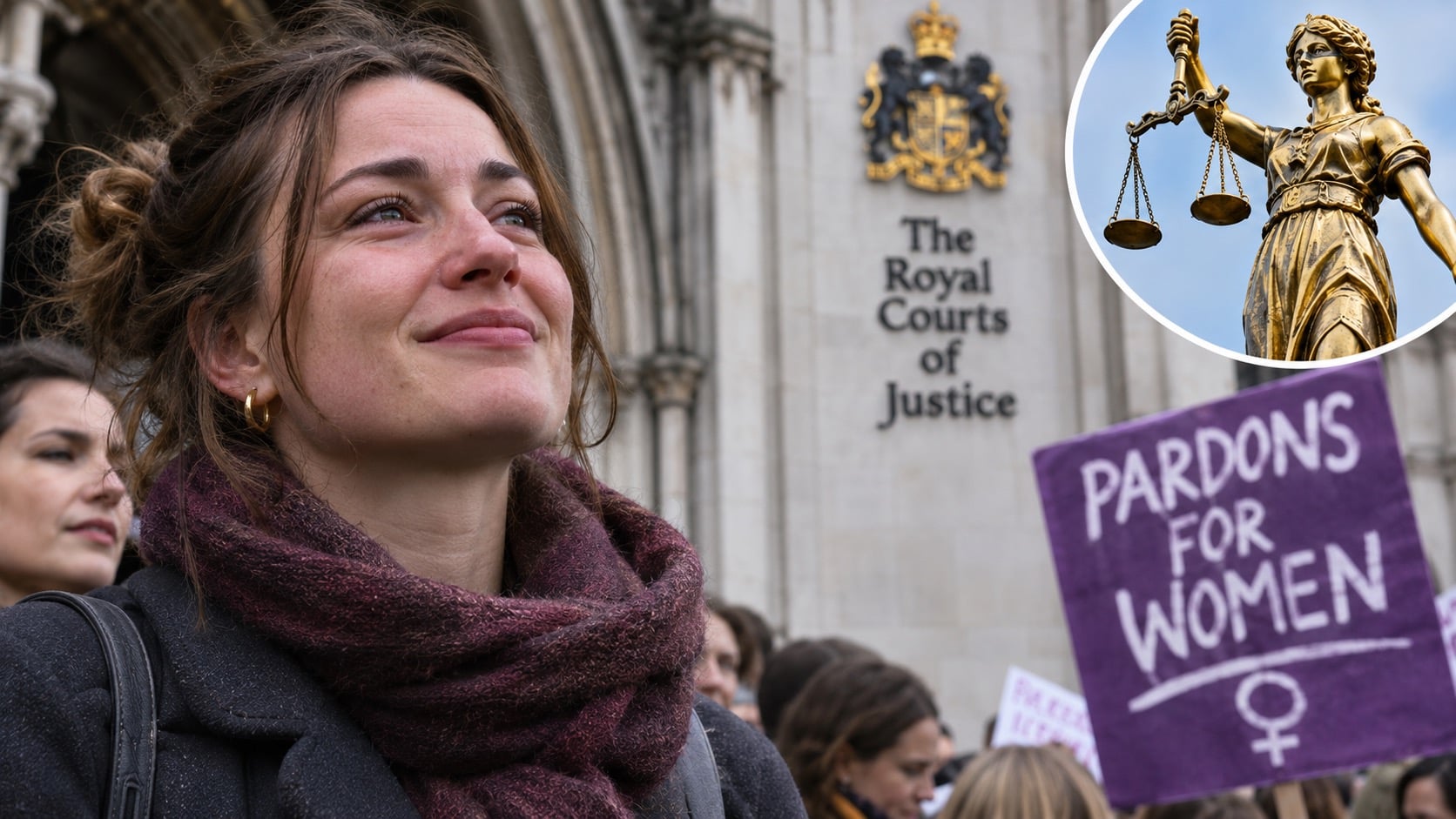
Automatic pardons took legal effect on Monday for women convicted over their own pregnancies. Police and courts have a one-month target to clear the records, and the government will not contact those affected.
Women in England and Wales who were convicted of offences linked to ending their own pregnancies were automatically pardoned on Monday 16 November. The pardons come under Section 242 of the Crime and Policing Act 2026. Police and courts are working to delete the relevant records within a month, a target that points to around 16 December. The Ministry of Justice published new guidance on how the process will work.
What is covered
The pardon applies to three historic offences:
| Legislation | Offence |
|---|---|
| Offences Against the Person Act 1861, Section 58 | Administering drugs or using instruments to procure an abortion |
| Offences Against the Person Act 1861, Section 59 | Procuring drugs or other substances to cause an abortion |
| Infant Life (Preservation) Act 1929, Section 1 | Child destruction |
Attempted offences are included, as long as the woman was acting in relation to her own pregnancy. The pardon extends to women who have died. It does not cover anyone prosecuted for involvement in another woman’s abortion.
Transgender men previously investigated or convicted over their own pregnancies qualify, according to the ministry’s frequently asked questions. Eligibility does not depend on whether they transitioned before or after the incident, and holding a Gender Recognition Certificate does not rule anyone out.
How the records will be cleared
The one-month deadline is an administrative target and not a guarantee. Older paper records may take longer, because historic files can be hard to find, particularly where they have not been digitised. Court records cannot always be physically deleted. Instead, officials must annotate them so the information is treated as though it had been removed.
Police will also review fingerprints, DNA samples and custody photographs taken during abortion investigations, to decide whether there is still a lawful reason to keep them. They may be kept if the same material is lawfully held in connection with another offence. A woman whose record was missed can ask for a further search.
The ministry has set up a dedicated team. Women can ask for confirmation that their records were found and dealt with by emailing Section242@Justice.gov.uk with their name and date of birth, and may be asked for further identity checks. The relatives of a woman who has died may request information, but may be asked for evidence of their entitlement.
No letters to those pardoned
Police and the ministry have decided not to contact women to tell them they have been pardoned. Officials say this is to avoid causing further distress or revealing a private investigation to family members. Women who want confirmation must make their own enquiries.
Effects on jobs and visas
The Royal College of Obstetricians and Gynaecologists (RCOG) said on 16 November that police records of abortion investigations could previously have appeared on enhanced Disclosure and Barring Service checks for jobs in teaching, healthcare and caring, even when no one had been charged. RCOG president Dr Alison Wright welcomed the removal of historical convictions, and consultant gynaecologist Dr Jonathan Lord described the lasting effects of investigations that followed pregnancy loss. The government says deleted information will no longer appear on DBS checks, including investigations and arrests that did not lead to charges. Anyone completing overseas visa forms that ask whether they have ever been arrested is advised to seek clarification or independent legal advice.
The wider law
Justice minister Alex Davies-Jones signed regulations on 15 October setting 16 November as the start date, numbered 2026/1090. In a letter to the House of Lords Justice and Home Affairs Committee on 19 October, she said preparations were under way and that police and HM Courts and Tribunals Service would begin removing details on the commencement date. She also confirmed that the government remained neutral on changes to criminal abortion law during Parliament’s consideration of the legislation, and that the decision to introduce automatic pardons followed the parliamentary vote.
Criminal liability for women ending their own pregnancies in England and Wales was removed on 29 April 2026, while the historic pardons and record deletion began on 16 November. The Abortion Act 1967 remains the framework for lawful abortion services. Doctors and others who provide abortions can still be prosecuted if they act outside the legal requirements.
