



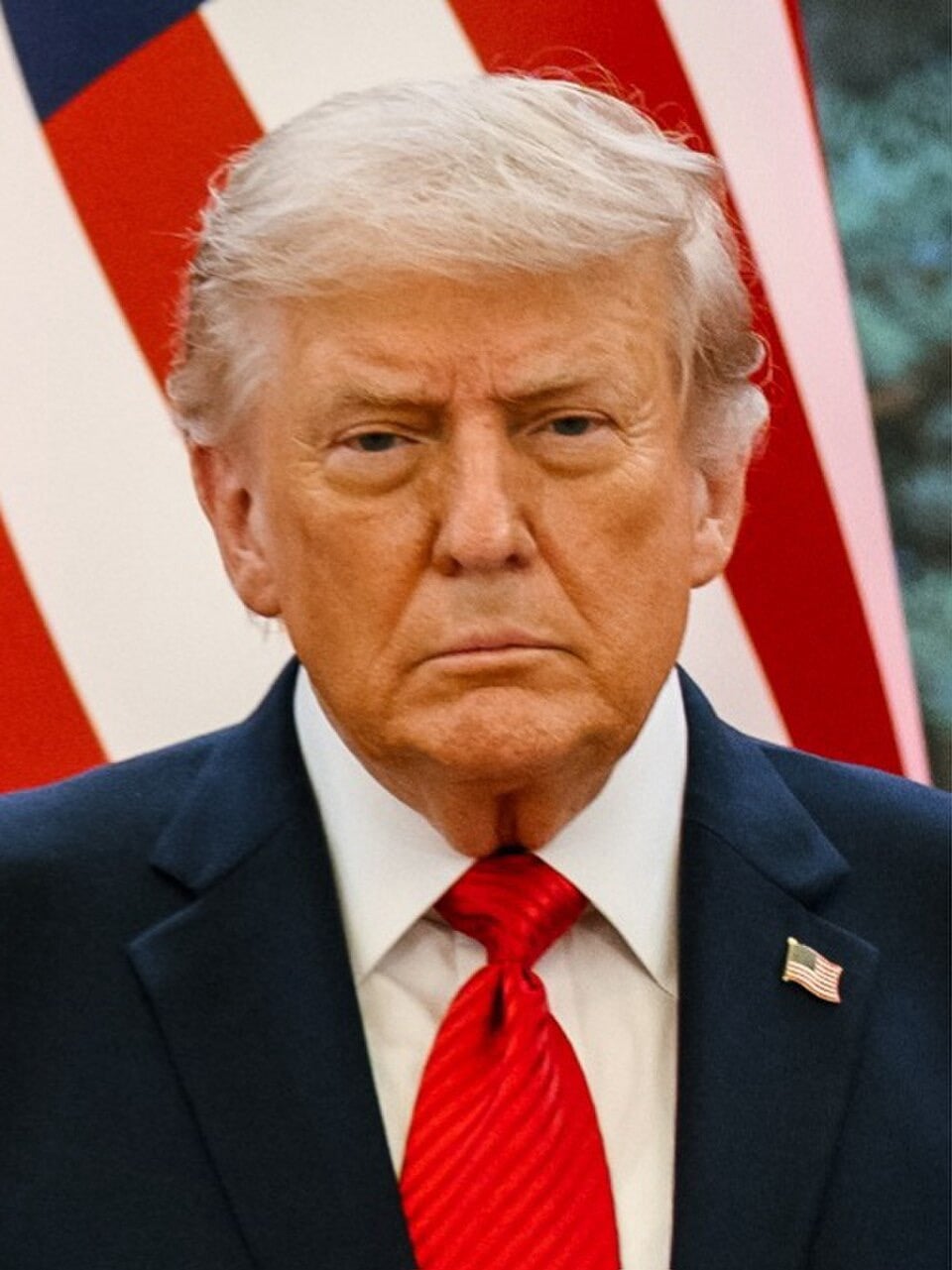
President Trump has threatened to leave Todd Blanche in place as Acting Attorney General indefinitely and revive a controversial $1.8 billion fund, after Republican Senators John Cornyn and Thom Tillis refused to back his confirmation.
President Donald Trump has unveiled a plan to keep Todd Blanche serving as Acting Attorney General for as long as necessary, in an apparent attempt to pressure two Republican senators standing in the way of his confirmation. In a post on Truth Social on Saturday morning, Trump warned Senators Thom Tillis of North Carolina and John Cornyn of Texas that he would push ahead with reviving a contested $1.8 billion “Anti-Weaponization Fund” if they continued to withhold their support for Blanche’s nomination.
A stalled confirmation
Blanche has been serving as Acting Attorney General since April 2026, after Trump removed his previous attorney general, with US law permitting officials to serve in an acting capacity while their formal nominations remain pending. His confirmation has since become one of the most contentious of Trump’s second term, largely because of the proposed $1.8 billion fund, which is linked to a settlement reached in Trump’s lawsuit against the Internal Revenue Service. Cornyn and Tillis have said they will not support Blanche’s nomination unless the Justice Department provides written confirmation that the fund will never be implemented. Blanche has repeatedly told lawmakers that the fund is “dead” and that the department has no plans to move forward with it, but has stopped short of giving the senators the written guarantee they are demanding.
Trump’s ultimatum
In his Truth Social post, Trump suggested that Cornyn and Tillis were motivated in part by resentment over his refusal to endorse them, noting that one had lost his own race while the other had opted not to seek re-election. He said that if the two senators continued to block Blanche’s confirmation, he would keep him in the Acting Attorney General role and push hard to bring the Anti-Weaponization Fund back into play. Describing the purpose of the fund, Trump said it “takes care of those who have been so badly treated” during the administrations of Democratic presidents Barack Obama and Joe Biden. He went on to praise Blanche as a steady influence within the department, and pledged that the fund would return to consideration immediately, promising to see it through.
What the fund would do
The proposed Anti-Weaponization Fund stems from the settlement of Trump’s lawsuit against the IRS and would, according to Trump, compensate individuals he believes were unfairly targeted through what he describes as the political “weaponization” of government during the Obama and Biden years. Critics of the plan have characterised it instead as a potential political slush fund, warning it could be used to reward individuals Trump considers to have been mistreated by previous administrations. The fund has also drawn scrutiny because it would reportedly grant Trump and members of his family immunity from tax audits.
A rare split within the Republican Party
The standoff has exposed an unusual rift within the Republican Party, with two senior GOP senators publicly resisting one of Trump’s most significant Cabinet nominations. It marks one of the first major instances in Trump’s second term in which Republican senators have openly pushed back against a key administration appointment, highlighting broader tensions within the party over the direction of the Justice Department. The Senate Judiciary Committee is expected to hold a vote on Blanche’s nomination, though the outcome remains uncertain unless the impasse with Cornyn and Tillis is resolved. Trump has suggested he could simply wait out the dispute, renominating Blanche once Cornyn and Tillis have left the Senate.
An apparent reversal
Trump’s latest comments mark a notable shift from his position just a day earlier, when he had himself described the fund as “dead.” The renewed push to revive it, paired with the threat to keep Blanche in an acting capacity indefinitely, underscores how central the fund has become to the broader standoff over the Attorney General’s confirmation.
