



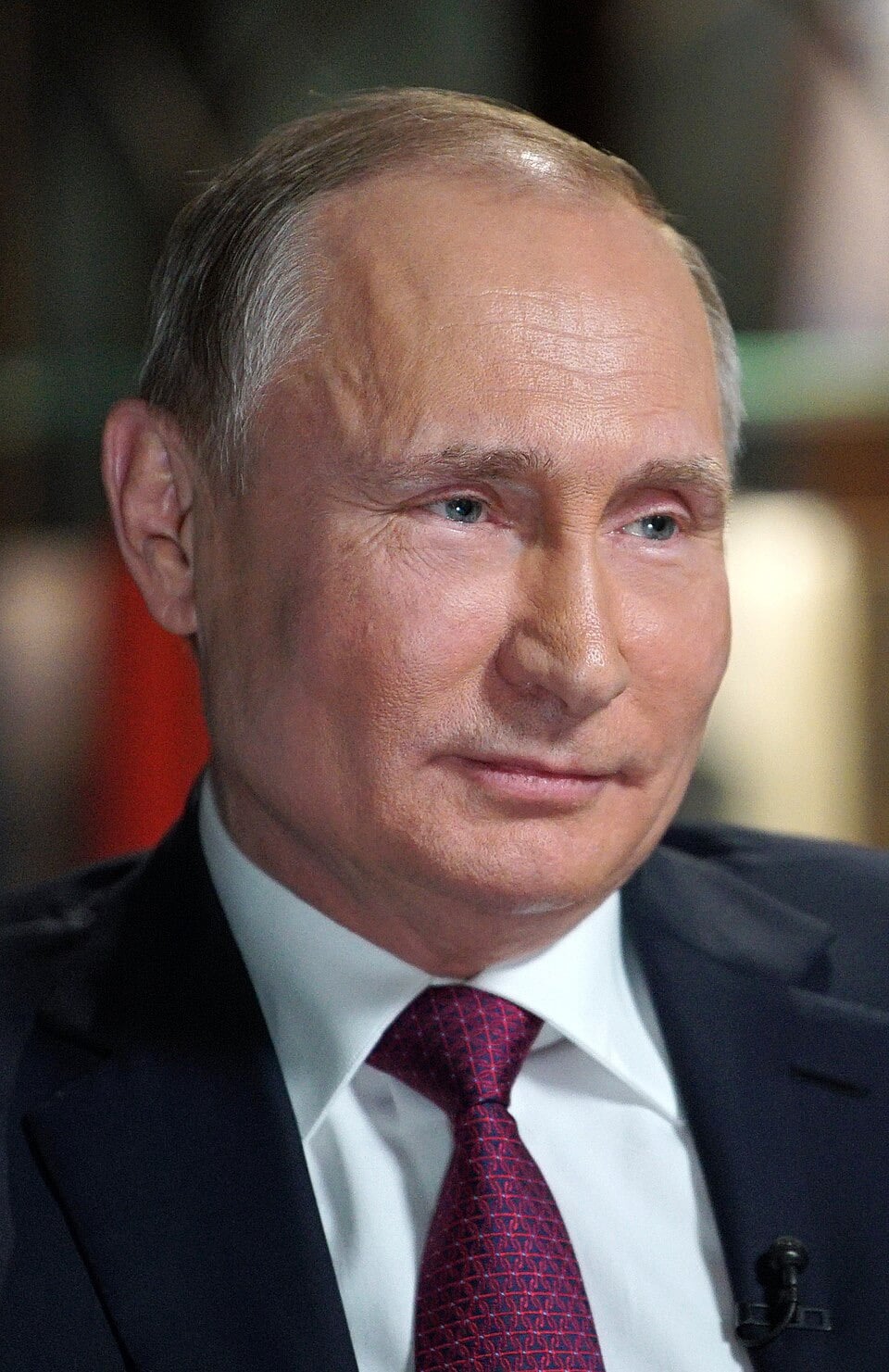
Sir Ken McCallum says Russian trolls did “attempt” to meddle in the 2016 referendum, but that the key question is what those efforts actually achieved.
The head of MI5, Sir Ken McCallum, has warned that reopening the row over Russian interference in the 2016 EU referendum will please Vladimir Putin’s propagandists. He said Russian trolls did “attempt” to meddle in the vote, but that it was “important to focus on the difference between what may have been attempted and what actually resulted”. His comments came during MI5’s annual threat update at Thames House, and they have added to the pressure on Prime Minister Andy Burnham. Sir Ken said Moscow would be “delighted” that the issue was once again dominating the agenda.
What McCallum said
Sir Ken identified two methods of attempted Russian influence. One was the strongly pro-Brexit coverage of the referendum by the Russian state-backed broadcasters RT and Sputnik. The other was the use of online troll accounts to shape political discussion. He characterised these efforts as comparatively unimpressive rather than sophisticated operations capable of changing the result. He did not release any new intelligence showing that Russian activity changed voters’ decisions.
According to the Guardian, he also said he strongly agreed with Mr Burnham that Russia attempted to interfere. His disagreement was over the significance attached to those attempts, and the risk of exaggerating their impact. The MI5 chief’s warning about propaganda was aimed at the consequences of amplifying the controversy. It does not amount to a rejection of the prime minister’s central claim.
Where the row began
Mr Burnham said in a podcast interview that it was “clear” there had been Russian interference in the referendum. He later told MPs he had not been questioning the legitimacy of the vote. Downing Street said the prime minister believed Russian interference had been attempted, but did not claim it changed the result. The dispute is therefore about how to describe the attempts and what they mean, and the Government has announced no effort to overturn Brexit.
What the 2020 report found
The Intelligence and Security Committee published its Russia report on 21 July 2020. It examined Russian hostile-state activity, including influence operations and disinformation, and criticised the limited attention paid by British intelligence agencies to possible interference in the referendum. It found that the Government had not sought a retrospective assessment of any Russian interference in the Brexit vote. It did not conclude that Russia changed the result.
The report treated Russian influence operations as a wider national security concern. It noted evidence of attempted interference in other democratic processes, including the 2014 Scottish independence referendum. The committee said it had not itself investigated whether the referendum result was affected, taking the view that the intelligence agencies were better placed to do so. The absence of a definitive assessment is not evidence that interference succeeded.
The EU summit
Mr Burnham is preparing for a UK-EU summit in Brussels on 20 November. Talks are expected to cover trade, energy co-operation, food and agricultural arrangements, immigration and youth mobility. He has argued for closer co-operation with European countries, including on security, and has acknowledged what he sees as the economic damage caused by Brexit. His comments on Russian interference have become part of the wider argument over Britain’s relationship with the EU.
Wider warnings from MI5
In the same speech, Sir Ken described Russia as a leading hostile-state threat. He said MI5 is devoting more resources to countering hostile states than it did during the Cold War. He warned that Russia continues to use covert operations and criminal intermediaries to pursue its aims. He also described growing threats from Iran, including alleged operations targeting military facilities and other sensitive sites. MI5 has set up a new centre to assess national security threats arising from artificial intelligence.
