



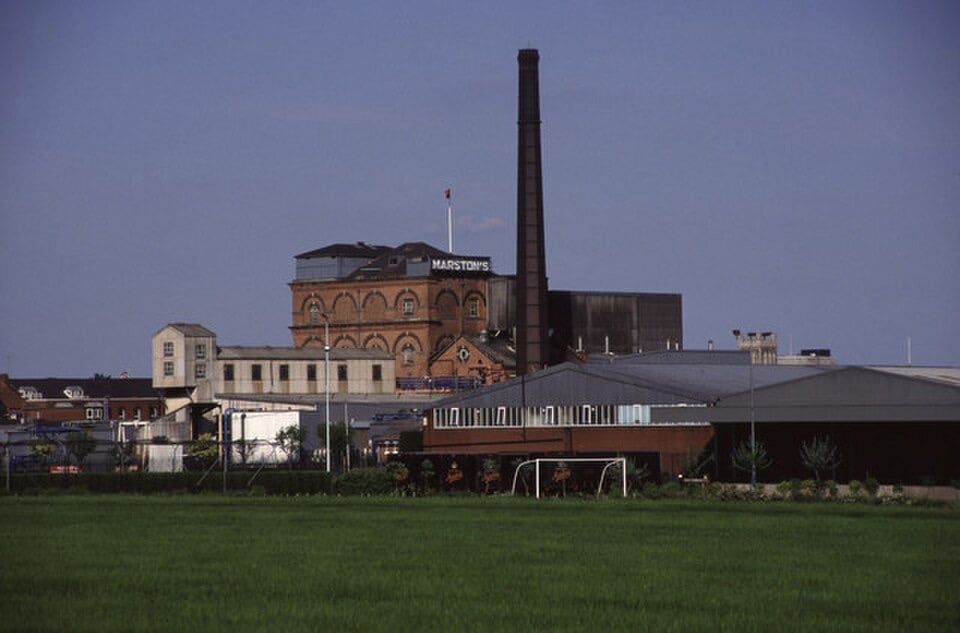
Carlsberg Britvic has proposed shutting the nearly 200-year-old site next summer, blaming a steep fall in cask ale sales, while the Campaign for Real Ale has called the plan “an absolute disgrace”.
Carlsberg Britvic has announced proposals to close Marston’s Brewery in Burton upon Trent, along with its primary logistics operation on the same site, putting about 310 jobs at risk. The closure is pencilled in for summer 2027 but is not yet final. The company cited “structural category decline and a need to create greater long-term value”. The brewery was established in 1834.
The company’s case
In a statement issued on Thursday, Carlsberg Britvic said the “stark reality” was that people were drinking less cask ale and that the trend looked set to continue. Its chief executive, Mr Davis, said: “I am very aware that this news will have come as a shock for colleagues, as I recognise the impact of this proposal is significant.”
He added: “While we remain proud of the role we have played in supporting and investing in the ale category overall, the stark reality is that UK cask ale volumes have more than halved in less than a decade, and this trend looks set to continue across the UK.”
Mr Davis described the brewery’s history in Burton as “iconic” and said its teams were “true experts in ale”. He said the proposal was “by no means a reflection on any of our people” and that “every effort will be made to help them through this period of uncertainty”.
The brewery and the main logistics operation are expected to keep running during the transition while the company works through a consultation with employees. Mr Davis said further information would be shared with the industry as decisions were taken, “but always with our colleagues first”.
Carlsberg had earlier acquired Marston’s PLC’s remaining 40% shareholding in CMBC, giving it full ownership of the brewing business.
Camra’s response
Ash Corbett-Collins, chairman of the Campaign for Real Ale (Camra), said he was born and raised in Burton and was proud of the town’s place at the centre of British brewing. He said Carlsberg’s statements about understanding the brewery’s importance to the town came “far too little too late for most people, CAMRA included”.
“This announcement is an absolute disgrace, and the latest in a string of actions that show how little they care about our brewing heritage or the nation’s drinkers,” he said.
He said Camra did agree with Carlsberg on one point: that the time was right to consider independent brewers willing to become custodians of its cask brands and “finally do the beers the justice they deserve”. Citing the rescue of Jennings in Cumbria by what he called passionate and experienced brewers, he said he hoped the Burton brewery could also be saved. He added that he might be able to visit again “if it’s handed over to independent owners”.
Camra has also called for closer scrutiny of consolidation in the British beer industry. It argues that growing concentration among large brewing companies could threaten regional breweries and beer diversity. Staffordshire authorities have urged Carlsberg to explore alternatives that would keep a brewing operation in Burton.
What happens to the beers
Carlsberg Britvic said certain “priority” ale brands, including Hobgoblin, McEwan’s and Brooklyn, would remain in its portfolio, although it did not say where they would be brewed. The company has indicated it will explore options for some regional and cask ale brands, and some could potentially be sold to independent brewers, but no buyers have been confirmed.
The proposal does not affect Marston’s pubs. Only the Burton brewery and its main logistics operation are involved.
Background
The business was founded by John Marston in 1834, and the current Burton site dates from 1898. The proposed closure follows Carlsberg’s shutdown of Banks’s Brewery in Wolverhampton in 2025. Carlsberg had previously announced more than £6m of investment in the Burton site and presented it as an important centre for traditional ale and craft brewing.
