



At least 12 people have died and five remain missing after a huge avalanche struck a group conducting mountain training in Russia’s North Caucasus, with reports suggesting members of Vladimir Putin’s elite Vityaz special forces were among the victims, though this claim remains unconfirmed by official sources.
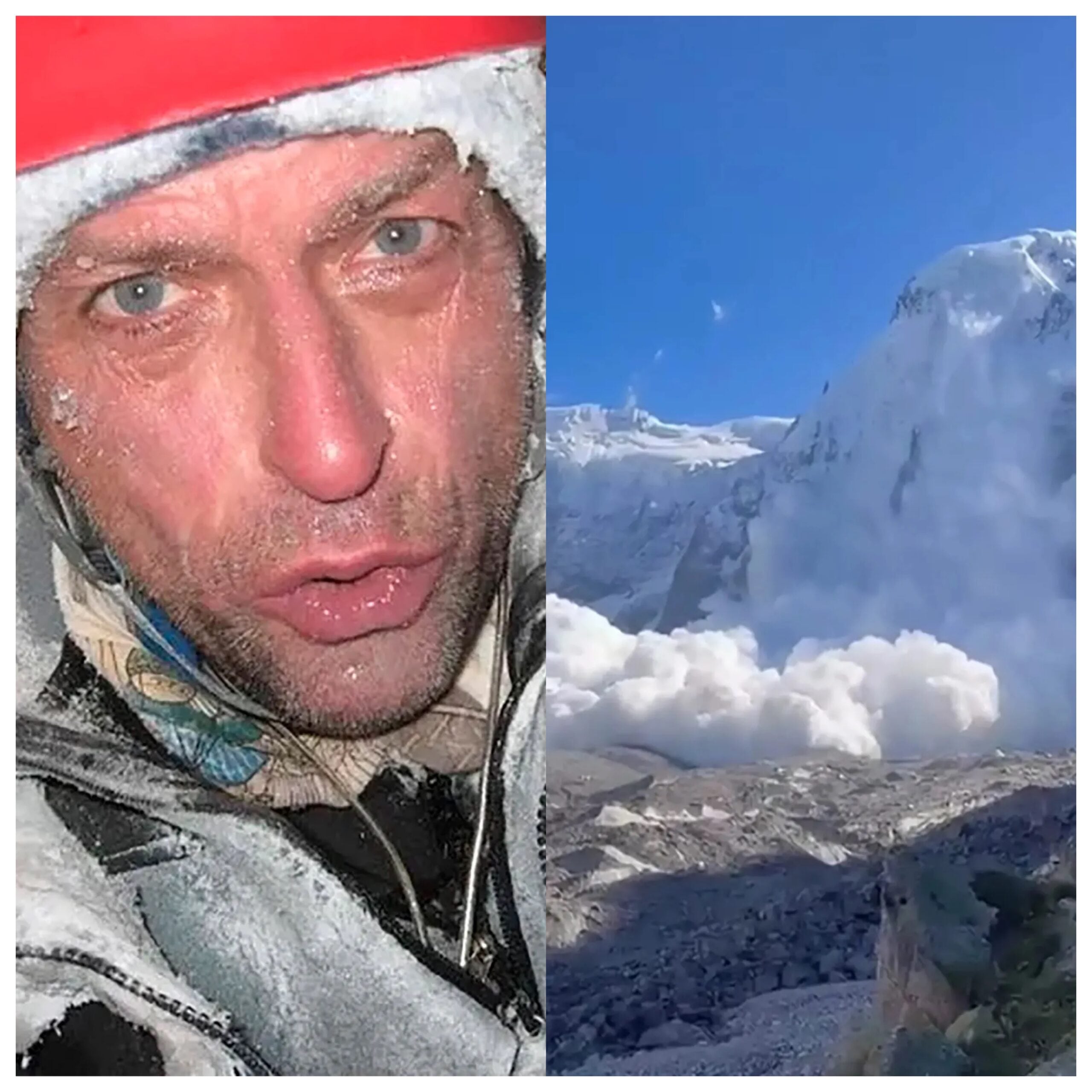
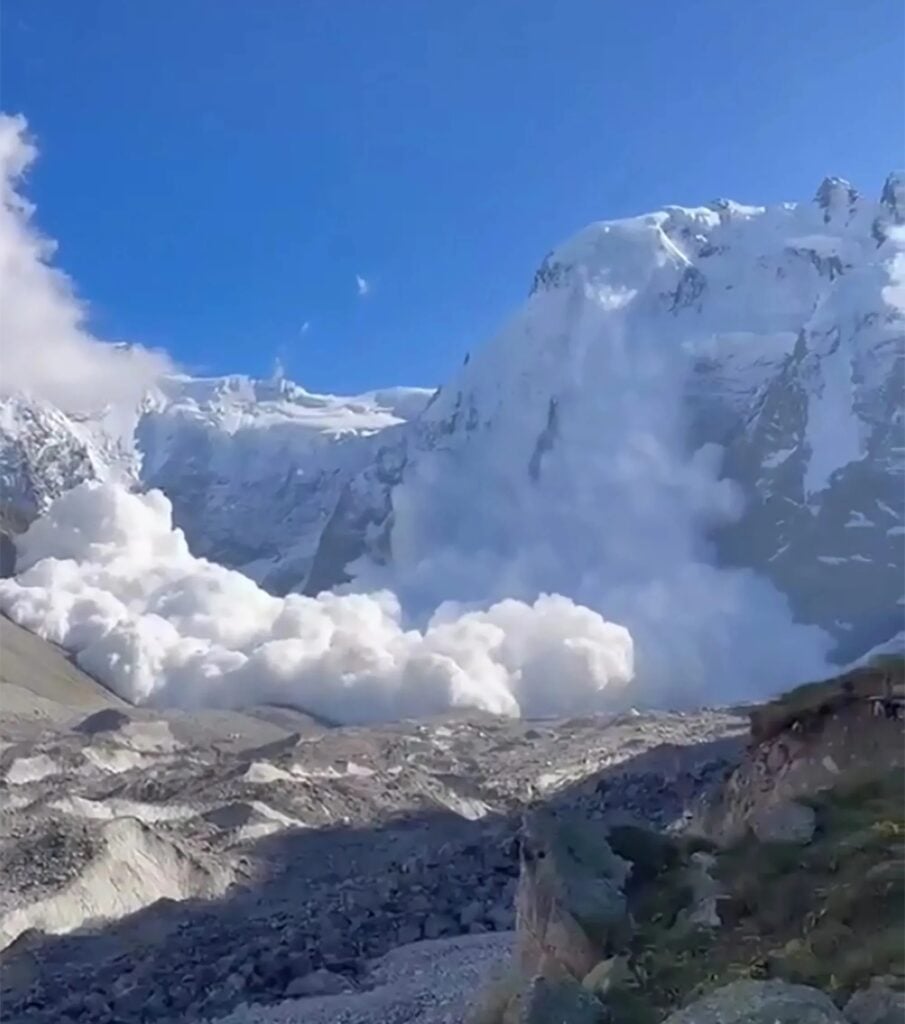
Members of Vladimir Putin’s special forces were reportedly among those killed after a huge avalanche struck climbers during a mountain training exercise in Russia’s North Caucasus. The avalanche hit Mount Mizhirgi, which stands at 16,465ft, at around 5pm on Sunday, thundering roughly 3,000ft down the mountainside and completely engulfing climbers in the Bezengi Gorge. Russian emergency services confirmed on 8 September that the death toll had risen to 12, after rescuers recovered another climber’s body from the mountain, with five people still missing.
The scale of the disaster
According to the latest official breakdown, the original group of 33 mountaineers now comprises 12 confirmed dead, five missing, six injured, and ten who managed to descend the mountain independently. Another Russian National Guard member is reported to be in a coma following the avalanche. News outlet Baza described the disaster near the Russia-Georgia border as Russia’s “deadliest mountaineering disaster.”
Dramatic footage of the avalanche showed a terrifying wall of snow and rocks crashing down the peak, with huge clouds of snow propelled into the air as the slide swept through the training area.
Questions over the Vityaz claim
Widely circulated reports have described those killed as members of Putin’s elite Vityaz Special Purpose troops, a unit that falls under the direct control of the Russian National Guard rather than the Kremlin’s defence or interior ministries, and has previously been described as the dictator’s “private army.” However, this specific identification remains less certain than initial headlines suggested.
Russian reporting currently attributes the claim that the group consisted of Vityaz personnel to Telegram channels and unnamed sources, rather than official confirmation from the Russian National Guard itself. While one Russian report states 12 deaths have been officially confirmed, Telegram channels have separately claimed as many as 13 Vityaz personnel were killed, a discrepancy that has not been resolved. Official emergency-service statements have focused on the 33-person mountaineering group, the resulting casualties, and the rescue operation, without publicly confirming that all victims were Vityaz personnel.
A different account from mountaineering officials
Russian mountaineering authorities have offered a somewhat different description of the group than initial reports suggesting they were simply elite troops conducting an ice drill. Alexander Yakovenko of the Russian Mountaineering Federation said the group was instead conducting planned training sessions for representatives of Russia’s security services, describing the participants as experienced specialists rather than inexperienced climbers. According to Yakovenko, the exercises involved technical training on icy mountain terrain, including movement techniques and rope and belay organisation.
Yakovenko also said the avalanche began considerably higher up the mountain and some distance away from where the training itself was taking place, rather than collapsing directly onto the training site.
Death of veteran instructor Albert Izotov
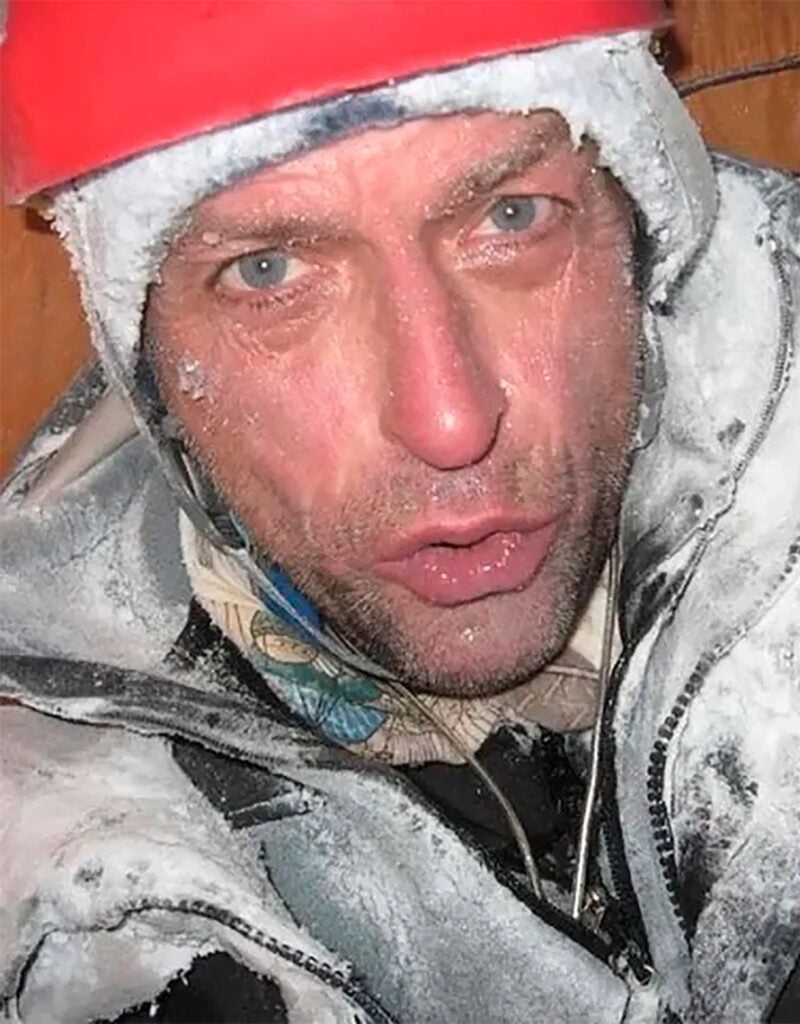
Among those killed was well-known mountaineering instructor Albert Izotov, 70, previously reported as a regular trainer of Russian troops at altitude. However, the Russian Mountaineering Federation has since clarified that Izotov was a civilian instructor, rather than a member of the security forces. Izotov was a member of the St Petersburg regional mountaineering federation, and was taking part in the exercise as a civilian instructor assisting with training sessions involving the security personnel. The federation described him as an experienced mountaineer, and his death has been confirmed independently of the broader, less certain reports concerning the identities of the special forces personnel involved.
Rescue operation and ongoing danger
More than 50 emergency workers were initially deployed in a large-scale search and rescue operation, using Mi-8 helicopters to scour the snowy peak for survivors amid growing fears for the five climbers still missing. The operation has repeatedly been disrupted by further collapses of snow and ice from the mountain, including a fresh collapse from a mountain cornice on the morning of 8 September, though no additional casualties were reported from that incident.
Rescue efforts were previously suspended entirely after another snow-and-ice collapse from Mizhirgi, with poor weather and the continued risk of further avalanches preventing the full rescue contingent from being deployed. As conditions have allowed, 12 rescuers from Russia’s Emergency Situations Ministry have been transported to the mountain to continue the search, with a further 46 personnel placed on standby at the Bezengi mountaineering camp, ready to assist once conditions permit. An Mi-8 emergency services helicopter has also been brought into the operation to survey the mountain and transport rescue specialists as needed.
Official response
Authorities have declared a municipal state of emergency in the Cherek district of Kabardino-Balkaria, where the Bezengi Gorge is located. Separately, Russian investigators have opened a criminal case alleging negligence in connection with the deaths, examining the circumstances surrounding the training expedition and how the group’s activities were organised. The regional prosecutor’s office is also overseeing the wider investigation into the circumstances of the deaths.
The exact cause of the avalanche remains unknown, though one theory suggests a hanging glacier in the area may have partially collapsed, triggering the slide.
Where the disaster took place
The Bezengi Gorge stretches nine miles along the Russia-Georgia border. Mount Mizhirgi, located in the republic of Kabardino-Balkaria, is one of the highest peaks in Russia’s North Caucasus region, and lies close to Mount Elbrus, Europe’s highest peak, which stands at 18,510ft.
