



Aviation website AirLive says the crew alerted ground teams before landing. No virus has been confirmed, and the reported landing time conflicts with flight-tracking records.
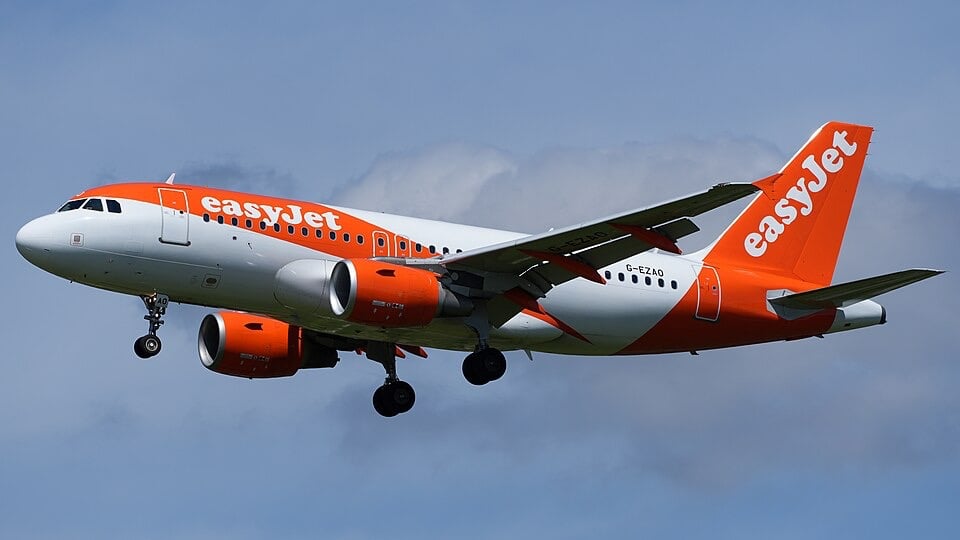
At least eight passengers on an easyJet flight to Glasgow were reportedly struck by severe vomiting in mid-air, in what is suspected to be an outbreak of norovirus. AirLive reports that the Airbus A320neo, flight U23116, left Sharm el-Sheikh late on Wednesday evening on an overnight route to Scotland. Pilots reportedly told operational command that at least eight people were suffering acute nausea and sickness at the same time. The cause has not been confirmed.
What was reported
Norovirus causes acute gastroenteritis and can spread quickly in enclosed spaces such as aircraft cabins, often triggering sudden vomiting and watery diarrhoea. The flight crew reportedly alerted operational command to arrange ground assistance while staying on course for the UK. AirLive says the aircraft landed safely on Runway 23 at Glasgow Airport at about 2.45am BST, where pre-briefed medical staff and airfield teams met it to treat those affected.
The research notes could not verify laboratory confirmation of norovirus, a statement from easyJet on the cause, any hospital admissions, or an outbreak declaration from Glasgow Airport or Scottish public health authorities. Nothing links the illness to food served on board or to a particular hotel. The figure of eight appears to come from the crew’s original report and not from a verified medical count.
Questions over the timings
AirLive identifies the aircraft as G-UZEG. Flightradar24 records match the flight number, aircraft and route, but differ on the timings:
| Detail | AirLive | Flightradar24 |
|---|---|---|
| Departure | Late Wednesday | 20:08 UTC on 21 October |
| Arrival at Glasgow | About 02:45 BST | 01:38 BST on 22 October |
| Journey time | Not given | About 5 hours 31 minutes |
That is a gap of 67 minutes on the landing time, and the report does not explain it. AirLive’s report is dated 28 October but describes the illness as occurring in the early hours of Thursday 22 October, almost a week earlier. Herdem Aviation and HavaHaber repeated the 22 October date in reports published on 28 October. No reason for the delay has been found.
Flightradar24’s history shows that G-UZEG flew U23116 again on 24 October, landing at Glasgow at about 03:25 BST. That shows the aircraft returned to service, but not whether it was additionally disinfected, whether passengers were assessed, or whether the airline investigated an outbreak.
Why the cause is uncertain
NHS Scotland’s infection-control guidance says norovirus normally has an incubation period of 12 to 48 hours. People who fall ill during one flight may therefore have been exposed before boarding, for instance at a hotel, restaurant, airport or other shared place. Food-borne illness could also affect several passengers at once. There is no evidence identifying where the passengers became ill, or showing that one person infected the others on the aircraft.
Norovirus is highly infectious and spreads through contaminated surfaces, food or bodily fluids. NHS inform advises washing hands with soap and water, cleaning contaminated surfaces and staying away from work or school until at least 48 hours after symptoms stop. Alcohol-based hand sanitiser is less effective against it, and vulnerable patients can become seriously dehydrated. These are general medical facts and not evidence that the Glasgow passengers had norovirus.
