



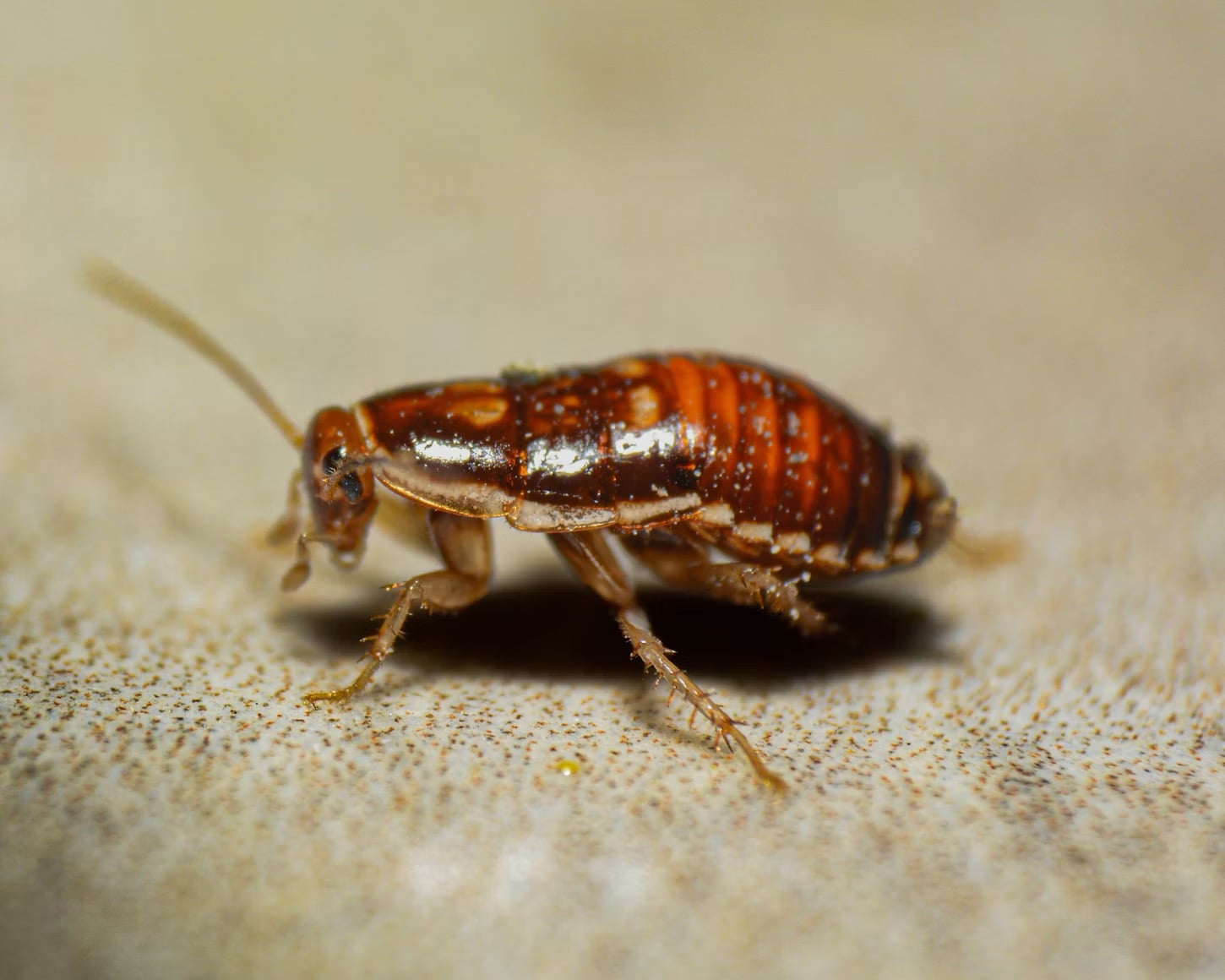
Ministry of Justice figures show cells closed for infestations, damp, asbestos, toxic gas and fire safety work. The government says it does not know how many cells have been shut because of bedbugs.
Bedbugs are among the reasons nearly 3,800 prison places across England and Wales are out of use, adding pressure to an overcrowded system. The Ministry of Justice (MoJ) says cells are being closed for infestations, damp, mould, asbestos, toxic gas and lengthy fire safety repairs. Two places at HMP Wayland, near Thetford in Norfolk, were unavailable because of bedbugs on 19 October. The figures were given by prisons minister Catherine McKinnell in a written parliamentary answer to shadow justice secretary Nick Timothy. Thousands of offenders are being released early to ease the strain on jails.
Why places are out of use
The closure at Wayland comes three months after an outbreak of the parasites at the jail over the summer. The latest figures show the wider problems of an ageing prison estate:
- Fire safety: 2,255 cells are unavailable while advanced automatic alarms are installed. The programme was due to finish in 2027 but has been pushed back to the 2030s.
- Dartmoor: 640 places remain closed after toxic radon gas, which can cause cancer, was detected.
- Damp, mould and leaks: 236 places.
- Prisoner damage: 162 places, including 120 at Highpoint near Newmarket in Suffolk after arson.
- Electrical work: 66 places.
- Asbestos: 60 places.
- Legionella: 20 cells.
In July, a recently released prisoner told Inside Time, the newspaper for prisoners, that he had been “detained in a cell infested by bedbugs”. The Prison Service said at the time there had been a “limited outbreak of bedbugs, which affected four cells and was dealt with quickly and appropriately”. Specialist teams were also called in to deal with an infestation at HMP Holme House in Stockton-on-Tees, where at least three cells were reportedly affected. Bedbugs are notoriously hard to eradicate because they hide in small spaces, reproduce quickly and can develop resistance to pesticides. They can also survive for months without feeding, so they can persist even in empty rooms.
What ministers do not know
According to the research notes, Ms McKinnell told Parliament on 20 October that the MoJ does not centrally record every cell taken out of use for bedbug treatment. Prisons can close individual cells temporarily without reducing their declared capacity, and record this locally. Gathering the information from every prison would cost a disproportionate amount, she said. The two places at Wayland are therefore not necessarily the national total, and the official figure may understate the disruption.
The notes also say there is no single date for reopening all affected accommodation. In a separate answer on 13 October, the minister said assessments were continuing at Dartmoor and Highpoint, with no fixed reopening date. About 220 further places were unavailable for major statutory maintenance in September. Minor damage, such as vandalism or faulty locks, is normally repaired within seven days. The notes show places unavailable for fire safety work rising from 1,867 on 14 September to 2,255 on 19 October. That does not mean 388 new defects, as existing accommodation can be taken offline for planned improvements.
The government’s response
The MoJ has brought forward £110m of existing funding to convert underused space in prisons into cells, according to a parliamentary answer on 21 October. It says 56 extra places have been delivered across 11 establishments, including Birmingham, Cardiff, Feltham B, Leicester, Lewes and Winchester. A further 151 places were already planned across ten prisons, including up to 54 at Holme House, 21 at Norwich and 17 at Wealstun. It has not said how many places the new money will produce.
Ministry statistics show 89,120 usable operational places in June 2026, down 453 on a year earlier, despite an expansion programme aiming for 14,000 more places. Ministers say about 3,300 had been delivered by October, though gross additions and net usable capacity are different measures. About 23.9% of prisoners were held in crowded accommodation in 2025-26, down from 24.7%. The notes also record 244 prisoner-on-prisoner assaults per 1,000 prisoners, up seven on the previous year, which does not show overcrowding caused the rise. There were 21,984 prison officers in post in March 2026, 732 fewer than a year earlier.
