



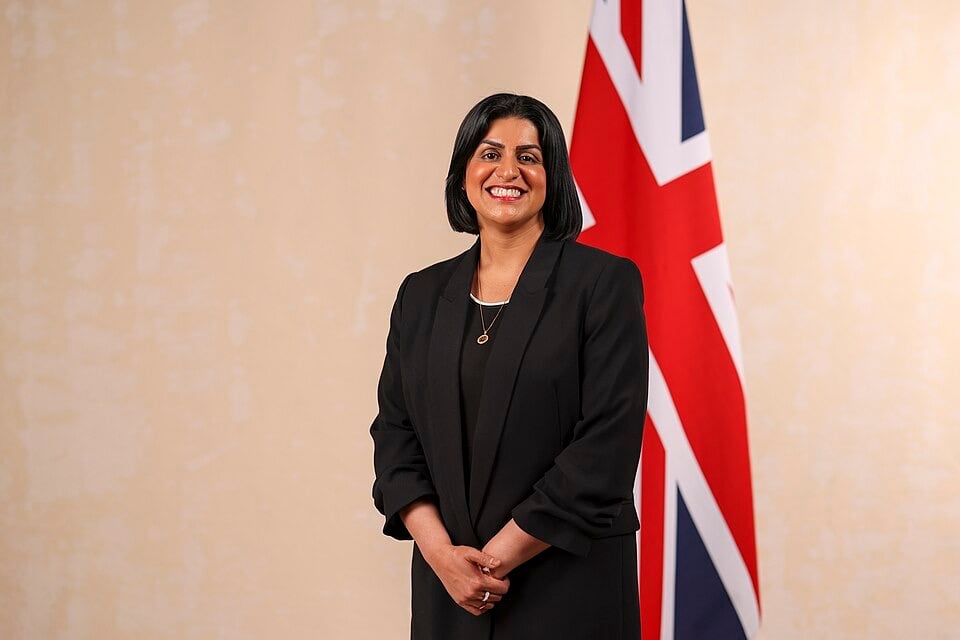
The Home Secretary would not confirm in the Commons that she will implement her indefinite leave to remain changes in full. Labour MPs, the London mayor and some Cabinet colleagues are pressing her to soften them.
Home Secretary Shabana Mahmood faced fresh taunts over whether she is “calling the shots” on Labour’s immigration policy, as a possible climbdown looms. Sadiq Khan, the Mayor of London, said millions of foreign nationals who arrived during the so-called “Boris wave” should not have to wait longer for settlement rights. Ms Mahmood wants to raise the qualifying period for indefinite leave to remain (ILR) from five years to at least 10. Ministers have not yet announced a final decision.
Khan and the Conservatives
Ms Mahmood has insisted the change is essential to avert a fiscal time bomb. She claims it would cost £10bn to support low-wage or unemployed migrants if they were granted ILR. Mr Khan’s intervention is a blow to her. He hinted that she will water down her proposals in the coming weeks. He told the Today programme: “I think Shabana Mahmood is absolutely right to have these conversations out in the open. She’s right to be expressing her views and to have a consultation. I have responded to the consultation in relation to the opportunities but also the concerns I have.”
Shadow Home Secretary Chris Philp said: “If the Home Secretary dilutes her own policy on ILR because Angela Rayner is calling the shots, surely her position is untenable? If she needs our votes to get the original policy through undiluted she has them, though we would go further. But will she stand firm against Angela?”
In the Commons, Mr Philp quoted a March speech in which Ms Mahmood said failure to implement the changes in full would be “an affront to British citizens, and would cost hardworking taxpayers £10 billion for care workers alone”. He asked whether she would confirm she would implement her own plans in full, or whether the Housing Secretary and the Energy Secretary were now in charge. Ms Mahmood replied: “Let me confirm to the House that going forward, settlement will be earned and will not be automatic. He knows we have conducted a consultation on those proposals, and we will set out our policy in due course.” Mr Philp said: “Okay, clearly not standing by her own plans.”
Labour backbenchers also pressed her. Abtisam Mohamed said academics, health workers and care workers in her constituency had raised concerns for more than 12 months about the insecurity created by plans to double the standard qualifying period. She asked: “Can we really call our system fair when people who came here under one set of rules are now fearful of retrospective change to the terms on which they built their lives? Will the Secretary of State clarify how the new proposals can give the people affected the certainty they need?” The source does not report an answer.
What is proposed
More than 200,000 people have been granted settlement rights since Labour promised last year to tighten the rules. Under current plans, migrants would wait at least 10 years to apply. Care workers face a 15-year wait, as immigration chiefs believe the health and social care visa was widely abused. Migrants could also be barred from claiming benefits until they become British citizens. Some 4.2 million migrants arrived in the UK between 2021 and 2024. More than 100 Labour MPs, trade unions, health bodies and Left-wing voters are understood to oppose the plans.
Cabinet divisions and the Prime Minister
The source reports splits in the Cabinet, with Communities Secretary Angela Rayner against Ms Mahmood’s plans. Prime Minister Andy Burnham has backed his Home Secretary, saying: “Why has this problem arisen? It’s arisen because if you look back to the early 2020s – people call it the ‘Boris wave’ – a huge number of people came in seeking permanent settlement on longer-term visas, and that was the change I was pointing to, in relation to freedom of movement and revolving-door migration.”
He added: “A new problem has arisen for Britain in terms of how do we handle that form of migration in the long run. And the Home Secretary is right, in my view, to bring forward changes that are based on the principle that settlement is a right to be earned, not just something that is granted automatically. And she’ll set out the final conclusion soon.”
The research notes say the Telegraph reported on 26 October that ministers are considering letting some foreign care workers qualify sooner than the proposed 15 years, after reported objections from Ms Rayner and Energy Secretary Miatta Fahnbulleh. No concession has been announced, so it cannot be reported that the 15-year proposal has been dropped. The Conservatives have offered to back her original reforms, and say she should resign if she cannot deliver them.
UNISON dispute and consultation
UNISON general secretary Andrea Egan said in a statement on 22 October that Ms Mahmood’s office told the union two hours before a meeting on 21 October that a migrant worker due to attend could not come, and the meeting was cancelled. She accused the Home Secretary of refusing to hear from someone directly affected. The union opposes lengthening the qualifying period for lower-paid migrants, particularly in social care. The Home Office has not given its account in the material seen.
Home Office minister Jo White confirmed on 21 October that more than 200,000 people and organisations responded to the earned-settlement consultation, which ran from 20 November 2025 to 12 February 2026. No publication date for the government’s response had been confirmed. The consultation projected about 1.6 million settlement grants between 2026 and 2030, peaking at around 450,000 in 2028, mostly among people who arrived in 2022-24, including on Health and Care visas. These are projections.
What is decided and what is not
The increase from five to 10 years is not in force. Ministers are still deciding which migrants it would affect and whether transitional protections will apply. Ms Mahmood told the Home Affairs Committee on 15 September that some existing groups might keep a five-year route while others could face longer periods. She noted that migrants who arrived in 2022 could start qualifying under existing rules in February 2027, and that applications are normally governed by the rules in force when they are made.
One change has been agreed. From 26 March 2027, applicants on many ILR routes, including Skilled Worker, UK Ancestry, Global Talent, Long Residence and Private Life, will need B2-level English rather than B1 unless exempt, including those already on a path to settlement. The consultation excluded the EU Settlement Scheme and Windrush settlement, proposed keeping quicker routes for spouses of British citizens and the Hong Kong BN(O) route, and said existing ILR would not be withdrawn. It also asked whether benefits should be reserved for British citizens and floated an accelerated route for higher earners and some public service workers. The qualifying thresholds are not final.
