



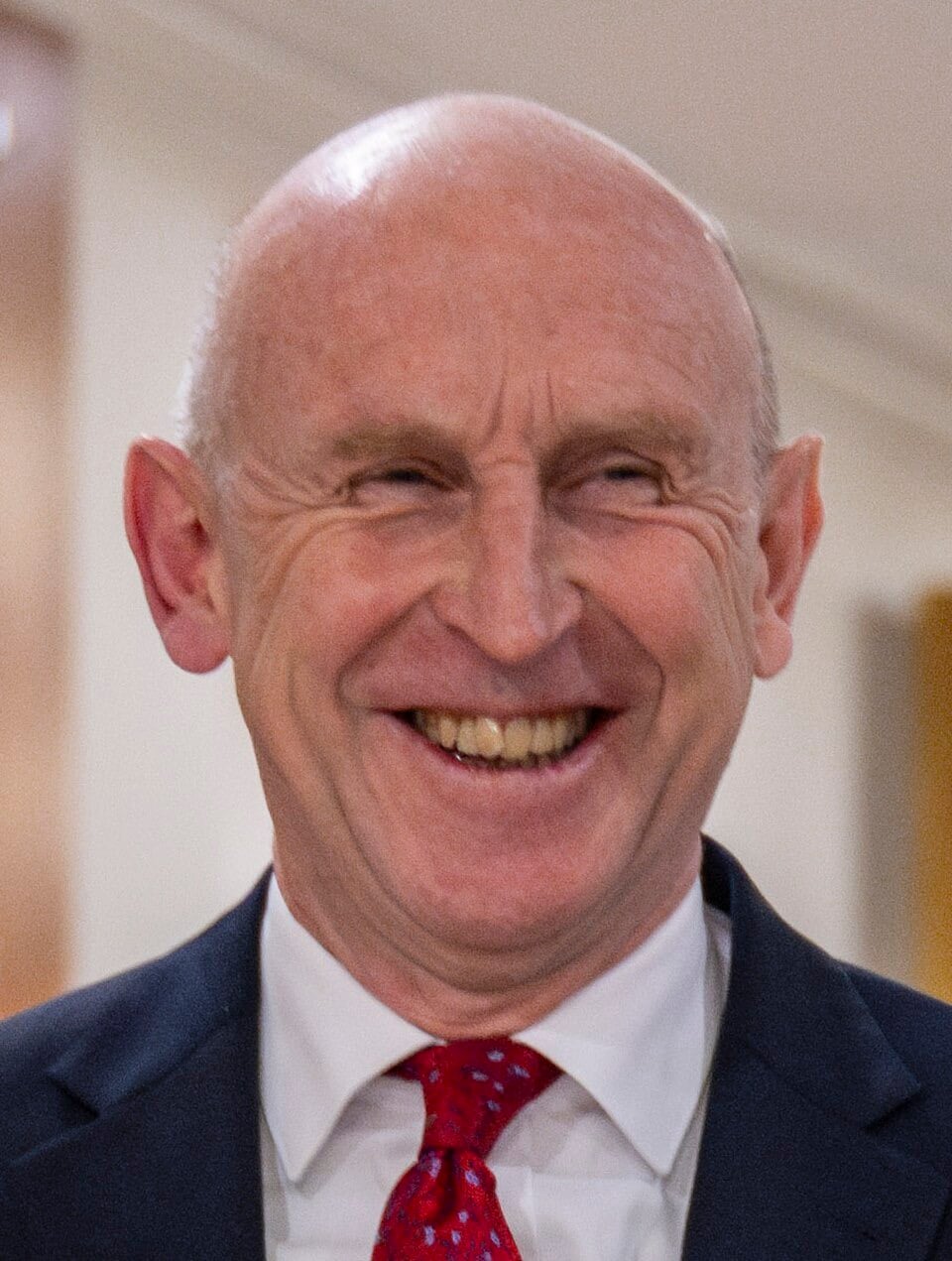
The Chancellor told Channel 4 News it was “not correct” to say the welfare bill will fall this Parliament, after Downing Street distanced itself from his morning remarks
Chancellor John Healey has pulled back from a suggestion that he would reduce the welfare bill before the next election. Reports say he made it in broadcast interviews on Thursday morning. Downing Street later said no such commitment had been given, and Prime Minister Andy Burnham said there was no “timetable” for cuts. Mr Healey told Channel 4 News it was “not correct to say we are going to bring the welfare bill down in this Parliament”. The confusion comes a day after a Budget that forecasts health-related benefits costing more than £100bn a year by 2028/29.
A day of mixed messages
Opposition parties seized on the shift. Conservative leader Kemi Badenoch has branded Labour the “welfare party”. Reform UK’s Robert Jenrick has taken to calling the Prime Minister “benefits Burnham”.
On LBC, Mr Healey emphasised young people rather than immediate cuts. He pointed to around one million people aged 16 to 24 outside work, education or training. He argued that cutting entitlements now could add pressure on households already struggling with the cost of living. He also told GB News that ministers had already changed Universal Credit rules and restored face-to-face assessments. That is his account of existing measures, not evidence that they have cut spending.
Downing Street’s line was that ministers intend to address the drivers of benefit spending, help more claimants into work and link support to engagement with employment programmes. No new eligibility rules were announced, according to ITV News.
How big is the bill?
The £100bn figure refers to health-related benefits. Total welfare spending is far larger. The Office for Budget Responsibility (OBR) forecasts it will reach about £353bn this financial year, up from around £333bn, and £431bn by 2031-32. That figure includes the state pension, Universal Credit and disability benefits. Reuters reported that spending including pensions will exceed 11% of GDP in 2026-27. The Independent reported that, according to OBR forecasts, around three-quarters of health-related benefit spending goes to working-age adults.
Research published on 21 October by the Resolution Foundation found about 3.5 million people receive health-related out-of-work benefits, roughly one million more than in 2016-17. It also found 8.4 million people in families receiving Universal Credit in May 2026, of whom about 5.2 million were not in employment. Those figures cover people with different work requirements and should not be read as the number of unemployed people.
What happens next
Downing Street said the Milburn review into youth unemployment and the Timms review of Personal Independence Payment (PIP) are due in November. It said they will be followed by a welfare white paper in 2027 and then legislation. The recommendations of both reviews are not yet known.
Reuters quoted an economist warning that policies built around getting people into work may deliver savings more slowly and less predictably than direct changes to entitlements. That raises the question of whether the approach could cut costs within this Parliament.
Wider pressures on the Budget
Independent analysts have pointed to tight finances:
- The Resolution Foundation calculates the Chancellor’s headroom against his fiscal rule at about £14.5bn. The Treasury has put it at £15bn.
- The Resolution Foundation estimates debt interest will reach £147bn a year by 2029-30, some £13bn more than forecast in March.
- The Institute for Fiscal Studies (IFS) said difficult spending decisions have been left to the next Spending Review. Director Helen Miller said: “This decade looks set to be the worst decade for growth in household incomes on record.”
- The Resolution Foundation also estimates typical working-age incomes will fall by about £1,050, or 3%, between 2026-27 and 2028-29.
