



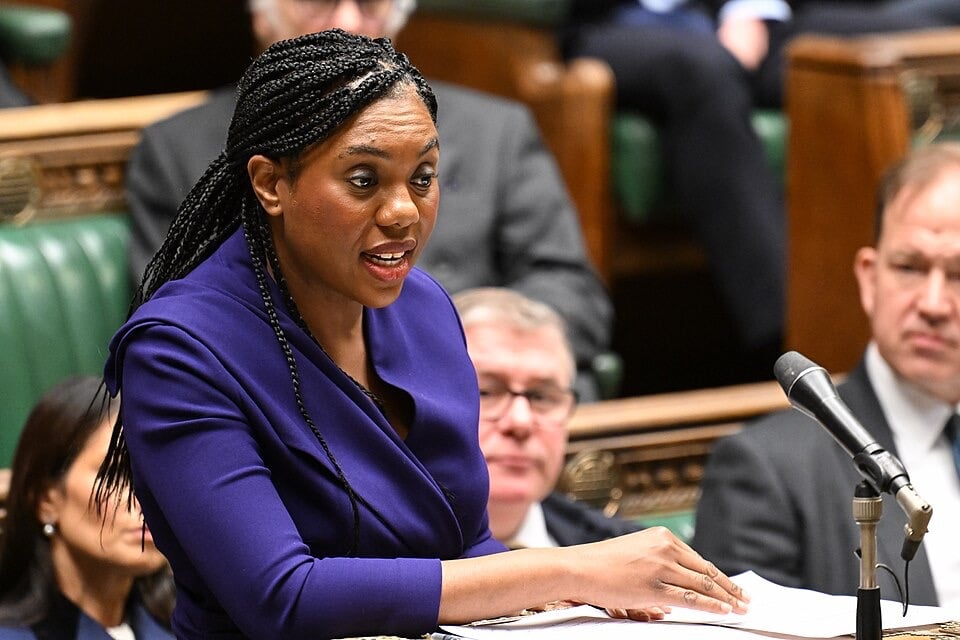
The Tory leader called the Chancellor’s package “not good enough, not strong enough, not bold enough”. The Budget also holds a pension triple-lock change from 2030, energy bill help and a cash ISA U-turn.
Kemi Badenoch has condemned John Healey’s debut Budget as “not good enough, not strong enough, not bold enough”, saying it ducked the country’s most urgent problems. The Conservative leader’s reply to his near hour-long speech was: “Is that it?” The Chancellor delivered the Budget on Wednesday 28 October, with 98 measures. Mr Healey said it would give families “breathing space” as the Iran war pushes up everyday costs.
The Chancellor’s case
Mr Healey told MPs: “This is a Budget for the working people of Britain. It’s a Budget for business, big and small. Delivered at a time when global uncertainties and pressures are swirling worldwide and hitting people here in Britain.”
He offered some help on energy bills and spared motorists another rise at the pumps. He also dropped his predecessor Rachel Reeves’s plan to cut the annual cash ISA allowance, keeping the tax-free limit at £20,000 for savers of all ages. Analysts said the “value” of the measures was the smallest on record, though the source does not name them. The Budget will still push the tax burden to a peacetime record.
Badenoch’s response
Mrs Badenoch said: “Next year, under Labour, the tax burden will be the highest in our country’s history and our benefits bill is going up by tens of billions of pounds because this Government has put welfare first. We are overspent, over-borrowed, overtaxed and drowning in an out-of-control welfare system.”
She added: “Most people in the country listening to his Budget will be thinking to themselves: Is that it? Really, is that it? The Prime Minister came in promising to reverse 40 years of neoliberalism. Instead, we got 4p off gherkins.”
Critics said there was little detail on cutting the welfare bill, and that a lukewarm commitment on defence spending suggested Labour was putting “benefits before bullets”. Workers, savers, landlords and banks all face higher tax burdens as the Government pays for short-term cost-of-living help.
Pensions and welfare
From April 2030, according to Treasury documents, the state pension will rise each year by the highest of inflation, 2.5%, or the increase needed to keep its value relative to average earnings at the level reached in April 2029. The existing triple lock stays until April 2029. The Government projects the change will cut pension spending by £15bn a year by the late 2030s and £50bn a year by the late 2040s, compared with the current system, and says it will help fund a future National Care Service in England. That is a long-term projection, not an immediate saving.
On welfare, the Government says it will respond to the Milburn and Timms reviews before the end of 2026, publish a White Paper in early 2027 and legislate later that year. New anti-fraud measures are forecast to save £1.4bn, taking projected fraud-and-error savings above £20bn across the forecast period. The Budget does not set out final eligibility changes to health and disability benefits.
Help with bills
- Energy payment: £2.6bn will fund a £100 Household Energy Payment for up to 20 million households in England from January 2027, with funding for devolved governments to provide support elsewhere in the UK.
- Electricity VAT: The 0% rate on domestic electricity, due to end on 31 March 2027, is extended to 30 June 2027. It does not apply to gas.
- Gas standing charges: Ofgem has been asked to abolish them by the end of 2027, or as soon as practical afterwards. They average about £108 a year, but suppliers could recover the cost through unit prices, so not every household will save that amount.
- Mileage allowance: The higher tax-free rates for business mileage become permanent, at 55p a mile for the first 10,000 miles and 35p beyond. Treasury estimates say about two million employees and one million self-employed people could benefit, with up to £300 in extra tax savings for someone driving 15,000 business miles. These are approved tax-free rates and do not oblige employers to pay them.
Homebuyers, savers and landlords
From 29 October, first-time buyers using Lifetime ISA savings to buy a property above the £450,000 limit will face a 20% withdrawal charge instead of 25%. A replacement First Time Buyer ISA is planned for April 2029, with a 25% bonus on contributions of up to £4,000 a year and a maximum government bonus of £20,000. Existing Lifetime ISA holders can keep using their accounts.
From 6 April 2027, the Treasury documents set property and savings income tax rates at 24% for basic-rate taxpayers, 44% for higher-rate and 49% for additional-rate. Property income is subject to the relevant territorial rules, while the savings rates apply across the UK.
Tourist tax and Ukraine
The Budget’s Fiscal Devolution Roadmap proposes giving strategic local authorities the power to introduce an Overnight Visitor Levy. That would allow local decisions on charges for overnight stays, subject to legislation. It is not a nationwide charge from tomorrow.
The Government has also committed more than £10bn in extra support for Ukraine, including up to £7bn in economic and development support, £500m for air defences this winter and £3bn in extra UK Export Finance capacity. Some of this is loan guarantees and export-finance capacity and not direct spending, and it is additional to existing military commitments.
