



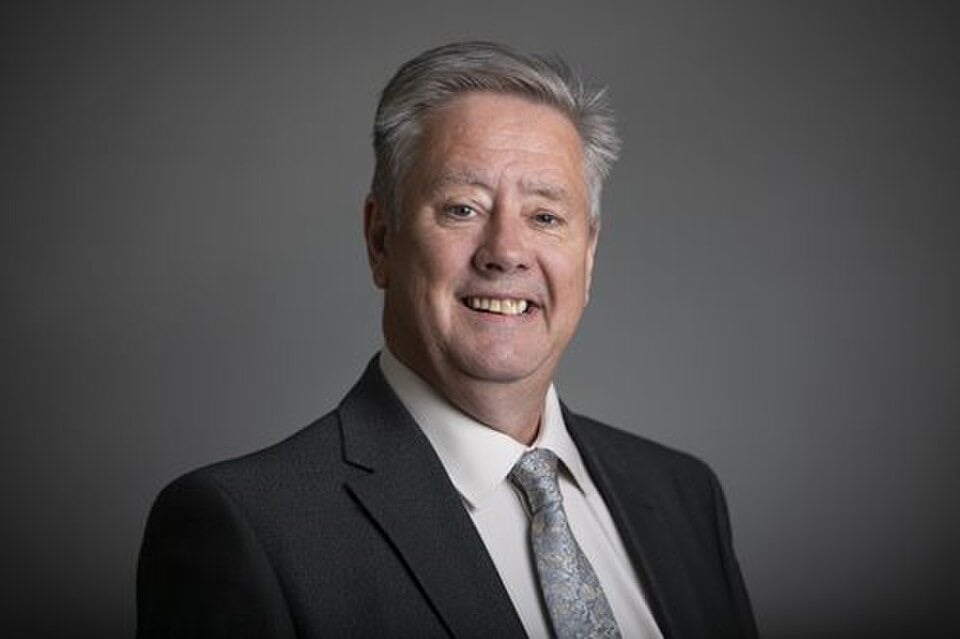
Depute leader Keith Brown says “every single penny” of the new energy wealth fund should be spent on Scotland’s renewables future. The UK Government has been contacted for comment.
The SNP has demanded that the UK Labour Government rule out using revenue from Scotland’s oil and gas industry to pay for nuclear energy in England. Depute leader Keith Brown said “every single penny” of the Government’s new energy wealth fund should be spent on Scotland’s renewables future. The fund was announced alongside approval of the Jackdaw gas field near Aberdeen earlier this week. The Chancellor is to establish it with a £2bn down payment, to reinvest oil and gas revenues in the climate transition.
What the SNP is saying
Mr Brown said: “Every single penny of revenue from our oil and gas industry should be invested in Scotland’s renewables future. The one trillion pound question for the Labour UK Government is will they guarantee that or will we see our energy revenues pay for English nuclear power down south.”
He claimed GB Energy was “gutted” to pay for nuclear projects in England. “This cannot happen again,” he said.
He also responded to Chancellor John Healey, who said earlier this week that Britain could have built a sovereign wealth fund of around £1tn had North Sea revenues been invested over the past 40 years. Mr Brown said the Chancellor was “talking about what Westminster could have banked from Scotland”. “Our resources were abused to pay for the worst excesses of Thatcherism and hidden to halt ambition of our people,” he said. “We cannot let history repeat itself which is exactly what Westminster is planning.”
He added: “Through a fresh start with independence, it is guaranteed that every pound from our waters is spent in Scotland. That’s the bottom line and that’s why independence is the preferred choice of the Scottish people.”
First Minister John Swinney has already urged Prime Minister Andy Burnham to ring-fence the fund to support the renewables transition in north-east Scotland. According to the research notes, his letter of 21 October also noted that Scottish ministers do not hold the powers to decide how the associated tax revenue is used. Oil and gas licensing, consent and the offshore tax regime remain reserved to the UK Government. It said the Scottish Government formally asked for further energy powers in May, and questioned when the fund will operate, how it will invest, and why the initial sum equals only about half of last year’s North Sea revenue.
Could it fund nuclear?
That is the open question. According to the notes, the existing National Wealth Fund’s investment policy explicitly lists nuclear alongside renewables, grids and storage. The Energy Wealth Fund will operate within the National Wealth Fund, and the 21 October announcement says it will invest in renewable and low-carbon infrastructure across the UK. No published rule expressly excludes nuclear power stations in England. Nothing shows any of the £2bn has been committed to an English nuclear project, and no legally binding commitment to reserve the fund for Scotland has been identified. That does not confirm the fund will finance nuclear projects. Conservative MP Kieran Mullan has tabled a parliamentary question asking which technologies will qualify, with an answer due by 26 October.
The National Wealth Fund normally makes investments expected to generate a return, typically above £100m, rather than grants. Detailed rules for the new fund have not been published.
The revenue picture
HMRC figures published on 22 October show North Sea tax receipts fell to £4.3bn in 2025-26 from about £4.5bn the year before, a third successive annual fall. The Energy Profits Levy raised £2.6bn, down from £2.9bn, while offshore corporation tax rose from £2bn to £2.2bn. The £2bn down payment equals about 47% of last year’s receipts, though it is not necessarily financed from them. HMRC also estimates that decommissioning will cost the Exchequer about £11.8bn in present-value terms, from tax repayments and forgone revenue.
The Government says Jackdaw will contribute an estimated £2.9bn to the economy, safeguard 273 existing jobs and create 27 new direct jobs, and could raise domestic gas output by about 6% at peak. Wood Mackenzie estimates its lifetime emissions at 24 million tonnes of CO2 equivalent, while environmental groups dispute continued extraction. A decision on the Rosebank oil field is expected in December.
