



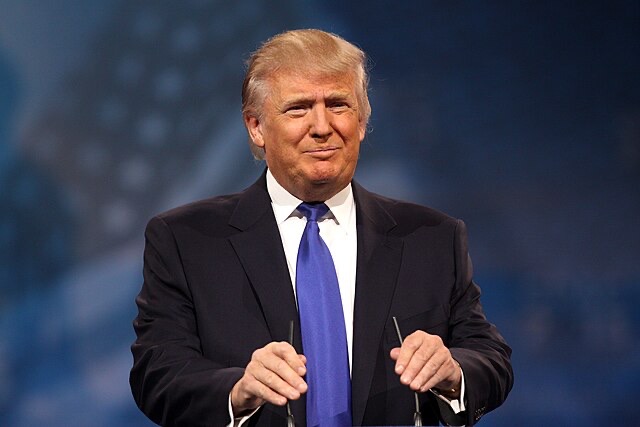
American naval forces commenced comprehensive interdiction operations targeting Iranian maritime commerce Monday as President Donald Trump claimed Tehran had telephoned the White House seeking negotiations—an assertion Reuters could not immediately verify whilst raising questions about whether the dramatic escalation serves genuine strategic objectives or theatrical pressure designed to force diplomatic capitulation.
The blockade implementation follows weekend collapse of Pakistan-mediated peace talks, with Trump telling reporters during an impromptu White House press conference that Iran “called this morning” expressing desire to “work a deal” despite the nuclear weapons disagreement that torpedoed previous negotiations. “Iran will not have a nuclear weapon,” the president stated flatly. “We can’t let a country blackmail or extort the world.”
The timing of Trump’s claim—announced precisely as American warships began enforcement operations preventing vessels from entering or leaving Iranian ports—invited scepticism about whether genuine Iranian overtures occurred or whether the president fabricated diplomatic progress to justify military escalation he had predetermined regardless of Tehran’s actual positions. Reuters’ inability to confirm the alleged contact through independent sources suggests either extraordinary operational security surrounding sensitive communications or presidential mischaracterisation of exchanges that may have occurred through intermediaries rather than direct Iranian government outreach.
Trump’s assertion that oil tankers “are going to be doing very well” in the Strait of Hormuz contradicted widespread industry assessments that comprehensive blockade would severely disrupt shipping regardless of American assurances about protecting non-Iranian traffic. His additional claim that tankers “are coming in empty and out full” to the United States reflected apparent satisfaction with American energy export opportunities created by Middle Eastern supply disruption—a commercial silver lining to geopolitical crisis that may explain the president’s apparent comfort with prolonged confrontation.
Why Britain’s Diplomatic Positioning Attempts Impossible Balance
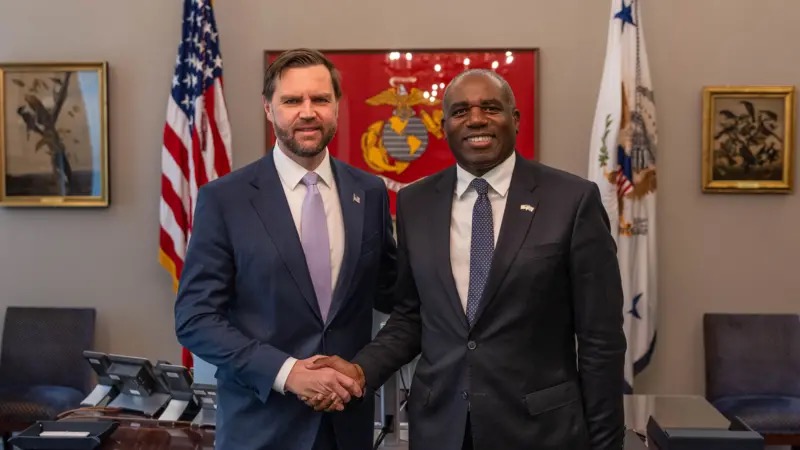
UK Deputy Prime Minister David Lammy’s meetings Monday with Vice President JD Vance and Secretary of State Marco Rubio focused on Strait of Hormuz security, with Lammy emphasising that “it is vital that shipping flows freely again” through the waterway—a formulation attempting to distinguish supporting navigation freedom from endorsing American blockade tactics that Britain has refused to join.
A statement from Lammy’s office indicated the UK government “is focused on supporting and sustaining the ceasefire and turning it into a lasting agreement,” diplomatic positioning that treats the fragile truce as foundation for negotiated settlement rather than temporary pause before resumed hostilities. Whether this optimistic framing reflects genuine British assessment or merely public stance designed to maintain diplomatic space between London and Washington’s more aggressive approach remains ambiguous.
Britain’s decision to co-host an international summit of more than 40 nations this week discussing how to “safeguard shipping through the strait of Hormuz when the Iran conflict finally comes to an end” revealed assumptions about eventual resolution that Trump’s blockade announcement appears to contradict. The summit’s future-focused framing—planning for post-conflict shipping security rather than addressing immediate crisis—suggests British officials either believe diplomatic breakthrough remains possible or have concluded that preparation for eventual normalisation proves more productive than direct confrontation over current American strategy.
The 40-nation participation demonstrates substantial international concern about Strait disruption’s global economic consequences, yet the gathering’s timing—occurring as American blockade takes effect rather than before escalation occurred—raises questions about whether diplomatic coordination might have prevented current crisis or whether Trump’s determination to employ maximum pressure rendered such multilateral engagement irrelevant to actual decision-making.
Whether Iran genuinely seeks renewed negotiations as Trump claims or whether the president’s assertion represents wishful thinking, deliberate misrepresentation, or genuine communication that Tehran would characterise differently depends on evidence that may emerge through subsequent diplomatic developments or remain forever contested between competing American and Iranian narratives about who initiated contact and what terms were discussed.
