



A 30-year-old Argentine man has been arrested and charged with human trafficking and sexual exploitation after allegedly deceiving dozens of young women into appearing in explicit videos by falsely promising the footage would never be distributed in their home country — a lie that devastated lives when the content spread rapidly across Argentina and internationally.
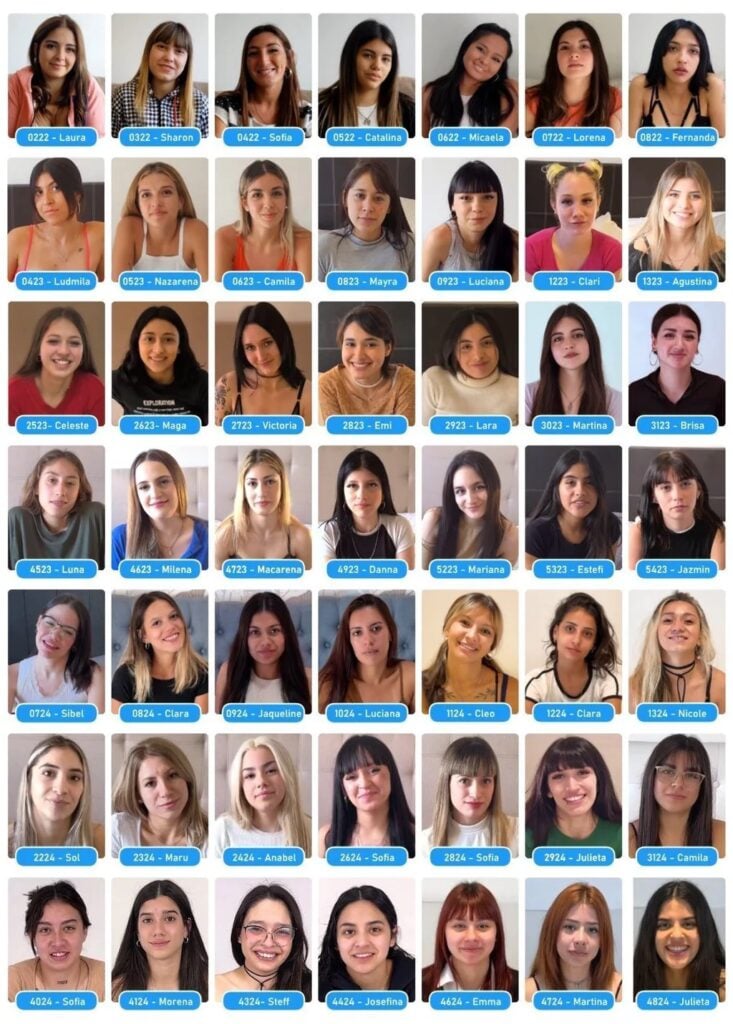
Gianfranco Gaspar Núñez, from the city of Rosario, operated through Instagram accounts presenting themselves as legitimate casting agencies, approaching young women — predominantly aged 18 to 22 — with offers of around $200 in cash and the promise of professional exposure in the audiovisual industry. The only condition was participation in explicit sexual content. Women who agreed signed contracts granting Núñez broad rights to edit, sell and distribute the footage. He told them categorically that the material would only be circulated abroad, ensuring their identities would remain protected at home.
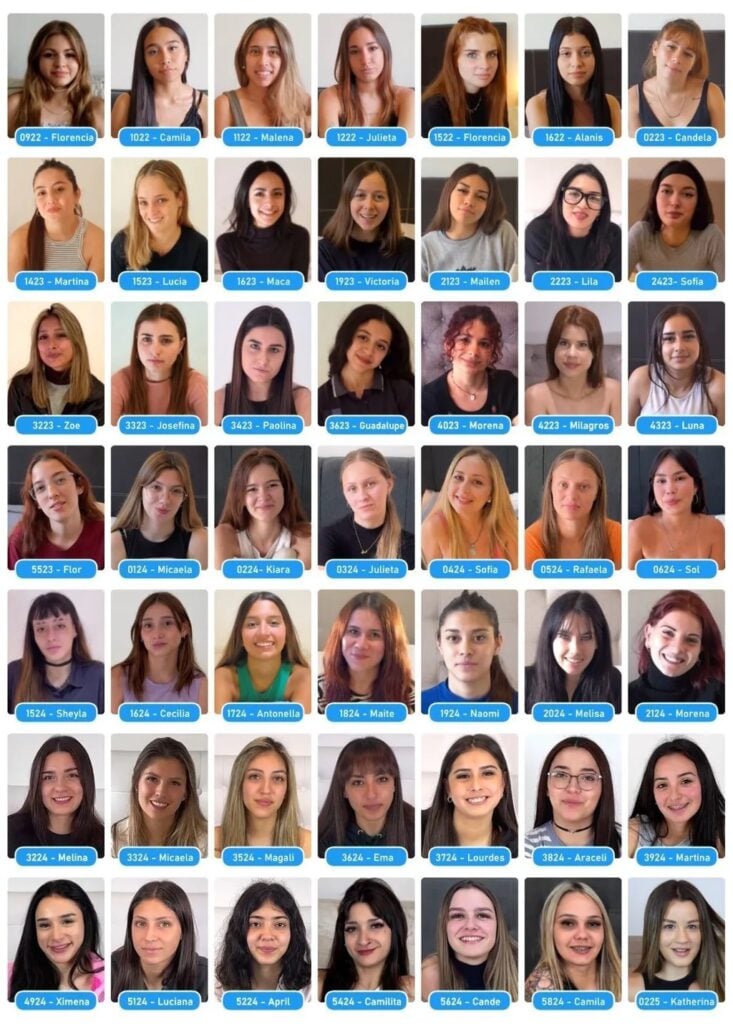
That assurance was false. Núñez uploaded the content to open adult platforms where it spread rapidly, reaching not only audiences across Argentina but internationally. Over 150 explicit videos were eventually seized by investigators. The footage included the women identifying themselves by their real names, ages and home towns — details that made them immediately identifiable when the content circulated in their own communities.
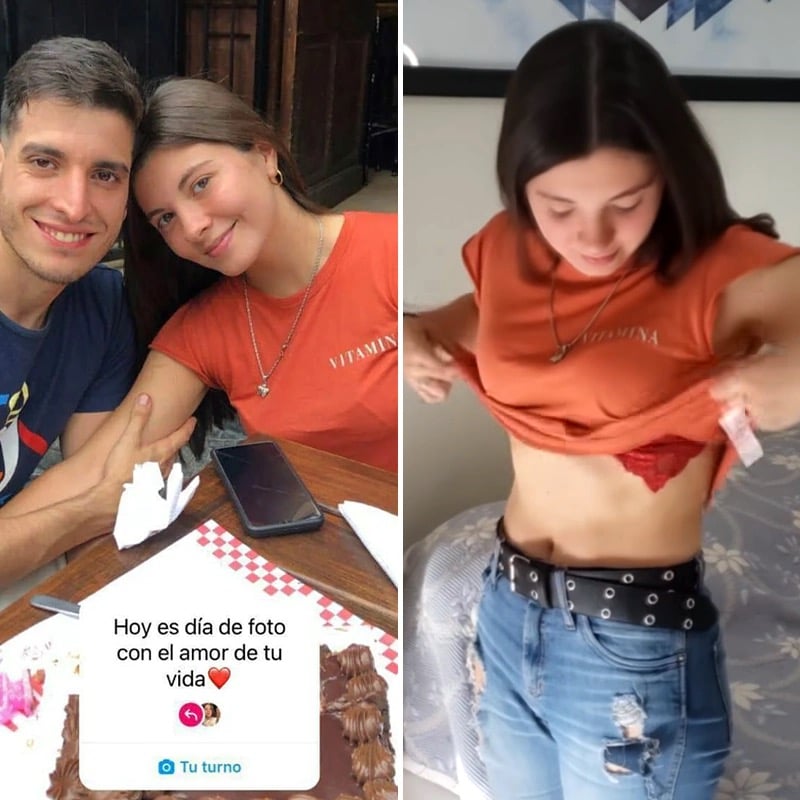
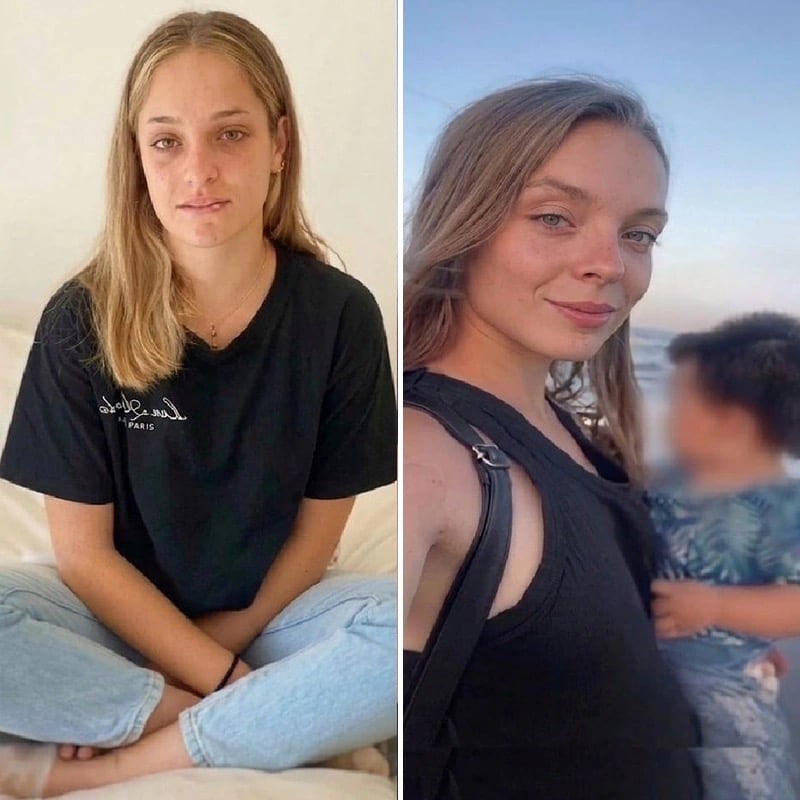
The consequences were severe and swift. Women with partners, children and established social lives found their most intimate moments exposed. Relationships ended, reputations collapsed and many became targets of relentless online harassment and doxxing. The damage was compounded by a detail that amplified public outrage: some women appeared in the videos wearing the same clothes they had posted in personal photographs with their partners on the same day or within hours of filming, inadvertently creating a stark and devastating visual contrast that was widely circulated online.
At least one woman responded publicly, asserting her right to make choices about her own body and vowing to expose those who harassed her. The response drew further attention rather than sympathy from many online.
The case came to light after an anonymous tip to Argentina’s national human trafficking hotline, Línea 145, triggering a federal investigation by specialist prosecutors at PROTEX and the Federal Police. Investigators traced the Instagram accounts to Núñez through phone records, IP addresses and digital evidence, and also uncovered a Telegram group he had used to promote and sell the videos. Evidence suggested he had failed to make complete payments to some participants, and that the content was distributed domestically in direct breach of the assurances he had given.
Operation Casting para Preso resulted in coordinated raids across Rosario, Buenos Aires and Misiones on 27 March 2026. Núñez was arrested in Rosario and placed in preventive detention for 90 days. He faces charges of aggravated human trafficking for sexual exploitation and promotion of prostitution. At least eight victims, most aged 18 or 19, have been formally identified, with investigators continuing to seek others.
Prosecutors have emphasised that the criminal case rests on the elements of deception, the manipulation of vulnerable young women through false promises, and the lasting harm caused — factors they argue elevate what might superficially appear to be consensual transactions into criminal exploitation. Court documents highlighted the significant power imbalance between Núñez, who retained full control of the footage, and the women involved, who were left with no ability to limit or retract distribution once they had signed away their rights.

The case has drawn comparisons to the GirlsDoPorn operation in the United States, whose operator was sentenced in 2025 following a similar scheme in which women were deceived about how and where explicit content would be distributed. The fallout from that case included the loss of a beauty pageant title by one identified victim and a lawsuit against Pornhub alleging the platform had profited from footage of assault.
