



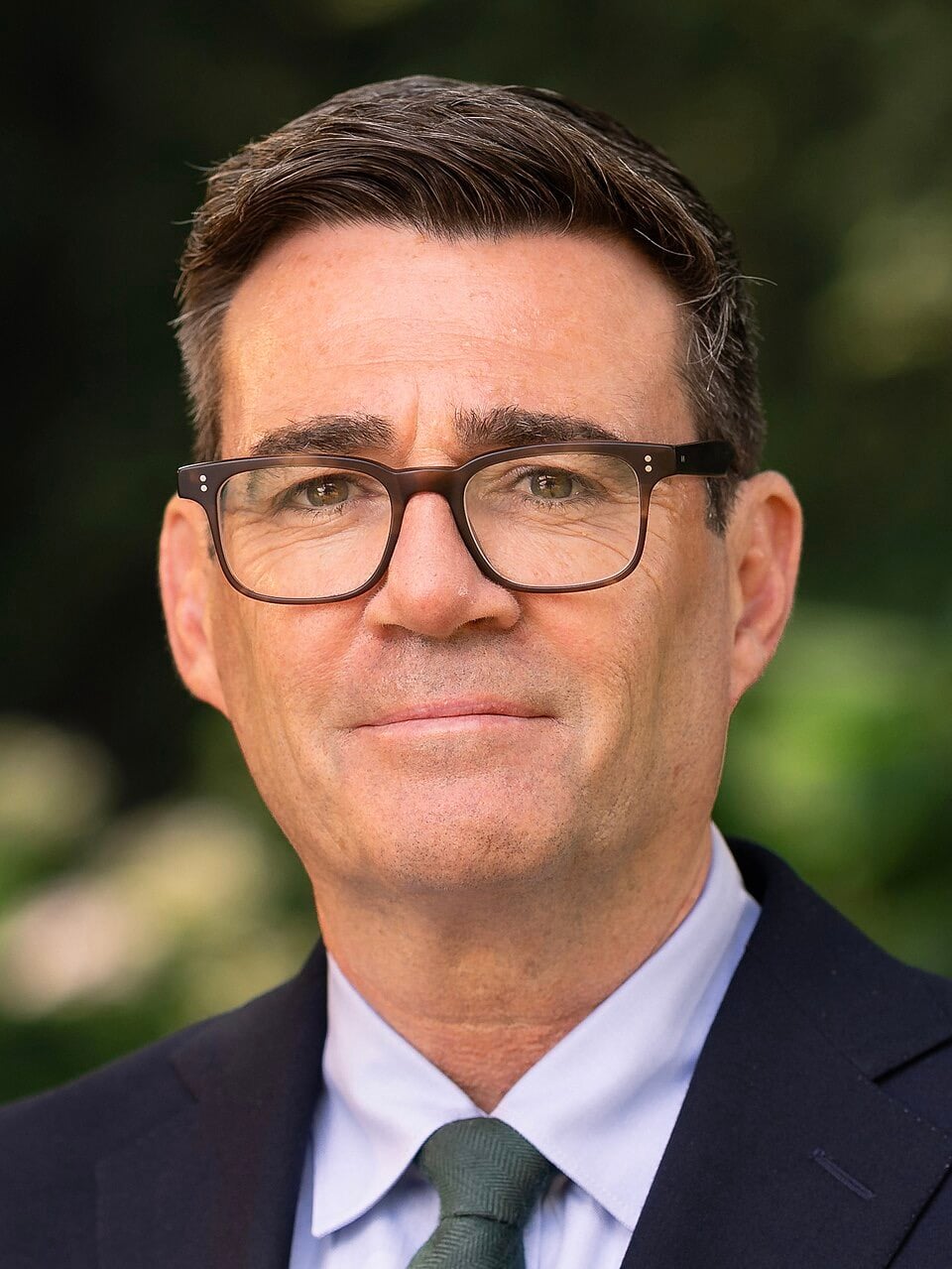
Andy Burnham says he wants the UK to deliver the cure the world is waiting for, as ministers announce a drive to make it easier for people to join clinical trials.
Prime Minister Andy Burnham is to announce a £48m partnership with industry to support dementia research and speed up the development of new treatments. The Government is contributing £33m through the Dame Barbara Windsor Dementia Goals programme, alongside funding from Bristol Myers Squibb, GSK and Gates Ventures. The money will go towards tackling one of the biggest obstacles in the field, recruiting enough people to test promising treatments. Mr Burnham is expected to make the announcement ahead of the Innovation Nation Summit.
A single platform for trials
The investment will support The BARBARA Alliance, a UK-wide not-for-profit partnership of government, industry, academia, charities and people with lived experience of dementia. Its flagship programme, BARBARA, will create a co-ordinated platform linking the UK’s health data, research and clinical trial capabilities. The aim is to make it easier for researchers to find participants and for people across the country to take part in studies.
The Government says too few people take part in dementia research compared with other diseases. Anyone aged over 18 can sign up through the National Institute for Health and Care Research’s Join Dementia Research service, with or without a diagnosis or memory concerns.
The Prime Minister’s message
Mr Burnham said there was no reason why Britain could not lead the world in the search for new treatments. For too long, he said, dementia had been treated as something to be managed later in life rather than a condition that could be properly treated and ultimately cured.
“Dementia is a devastatingly cruel disease, not only for those who live with it, but for the families who care for them,” he said. “For too long, we have accepted dementia as something to be managed later in life, rather than a disease we can defeat. I don’t accept that. In fact, I have real hope that we can come together and do exactly that.”
He added: “I want Britain to be the country that makes the breakthrough and delivers the cure for dementia the world has been waiting for. That is why I am making dementia research a national priority.”
Health and Social Care Secretary Yvette Cooper said the investment would help “turn the tide on dementia” by speeding up diagnosis, accelerating research and giving more people the chance to take part in trials. She said the treatment of dementia would also be one of the central priorities of the proposed National Care Service.
Backing from charities and industry
Hilary Evans-Newton CBE, chair of the Dame Barbara Windsor Dementia Goals programme and chief executive of Alzheimer’s Research UK, said that more than 90% of the people the programme had surveyed would like to take part in research. She said the funding would help more people contribute to breakthroughs in diagnosis and treatment.
Jessamy Baird MBE, chief executive of The BARBARA Alliance, said its strength lay in working across the whole sector, including with people with lived experience of dementia, charities, commercial companies, the NHS and regulators. She said taking part in a trial also gave people the chance to receive interventions, treatments and better care.
Industry partners also welcomed the move:
- Kaivan Khavandi of GSK said the partnership would create “a more dynamic and agile way to accelerate scientific trials”, and that the company was proud to be a founding member.
- Ken Rhodes of Bristol Myers Squibb said BARBARA would bring together unique datasets that advance AI and machine-learning approaches, helping the Alzheimer’s field “ask better questions”.
- Niranjan Bose of Gates Ventures said recruiting the right people at the right time remained “one of the biggest bottlenecks” in developing treatments, and that the UK had a “remarkable opportunity” to change that.
Health Data Research Service
The Prime Minister will also announce that dementia will be one of the first priorities for the new Health Data Research Service (HDRS), a commitment in the Government’s 10 Year Health Plan and Life Sciences Sector Plan. Backed by up to £600m from the Government and the Wellcome Trust, it will bring NHS and research data from across the UK into a single, secure system for approved research.
The Government says Britain has some of the world’s most powerful health data but that it is spread across different systems and organisations. Joining it up, it says, will help researchers understand how diseases develop, find suitable participants and turn discoveries into treatments. The service is intended to complement BARBARA by giving scientists the evidence needed to design better studies.
The scale of dementia in the UK
According to the Government, nearly one million people in the UK live with dementia, and around one in two people will be affected in their lifetime, either by living with the condition, being a carer or both. It estimates dementia costs the UK more than £42bn a year. The vast majority of that falls on social care and unpaid care provided by family and friends, while the cost to the NHS is put at £7bn.
Care reform and diagnosis
The announcement follows a week after Mr Burnham set out a new settlement for older people, combining a State Pension that continues to rise every year with plans for a National Care Service offering free personal care. Under the plans, older people would be entitled to a basic level of free personal care, including help with washing, dressing, eating and personal hygiene.
Baroness Casey has been asked to make recommendations on how and when to build the service, with public deliberation and cross-party talks as part of her review.
Last week UKRI also launched an £80m Dementia Challenge, which will test nine technologies in the NHS, including faster MRI brain scans and remote cognitive assessments. The programme aims to ensure that 92% of people receive a diagnosis within 18 weeks of referral, up from around 60% today.
