



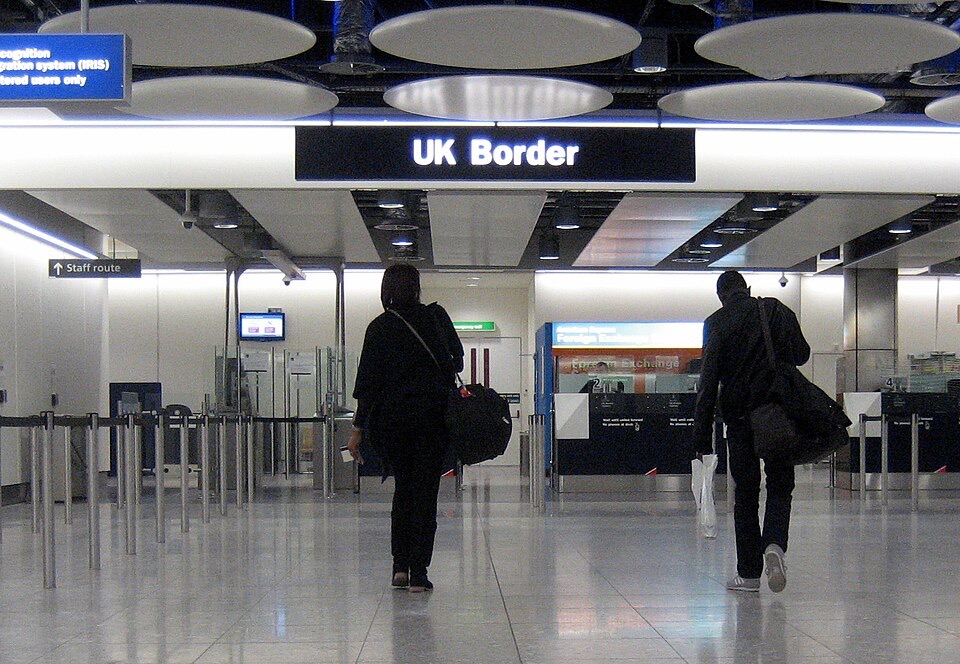
Official figures from the Office for National Statistics show the UK population has risen to a new high of 69.5 million, but annual growth has slowed to its weakest rate in nearly three decades, as falling net migration and a drop in birth rates reshape the country’s demographic outlook.
The UK’s population has climbed to a new record of 69.5 million, according to the Office for National Statistics, though the pace of growth has slowed markedly as net migration continues to fall from the record levels seen in 2023. The ONS estimated that 69,483,939 people were living in the UK in mid-2025, an increase of 227,665 over the previous year. That represents a rise of just 0.33 per cent, the lowest annual growth rate since 1998, excluding the pandemic-affected year of 2020.
A sharp slowdown from recent highs
The latest growth figure marks a significant drop compared with recent years, which saw much steeper increases: 1.05 per cent in 2022, 1.34 per cent in 2023 and 0.97 per cent in 2024. According to the ONS, the vast majority of the UK’s population growth continues to be driven by net migration, the difference between the number of people arriving in the country and those leaving. Net migration in the year to mid-2025 stood at an estimated 222,900, down sharply from 651,700 the previous year. The ONS attributed much of this decline to a series of visa restrictions introduced by the previous Conservative government in spring 2024.
Migration patterns over the period show that around 886,200 people arrived in the UK for at least 12 months in the year to mid-2025, while approximately 663,400 people left. The fall in migration has been particularly pronounced among non-EU nationals arriving for work and study. International student arrivals dropped substantially, from around 484,000 in the year to June 2023 to roughly 301,000 by June 2025, while the number of student dependants fell from about 87,000 to just 13,000, a reduction of approximately 85 per cent. Long-term emigration also increased over the same period, rising to around 693,000 people, up from roughly 650,000 the year before.
Births at a four-decade low
Alongside the fall in migration, the ONS recorded 652,400 births in the UK in the year to mid-2025, the lowest figure in more than four decades. With 647,500 deaths recorded over the same period, natural change, the difference between births and deaths, added just 4,900 people to the population, underlining how heavily the UK’s growth now depends on migration rather than birth rates.
Diverging trends across the four nations
The population figures varied considerably across the UK’s constituent nations. England accounted for almost all of the overall increase, with its population rising by around 227,600 to reach 58.83 million. By contrast, Wales recorded its first annual population decline in roughly a decade, losing approximately 2,800 people to fall to 3.18 million. Scotland saw only modest growth of around 2,200 people, reaching approximately 5.55 million, while Northern Ireland’s population rose by just 600 to around 1.93 million.
Long-term projections brought forward by decades
Separate projections published earlier this year by the ONS suggest the UK’s population will reach its peak far sooner than previously expected, now forecast to hit around 72.5 million in 2054 before beginning to decline. This represents a dramatic revision from the statistics body’s earlier estimate, which had placed the UK’s population peak as far away as 2096, meaning the projected high point has effectively been brought forward by around four decades.
Within that revised UK-wide total, the ONS now expects England’s population to peak for the first time in its history, reaching just over 62.1 million in 2056 before starting to fall. Previous projections had forecast that England’s population would continue growing for at least the next century. The other UK nations have also seen their projected peaks brought forward substantially: Wales is now expected to peak at around 3.2 million in 2035, rather than 2077 as previously forecast; Scotland is projected to reach its highest population, approximately 5.6 million, in 2033, rather than 2051; and Northern Ireland’s population is expected to peak at around 1.9 million in 2031, two years earlier than previously estimated.
Net migration set to be the UK’s sole growth driver
The ONS’s longer-term projections point to a significant demographic shift over the coming decade, with net migration expected to become the only source of population growth in the UK. Between 2024 and 2034, the ONS projects approximately 6.40 million births against 6.85 million deaths, a shortfall of around 450,000 more deaths than births. Against this, around 2.2 million net migrants are projected to arrive over the same period, pushing the UK’s overall population from 69.3 million in 2024 to around 71 million by 2034, a figure some 1.2 million lower than previously forecast. In effect, the data suggests the UK is on course for natural population decline, with immigration levels needed to more than offset the growing gap between births and deaths.
