



Drought-stricken Britain is set for its sixth heatwave of the summer from this weekend, with temperatures forecast to climb as high as 33C and last for nearly a week, as the UK Health Security Agency warns of added pressure on the NHS and some areas approach 50 days without rain.
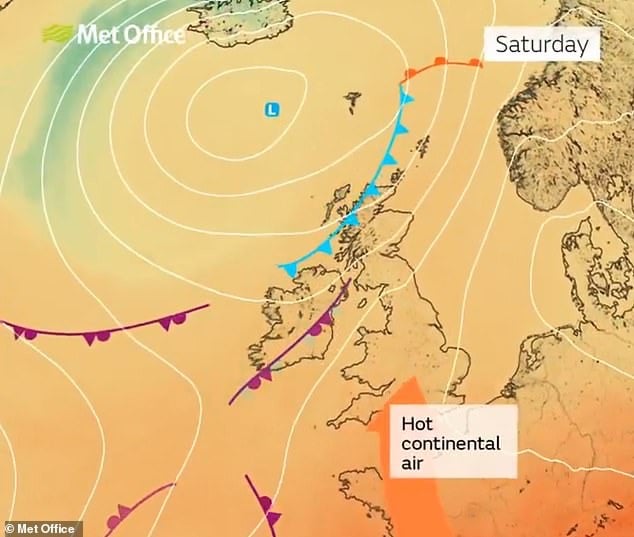
Britain is bracing for its sixth heatwave in three months, with temperatures set to climb above 30C again from this weekend as the country’s prolonged dry spell continues. The warm-up comes after a brief respite brought by cooler Atlantic air in recent days, during which Wisley in Surrey recorded its 50th consecutive dry day. Southerly winds are now expected to draw hot continental air across the UK, with forecasters suggesting the heatwave could last until at least Thursday and bring highs of up to 33C.
Health warnings issued
The UK Health Security Agency (UKHSA) has issued yellow Heat Health Alerts covering the South and Midlands of England, running from tomorrow until Tuesday, with officials saying these could be extended depending on how conditions develop. The agency has warned that the renewed high temperatures could place further pressure on the NHS, with more vulnerable people likely to require medical treatment as a result of the heat.
Health officials have advised people to stay hydrated, avoid strenuous activity during the hottest part of the day, keep their homes cool where possible, and check regularly on elderly relatives, neighbours and other vulnerable people during the period of extreme heat.
What counts as a heatwave
The Met Office defines a heatwave as three consecutive days on which daily maximum temperatures meet or exceed a threshold that varies by region. In London, that threshold is 28C, and current forecasts suggest this will be met on each day between tomorrow and Thursday, with highs expected to range between 28C and 33C.
Met Office meteorologist Honor Criswick said conditions were set to warm up again after several cooler days: “The warm weather is continuing once again.” She described today as a “nice, dry, settled day with quite a bit of warm sunshine around,” and said Northern Ireland and parts of Scotland could see some cloud and outbreaks of rain tomorrow, while the rest of the country enjoys another dry day with highs of around 29C across central and southern England and eastern parts of Wales.
Looking ahead to the weekend, Criswick said: “Where we see the sunshine, it’s going to start to turn quite increasingly warm on Saturday.” She added that temperatures would climb further into Sunday, with highs of between 30C and 32C likely somewhere across south or south-east England, as: “Saturday night going into Sunday, that’s a slightly warmer day, so temperatures are already going to be that bit higher starting off the day, which is why we’ll see a bit of an increase once again on Sunday.”
A summer of repeated heatwaves
This weekend’s warm spell will be the sixth heatwave of summer 2026, following an already exceptional run of hot weather. The first two heatwaves, in May and June, broke records and were linked to more than 2,800 excess deaths. Two further heatwaves followed in July, and a fifth was confirmed on Monday after both Worcestershire and Suffolk recorded three consecutive days above their respective thresholds.
Forecasters said temperatures had dropped closer to seasonal averages since Wednesday, offering a brief cooling period, but conditions are expected to climb again from tomorrow as the sixth heatwave takes hold. The Met Office says forecasts beyond several days remain subject to change, though current modelling suggests hot conditions could persist into the middle of next week before cooler Atlantic air potentially returns.
Drought conditions worsen
The renewed heat comes as large parts of the country remain in drought. According to the Environment Agency, several regions continue to experience below-average rainfall, leaving rivers, reservoirs and groundwater levels under sustained pressure. Water companies in parts of England have introduced or announced hosepipe bans and urged customers to conserve water as reservoir levels remain lower than usual for the time of year.
Farmers have also warned that the prolonged dry conditions are affecting crop yields, livestock grazing and irrigation supplies, raising concerns about agricultural production should rainfall continue to fall short of seasonal averages.
Wider impacts of the heat
Beyond the direct health risks, the hot weather is expected to place additional strain on the UK’s rail network, with operators sometimes forced to impose temporary speed restrictions because high temperatures can cause tracks to expand and overhead power lines to sag.
The dry, hot conditions also raise the risk of wildfires and grass fires, prompting fire services to renew warnings against using disposable barbecues in parks, open countryside or other areas of dry vegetation as the heatwave takes hold.
