



The Independent Office for Police Conduct has confirmed that the Metropolitan Police firearms officer who shot and killed Chris Kaba will face no disciplinary proceedings, following the officer’s acquittal on a murder charge and a subsequent change in the law governing armed police officers.
The Metropolitan Police officer who shot and killed Chris Kaba will not face any disciplinary proceedings, the Independent Office for Police Conduct has confirmed. The watchdog had already paused gross misconduct proceedings against the officer in January, and has now formally ended them altogether. The decision follows the officer’s acquittal on a murder charge at the Old Bailey and a subsequent change in legislation affecting armed police officers, and comes after Kaba’s death sparked protests and a wider debate over police use of lethal force.
The IOPC’s decision
Confirming the outcome, IOPC Director of Engagement Amanda Rowe said “our thoughts remain with Chris Kaba’s family and friends and everyone impacted by his death.” She said the watchdog had been mindful of the impact ongoing proceedings could have on everyone involved and had sought to avoid unnecessary delay, but that it had been right to pause the disciplinary process until the recent legislative changes took effect and their implications became clear. Having weighed both its own policy and representations from both the Kaba family and the officer, the IOPC said it had now formally notified both parties of its decision to withdraw the disciplinary proceedings entirely. Under the relevant legal framework, the IOPC retains the power to discontinue disciplinary proceedings where it concludes they are no longer appropriate, taking into account both the law and wider public interest considerations.
What happened to Chris Kaba
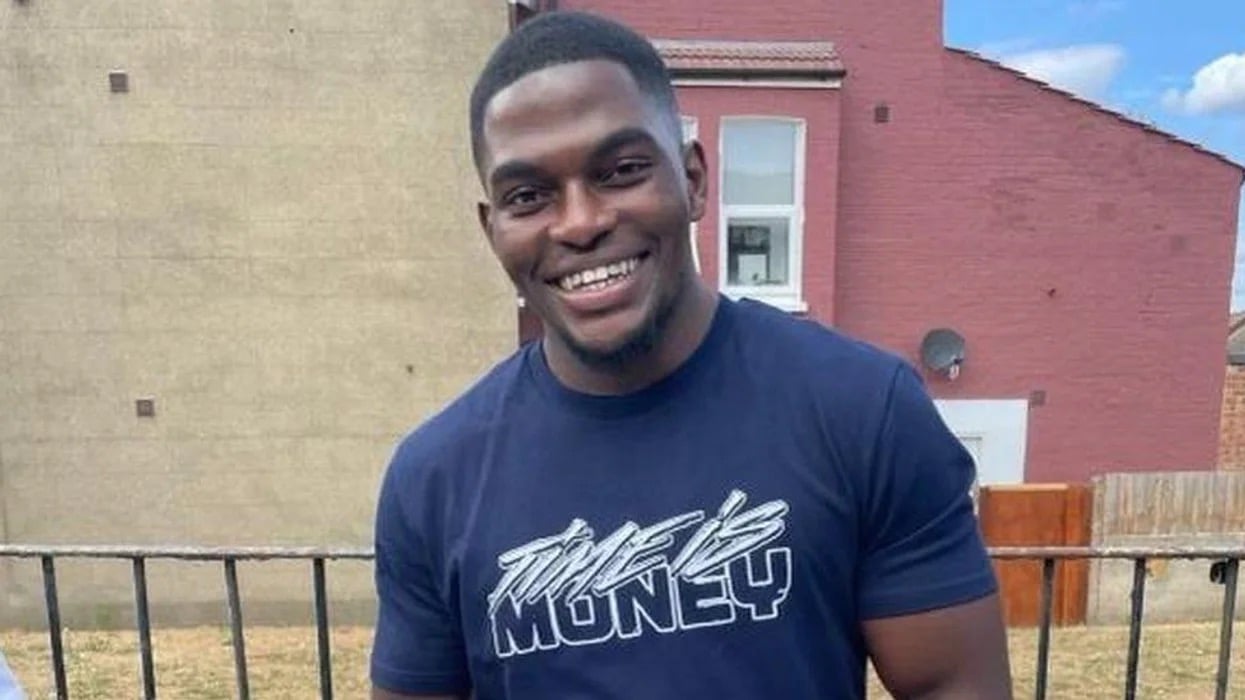
Chris Kaba, 24, was fatally shot by a Metropolitan Police firearms officer in Streatham Hill, south London, on 5 September 2022, after officers stopped a vehicle linked to a firearms incident that had taken place the previous day. His death prompted protests in London and renewed scrutiny of the Metropolitan Police’s use of lethal force.
The criminal trial
The officer involved, identified in court only as Martyn Blake, was tried for murder and pleaded not guilty. He was acquitted by a jury at the Old Bailey in October 2024.
A change in the law
Following the acquittal, the Home Office introduced legislative changes intended to give armed police officers greater certainty once criminal proceedings against them have concluded. It was this change, and the need to understand its practical impact, that the IOPC cited as the reason it had paused the disciplinary case against the officer before ultimately deciding to withdraw it.
Criminal proceedings versus disciplinary proceedings
The IOPC is the body responsible for independently investigating the most serious complaints and incidents involving police officers in England and Wales. Gross misconduct proceedings, such as those brought against the officer in this case, are separate from criminal prosecutions; rather than determining criminal guilt, they exist to establish whether an officer has breached the Standards of Professional Behaviour expected of them, a process that can potentially lead to dismissal even where no criminal conviction has been secured.
Impact on armed policing
The Metropolitan Police has said the case caused significant concern among its firearms officers, with some choosing to step back temporarily from armed duties following the initial decision to prosecute. The episode reignited a broader debate over police use of force, firearms policing and accountability more generally, with campaigners calling for greater transparency in how such cases are handled, while police representatives warned of the potential impact of criminal prosecutions on the willingness of officers to carry out armed duties.
What happens next
An inquest into Chris Kaba’s death is still expected to examine the circumstances surrounding the shooting, although its eventual scope may be shaped by the criminal trial and investigative proceedings that have already taken place.
