



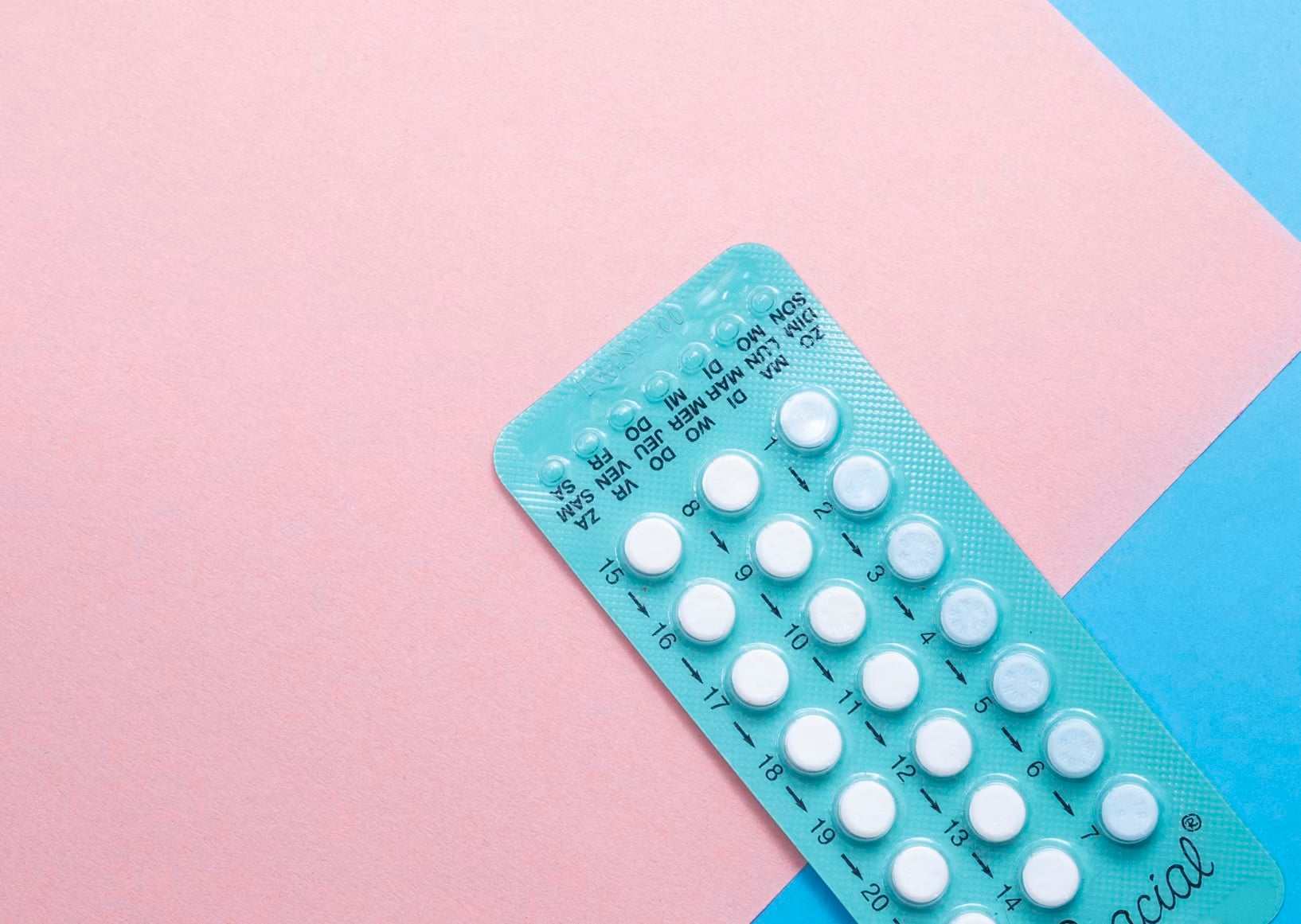
New figures from the NHS Business Services Authority show a record two million women in England received hormone replacement therapy last year, more than double the number five years ago, though the data also reveals stark differences in access depending on where women live.
A record two million women over the age of 40 were prescribed hormone replacement therapy on the NHS in 2025/26, according to new figures from the NHS Business Services Authority (NHSBSA). The total marks more than a doubling since 2020/21, when 800,000 women received HRT through the health service. Alongside the record overall figure, the data points to significant disparities in how HRT is being prescribed across different parts of England, with women in the most deprived areas considerably less likely to receive treatment than those in wealthier regions.
A record year for HRT
The sharp rise in prescriptions reflects a broader shift in recent years, with demand for HRT climbing steadily amid growing public awareness of the menopause, updated clinical guidance and a number of high-profile campaigns encouraging women to seek treatment for menopausal symptoms.
Stark regional disparities
Despite the overall rise, the NHSBSA figures expose considerable inequality in access. Less than one in ten women in the most deprived areas of England received an HRT prescription, compared with 14.2 per cent of women in the least deprived areas. The gap was starkest at a local level: Newham, in east London, recorded just four HRT prescriptions per 100 women last year, the lowest figure anywhere in England, while Brighton and Hove recorded 23 prescriptions per 100 women, among the highest.
What HRT does and who it’s for
HRT is prescribed to help manage the symptoms of menopause, working by replacing oestrogen and progesterone, the two primary female sex hormones that decline as women go through the menopause. According to the NHS, the treatment can help with symptoms including hot flushes, night sweats, sleep problems, mood swings, anxiety and vaginal dryness. It is available in a range of forms, including tablets, skin patches, gels, sprays, vaginal creams, pessaries and rings, allowing treatment to be tailored to individual patients. Women who still have a womb are usually prescribed a combination of oestrogen and progesterone, while those who have had a hysterectomy can often take oestrogen-only HRT. Transdermal forms of HRT, delivered through patches, gels or sprays, are associated with a lower risk of blood clots than oral HRT, since they bypass the liver.
Weighing the benefits and risks
Current guidance from the NHS and the National Institute for Health and Care Excellence (NICE) states that, for most women, the benefits of HRT outweigh the risks when used to treat menopausal symptoms. Research suggests that starting HRT before the age of 60, or within ten years of the menopause, generally offers the most favourable balance of benefits and risks, and the treatment has also been shown to help maintain bone density, reducing the risk of osteoporosis and fractures in postmenopausal women. That said, HRT is not suitable for everyone, including some women with certain hormone-sensitive cancers, untreated high blood pressure, or a history of blood clots, depending on individual medical circumstances. Experts generally recommend that treatment decisions be made on an individual basis, with women reviewing the benefits and risks of continuing HRT with their healthcare professional on an annual basis.
Supply pressures behind the scenes
The sharp rise in demand has not been without its challenges. Shortages affecting some HRT products have periodically been linked to a combination of surging demand, manufacturing delays and wider global supply chain pressures, prompting the NHS to issue temporary prescribing guidance for clinicians at various points. Shortages of certain strengths of Estradot, a widely used HRT patch, are now among the longest-running medicine shortages in NHS history, underlining the importance of supply chains keeping pace with changing prescribing habits, both to avoid worsening access for patients and to reduce added pressure on already stretched pharmacy teams.
The cost of treatment
To help manage the cost of ongoing treatment, England introduced an HRT Prescription Prepayment Certificate in April 2023, allowing eligible patients to obtain unlimited NHS HRT prescriptions for a fixed annual fee. The NHSBSA is reminding women currently taking HRT that they can purchase the certificate for £19.80 to cover their prescription charges for a full 12 months. Without the certificate, each individual HRT prescription costs £9.90.
