



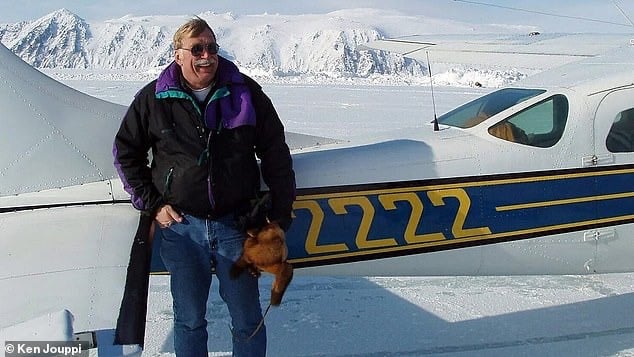
Kenneth Jouppi, an Alaska bush pilot now in his 80s, has spent more than a decade fighting the state’s confiscation of his $95,000 Cessna after a passenger tried to smuggle beer into a “dry” village, and his case will now be heard by the US Supreme Court.
A veteran Alaska bush pilot’s decade-long battle to reclaim his aircraft from the state is finally headed to the US Supreme Court. Kenneth Jouppi, now in his 80s, was convicted of a misdemeanour alcohol transportation offence after a 2012 flight to the remote village of Beaver, one of Alaska’s “dry” communities where alcohol is banned. While Jouppi’s own punishment was relatively minor, the state went on to seize his 1969 Cessna aircraft, worth close to $100,000, arguing it had been used to facilitate the crime. On 20 July, the Supreme Court agreed to hear his appeal, setting up a major test of the Eighth Amendment’s Excessive Fines Clause.
How the case began
The dispute traces back to April 2012, when Jouppi was preparing to fly a passenger from Fairbanks to Beaver, a sparsely populated village around 100 miles northeast of the city. Beaver is one of dozens of Alaska communities that have voted to restrict or prohibit the importation, sale or possession of alcohol, making it illegal to bring alcoholic beverages into the village. Jouppi’s passenger, Helen Nicholia, had attempted to conceal 72 cans of beer among her other groceries, but the plan fell apart when state troopers searched the plane before departure and noticed a six-pack of Budweiser poking out of a shopping bag.
Jouppi, his company and Nicholia were all charged with the misdemeanour offence of knowingly transporting alcohol into a dry community. Nicholia pleaded guilty, but that did little to help Jouppi’s case. He was ultimately sentenced to three days in jail, three years of probation and a $1,500 fine.
A far costlier penalty
The criminal sentence was not the end of the matter. Alaska also pursued the forfeiture of Jouppi’s aircraft, arguing that because the plane had been used in the commission of the offence, it could lawfully be seized under state law. The 1969 Cessna, a workhorse bush plane central to Jouppi’s livelihood, was valued at around $95,000, despite the underlying offence carrying a maximum fine of just $10,000. In the state’s view, seizing a plane worth roughly nine and a half times the maximum statutory fine was not excessive, arguing in a legal filing that such a ratio was “not grossly disproportional.”
Jouppi has consistently argued the opposite, maintaining that confiscating an aircraft worth tens of thousands of dollars over a misdemeanour involving a relatively modest quantity of alcohol is wildly disproportionate to the offence. His lawyers argue that while states are entitled to punish criminal conduct, the Constitution prohibits penalties that are grossly excessive in relation to the crime committed, and stress that the plane was essential to his livelihood as a bush pilot serving remote Alaskan communities. Such aircraft play a vital role in rural Alaska, where many villages lack road access and rely on planes to bring in passengers, food, mail and medical supplies.
Why Alaska defends the forfeiture
Alaska has countered that the aircraft was an “instrumentality” of the crime, meaning it was directly used to carry out the offence and was therefore properly subject to forfeiture under state law. The Alaska Supreme Court agreed, ruling that the forfeiture was not unconstitutional despite the significant value of the plane. In reaching its decision, the state court pointed to the serious harm alcohol abuse has caused in many rural Alaska communities, concluding that lawmakers were entitled to impose severe penalties to deter the illegal transport of alcohol. Alaska’s dry-community laws were themselves introduced in response to longstanding concerns about alcohol-related violence, accidents, domestic abuse and public health problems in some rural areas.
Responding to Jouppi’s appeal, lawyers from the Alaska Attorney General’s office wrote that courts nationally rely on “a multi-factor test to determine whether a fine or forfeiture is grossly disproportional” to the seriousness of the offence, and argued that Jouppi was not disputing the legitimacy of that four-part test itself, but rather how the Alaska Supreme Court had weighed the various factors within it.
A case with national implications
Jouppi’s appeal is being handled by the Institute for Justice, a libertarian-leaning public interest law firm that regularly challenges civil forfeiture and government seizure laws on constitutional grounds. The Supreme Court has agreed to hear the case during its 2026–27 term, and its ruling is expected to carry significance well beyond Alaska. The Excessive Fines Clause, which the Supreme Court has previously confirmed applies to state governments as well as the federal government, prohibits punishments that are grossly disproportionate to the offence committed, but courts around the country remain divided on precisely how that standard should be applied to forfeiture cases.
Legal experts say the eventual ruling could shape thousands of future asset forfeiture cases involving vehicles, boats, homes, cash and other property connected to alleged crimes. Civil liberties groups argue forfeiture laws can sometimes impose disproportionate financial penalties on individuals, while supporters maintain that such laws remain an important tool for deterring crime and preventing property from being used to facilitate illegal activity. Should Jouppi succeed, the ruling could require courts nationwide to apply stricter constitutional limits when governments seek to confiscate valuable property over relatively minor criminal convictions.
