



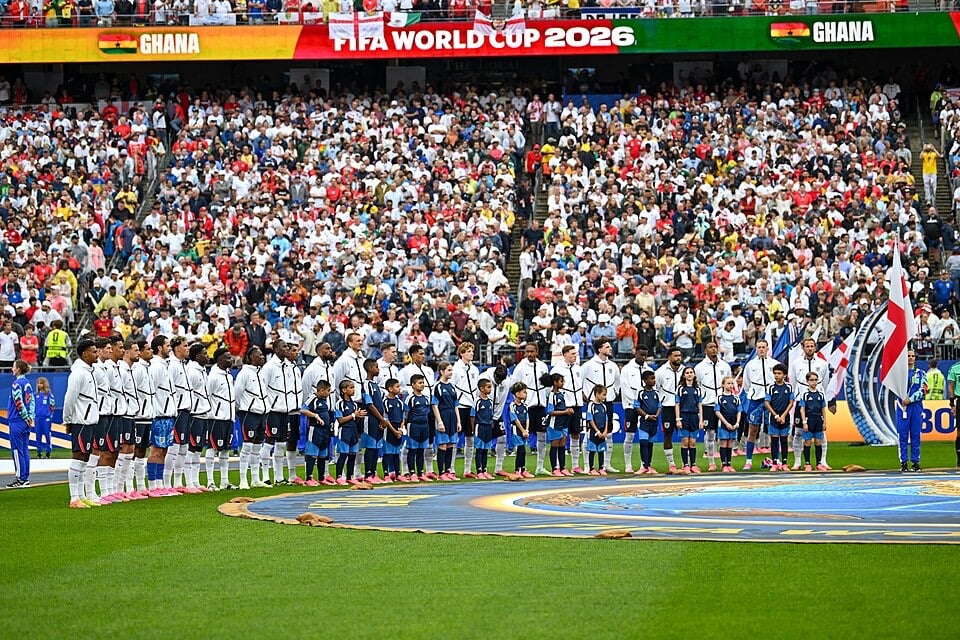
UK economic growth slowed to 0.4% in the second quarter of the year, official figures show, as warm weather and World Cup-related spending helped cushion the impact of rising energy costs linked to the ongoing conflict stemming from the US war on Iran.
The UK economy grew by 0.4% in the second quarter of the year, down from 0.6% in the first quarter, according to the latest official figures. Monthly GDP data showed the economy expanded by 0.3% in June alone, driven largely by the services sector, unusually warm weather and the start of the football World Cup. The slowdown comes as the ongoing conflict stemming from Donald Trump’s war on Iran continues to push up energy costs and strain household finances across the UK.
A weaker but still positive quarter
While the pace of growth has eased compared with the first quarter, it is worth noting that 0.4% quarterly growth still represents expansion rather than contraction; the UK economy has not shrunk. The central concern for economists is not that growth has stopped, but that the rate of expansion has slowed at a time when households and businesses continue to face elevated costs.
June’s improved monthly performance, at 0.3%, followed a weaker showing earlier in the quarter, with the services sector acting as the main driver of growth. Because services remain the dominant part of the UK economy, stronger activity in areas such as hospitality, retail and recreation can have a disproportionately large effect on the headline monthly GDP figure.
What boosted growth
Two factors in particular appear to have supported consumer-facing businesses during the quarter. Unusually warm weather provided a lift to sectors including hospitality, tourism and outdoor leisure, as people spent more time and money outdoors. At the same time, the start of the football World Cup gave a temporary boost to spending, with pubs, restaurants and other hospitality businesses benefiting as people gathered to watch matches and socialise.
The drag from rising energy costs
These gains came despite significant pressure from higher energy prices linked to the ongoing conflict stemming from the US war on Iran. Higher energy costs tend to have a particularly broad impact across the economy, since they raise the cost of transport, manufacturing, heating and electricity all at once, while also reducing the amount of money households have left over for discretionary spending.
Given how closely tied the UK’s economic performance remains to consumer spending, household confidence and disposable income will remain important indicators to watch in the months ahead, particularly if energy costs stay elevated.
Government response
Chancellor John Healey and Prime Minister Andy Burnham pledged to maintain economic resilience and to deliver growth across all parts of the UK, rather than growth being concentrated in London and the South East. The latest figures represent an early test of that pledge, given the uneven way in which different sectors and regions tend to benefit from short-term boosts such as favourable weather or major sporting events.
Calls for action ahead of the Budget
Business leaders and trade unions have urged the Government to use the Autumn Budget to reduce costs for companies and reform fiscal institutions. Business groups in particular are pushing for measures that would provide greater certainty for firms, especially around taxation, investment and employment, as they look to plan for the months ahead.
What comes next
Economists will be watching closely to see whether the expansion seen in the second quarter can be sustained through the rest of the year, particularly if energy prices remain elevated. The coming months are likely to prove especially significant: should the boost from warm weather and World Cup-related spending fade while energy costs stay high, underlying growth could come under renewed pressure heading into the autumn.
