



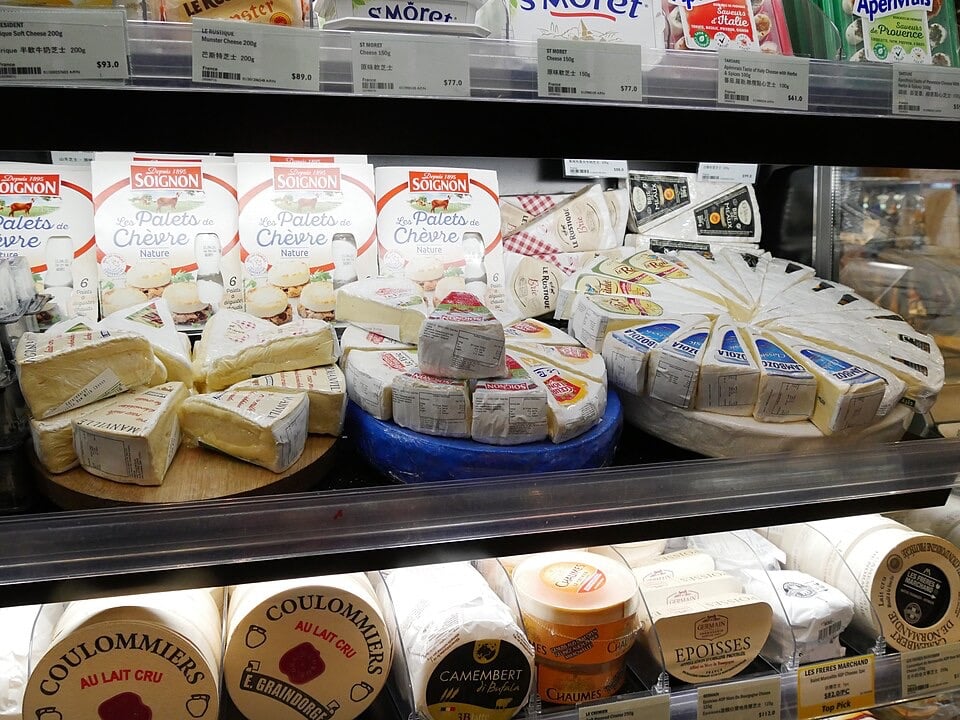
Health experts have issued a fresh warning over the risks posed by trendy “raw” unpasteurised cheeses, after a man died from listeria poisoning linked to an artisan cheese box and his widow launched a six-figure lawsuit against the producer.
West Sussex painter Roger Parkes fell seriously ill and died in February 2023, days after eating cheeses from a “Valentine box” purchased by his wife Carina. An inquest concluded he died from multiple organ failure and meningitis linked to a listeria infection. Following his death, Wiltshire-based producer The Old Cheese Room recalled batches of its Baronet Reblochon. Carina Parkes is now suing the company for more than £200,000.
The case has prompted renewed scrutiny of raw-milk cheeses, which include some of the world’s most popular varieties such as Brie de Meaux, Comté and Parmigiano Reggiano. Unlike pasteurised products, raw-milk cheeses are made without heat-treating the milk to kill bacteria — a process supporters say preserves flavour and beneficial microbes, but which experts warn can also allow dangerous pathogens to survive.
Professor Catherine Rees, a microbiologist at the University of Nottingham, told The Telegraph that listeria poses a particular concern in raw-milk cheeses because of its resilience. “Listeria is the one everyone in the industry worries about,” she said. “Unlike many other bacteria, it can survive and slowly multiply in the fridge.”
Listeriosis, caused by the bacterium Listeria monocytogenes, typically causes mild flu-like symptoms including fever, muscle aches and nausea. However, in vulnerable groups — including the elderly, pregnant women and those with weakened immune systems — it can become life-threatening, spreading to the bloodstream and brain and causing sepsis or meningitis. Pasteurisation usually kills the bacteria, meaning it is more commonly associated with raw dairy products as well as other ready-to-eat foods such as deli meats, smoked fish and pre-packaged sandwiches. Crucially, contaminated produce may show no visible or detectable signs of spoilage.
According to the latest UK Health Security Agency figures, 179 cases of listeriosis were reported in England and Wales in 2024, with 28 deaths recorded among non-pregnancy-related cases. Seven outbreaks were investigated during the year, linked to foods including smoked fish, chocolate mousse, strawberry desserts and pre-packed sandwiches. Experts stress that infection remains relatively rare given the vast quantities of food consumed annually.
Food safety specialist Sylvia Anderson told The Telegraph that the UK food industry operates under strict oversight. “There are controls, testing and serious penalties for companies that fail to meet safety standards,” she said. “If listeria is found in a product, something has gone wrong in the production process.” Even so, contamination can occur at multiple points in the supply chain — including after pasteurisation — through poorly cleaned equipment or cross-contamination.
Industry voices have defended the value of raw-milk products despite the risks. London artisanal retailer Neal’s Yard Dairy said: “The worst thing about pasteurisation is also the best thing about pasteurisation: it kills microorganisms in milk” — including both harmful bacteria and the beneficial microbes that contribute to flavour and character.
Consumers also have a role to play in minimising risk, as listeria is widespread in the environment and can contaminate food at home if products are left at room temperature or kept beyond their use-by date. Food safety guidance recommends keeping raw-milk cheeses refrigerated, consuming them promptly once opened, and avoiding leaving them out for extended periods, since bacteria can multiply rapidly once conditions allow. Thorough cooking will kill listeria and significantly reduce the risk of infection.
While most people can safely enjoy artisan cheeses, health experts advise those in higher-risk groups to exercise extra caution or avoid unpasteurised products altogether — a message they say carries growing weight as the popularity of raw dairy continues to rise across the UK.
