



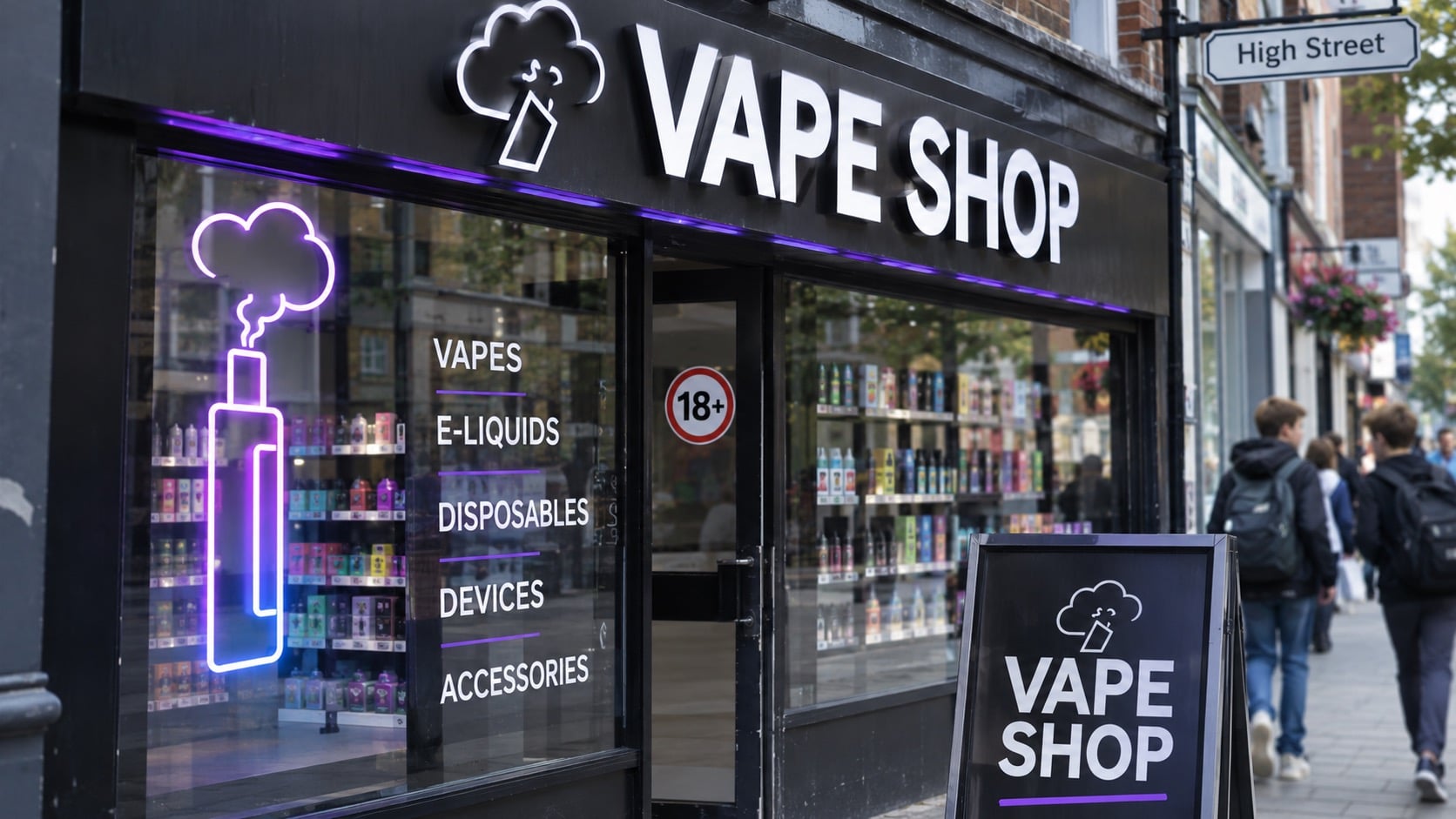
The Budget removes two forms of rates support from specialist vape retailers in England, one of several measures aimed at curbing a habit that around one in five children has tried
Specialist vape shops in England will lose access to two forms of business rates relief from 1 April 2027, the Budget confirmed on 28 October. They will no longer qualify for Small Business Rates Relief or for the lower retail, hospitality and leisure (RHL) multipliers. The Treasury expects the change, which also hits adult gaming centres, to raise £10m a year. It comes as Action on Smoking and Health (ASH) reports that 19% of 11- to 17-year-olds in Great Britain, about 1.1 million children, have tried vaping.
What the Budget changes
Adult gaming centres will lose the RHL multipliers only, whereas vape shops are also excluded from Small Business Rates Relief. The £10m annual forecast runs from 2027-28 to 2031-32 and covers both types of business, not vape shops alone. Business rates are devolved, so the change applies directly to England. The Scottish, Welsh and Northern Ireland governments receive corresponding funding through the Barnett formula and decide for themselves whether to follow suit.
The measure sits within a wider reshuffle of high-street support. From April 2027, pubs, social clubs and most live music venues in England will get an extra 20% rates relief, taking their total to 35%, according to a ministerial statement.
Other measures already in place
A new Vaping Products Duty took effect on 1 October 2026, set at £2.20 per 10ml of liquid regardless of nicotine strength. A 2ml pod therefore attracts 44p of duty and a 100ml bottle £22. HM Treasury projects revenue of £135m in 2026-27, rising to £400m in 2027-28 and £565m by 2030-31. Restrictions on selling unstamped vaping liquids start on 1 April 2027, the same day as the rates change.
The Tobacco and Vapes Act received Royal Assent on 8 May 2026. It gives powers over vape advertising, product requirements, retail licensing and vape-free places, though not every provision is yet in force. From 1 January 2027, tobacco cannot be sold to anyone born on or after 1 January 2009. That rule applies to tobacco, not to adults buying nicotine vapes. Single-use vapes have been banned across the UK since 1 June 2025, but reusable devices remain legal for adults.
Separately, Government proposals announced in August would make opening a specialist vape shop require planning permission, closing a route by which they register as convenience stores. The plan envisaged a six-week consultation and implementation in early 2027. Existing shops would not automatically lose permission.
How many children vape?
ASH and YouGov’s 2026 survey puts current vaping among 11- to 17-year-olds at 6%, about 370,000 children, with 2% (140,000) vaping daily. Among 16- and 17-year-olds, 13% currently vape, against 4% of 11- to 15-year-olds. The share who have ever tried vaping has held at roughly 18% to 20% since 2023, so the figures show a plateau, not a steady rise.
About 39% of children who have tried vaping have never smoked, but only 1% of never-smokers currently vape. More than half of young current smokers (52%) also vape.
ASH found that 75% of 11- to 17-year-olds had seen vape promotion in 2026, up from 56% in 2022. Half reported seeing it in shops. Of those who had seen it online, 45% named TikTok. In the survey, 77% of young vapers said getting a vape was easy, and 74% of those who had tried one were given their first device, most often by a friend. That suggests action on shops would not close every route to children.
Where the shops are
Research published in August by the Geographic Data Service ranked high streets by the share of retail premises occupied by vape shops, with the Great Britain average set at 100. Bury New Road in Strangeways, Manchester, scored 2,239, followed by Cowgate in Kirkintilloch (1,034) and Heanor in Derbyshire (946). The index is not a count of shops.
