



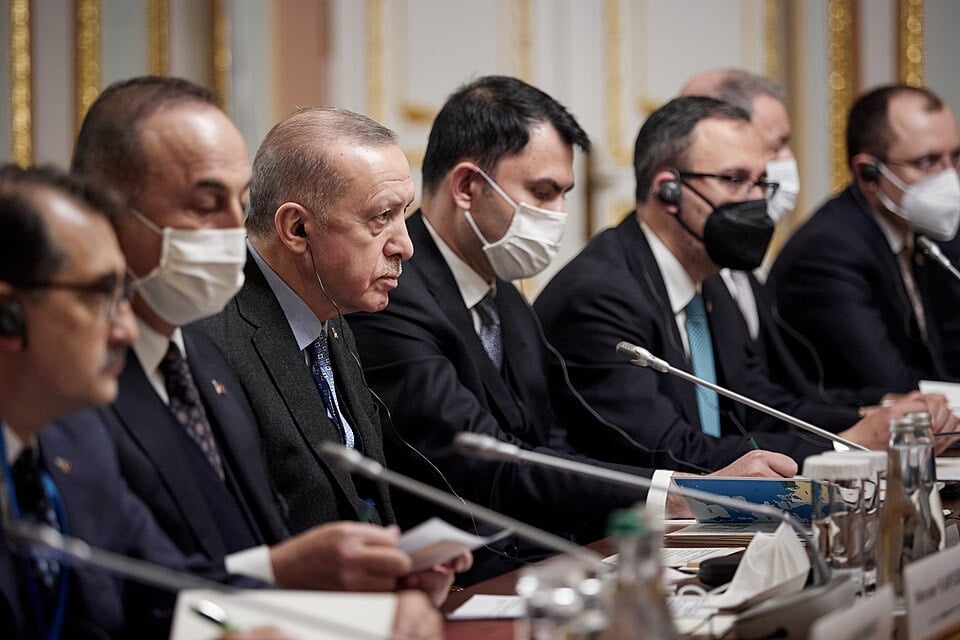
Summit president Murat Kurum says no new text will be offered after delegations turned down the 10-page proposal. Some separate decisions, including on a just transition, were adopted.
The COP31 climate summit in Turkey has ended without agreement on its overarching deal after the European Union, the UK and other delegations rejected the final draft. Summit president Murat Kurum confirmed on 22 November that officials would not put forward another text. He said he understood the conference had missed an opportunity. He added that delegations had done everything they could and that the presidency had not imposed the draft on anyone. The rejected 10-page text made no explicit mention of fossil fuels.
What was in the rejected text
The Associated Press examined the final proposal and found it omitted the words “fossil”, “oil”, “coal” and “phase out”. It referred to the 2023 Dubai climate agreement but did not repeat that deal’s commitment to transition away from fossil fuels.
The BBC reported that the first draft, published on 16 November, had stronger fossil-fuel language. Later versions weakened it, and a revision on Thursday 19 November removed explicit references to coal, oil and gas. European negotiators objected. The Financial Times reported that Saudi Arabia opposed explicit fossil-fuel wording, arguing that developing countries should keep flexibility over how they meet their energy needs, and that Russia backed leaving it out.
The draft proposed capturing, reusing and storing one billion metric tonnes of carbon dioxide, giving prominence to carbon-capture and storage technologies, according to AP. The Financial Times reported that oil-producing countries supported the technology as a way to cut emissions while continuing some fossil-fuel production. Critics argued it could delay direct reductions in coal, oil and gas use. Al-Monitor reported that the draft also acknowledged that global warming was on course to exceed 1.5°C and called for faster development of carbon-removal technology.
It also contained Turkey’s proposed “35 by 35” target, which sought to raise electricity’s share of global final energy use from 21% to 35% by 2035. Climate Analytics chief executive Bill Hare warned that electrification relying on coal and gas would not adequately address warming, AP reported. Because the overarching text was not adopted, the target is not a binding international commitment.
Who objected
Darragh O’Brien, Ireland’s climate minister, spoke on behalf of the EU, according to AP. He rejected the text because it did not explicitly address fossil fuels and warned against reversing earlier commitments. The UK’s lead negotiator, Kate Hughes, separately opposed the proposal, according to Moneycontrol. The UK said the text did not match the urgency of the climate challenge. The Marshall Islands objected to inadequate provisions for vulnerable countries. Panama opposed what it saw as weaknesses on fossil fuels and finance. The Guardian reported that Norway and Vanuatu were also among the objecting delegations in the closing plenary.
Finance was a second source of opposition. AFP reported that a $120bn target for climate adaptation, included in an earlier draft, was dropped from the final proposal, angering developing countries that want predictable funding to prepare for extreme weather. Reuters reported that developing nations wanted clearer commitments on adaptation funding, technology transfer and support for climate-related losses.
Criticism of the process
Antwi-Boasiako Amoah, a Ghanaian negotiator speaking for the 54 countries of the African Group, accused the presidency of disregarding the group’s concerns, AP reported. Reuters reported that the Philippines demanded stronger financial support for mitigation, adaptation and climate-related losses. Nepal expressed disappointment that the conference had not produced an overarching decision. The Least Developed Countries group said the draft did not deliver meaningful outcomes for the countries most exposed to climate impacts.
AP reported that negotiators had about three hours to review the final proposal before the closing meeting. It also reported that a live microphone picked up Mr Kurum telling UN climate chief Simon Stiell to sit down as Mr Stiell tried to advise him on procedure. Reuters reported that Mr Kurum left the stage while delegates were still making statements, after confirming he would not propose another draft.
What was agreed and what comes next
Delegates did adopt decisions on some technical and related matters, including just-transition arrangements, according to the Guardian. These were approved separately from the rejected overarching Antalya Pact. Reuters reported that existing Paris Agreement commitments remain in force.
The next COP is scheduled for Addis Ababa, Ethiopia, in November 2027, AP reported. The disputes over fossil fuels, climate finance and carbon removal are likely to return, though the agenda has not been settled.
How the talks unravelled
- 16 November: first draft includes stronger language on the fossil-fuel transition
- 19 November: revised draft removes explicit references to fossil fuels
- 20 November: scheduled closing date passes without agreement
- 21 November: the EU and others warn they will not accept weak language
- Early 22 November: third draft circulated, keeping the electrification and carbon-capture provisions
- 22 November: EU, UK and other delegations formally oppose the proposal; Mr Kurum confirms the agreement has not been adopted
