



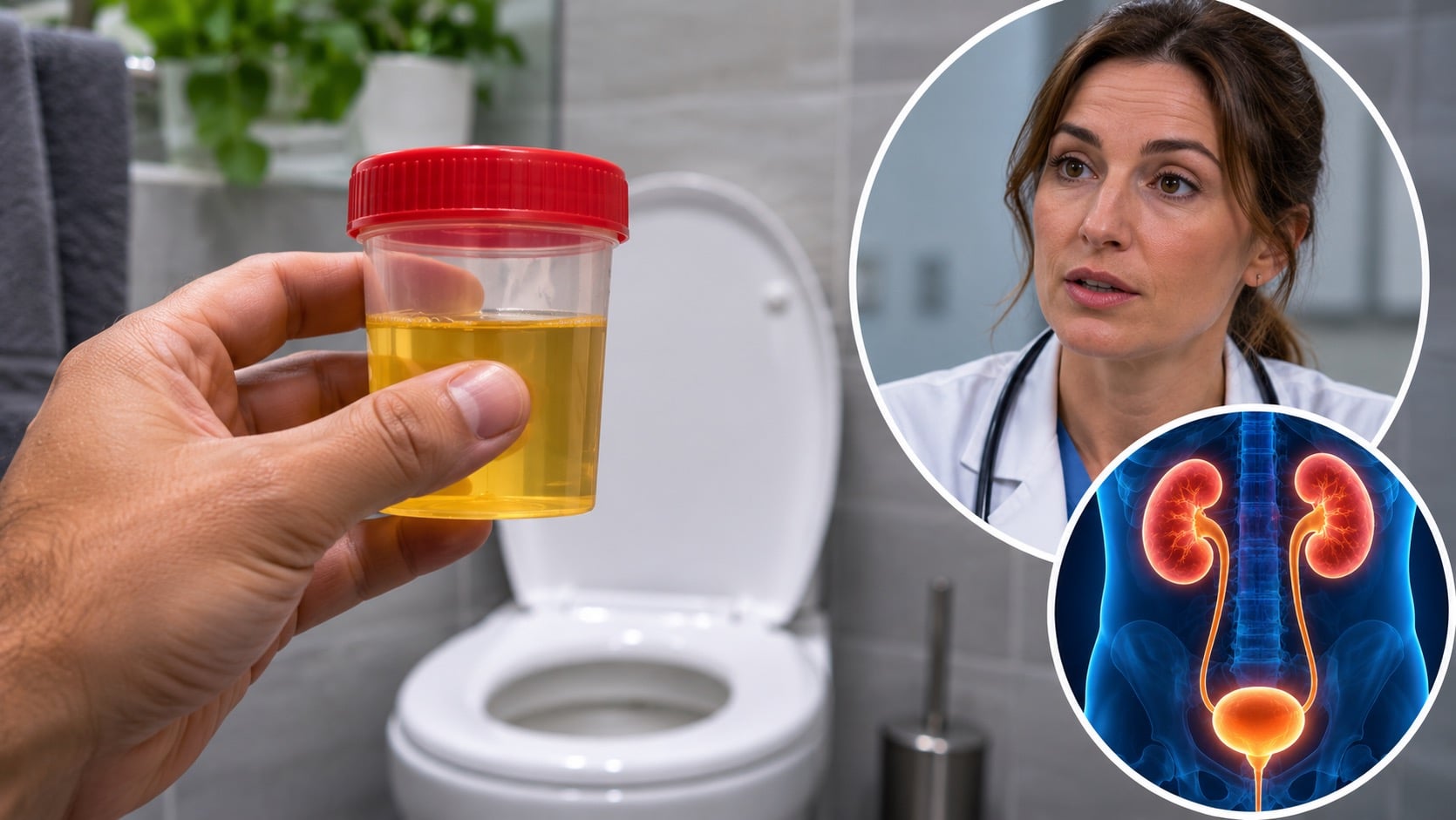
Dr Clair Grainger says most changes are linked to food, drink or dehydration, but some can point to infection or an underlying condition. NHS guidance says smell alone cannot diagnose a serious illness.
A change in the smell of urine is usually harmless, but in some cases it can be a sign that something needs medical attention, according to a GP at Superdrug Online Doctor. Dr Clair Grainger said most variations come down to what a person has eaten or how much they have drunk, but advised people to learn what is normal for them and to notice when it changes. She has described six smells, including one she says calls for urgent help. The NHS says a smell alone cannot confirm a condition and that doctors rely on symptoms and tests.
What the GP says
“It’s completely normal for your wee to smell slightly different from time to time, and in most cases, it’s down to something as simple as dehydration or what you’ve eaten that day,” Dr Grainger said. “However, your urine can sometimes provide clues about what’s happening inside your body, and certain changes may be linked to infections or underlying health conditions that need medical attention.”
Coffee. She said coffee contains compounds the body breaks down and excretes in urine, which can make the smell more noticeable. Caffeine can also have a mild diuretic effect, particularly in people not used to it, which can concentrate urine. “It’s not usually anything to worry about,” she said, “but if your wee is dark yellow and has a strong smell, it could be a sign that you’re not drinking enough hydrating fluids throughout the day.”
Food. Dr Grainger said some foods contain compounds that are broken down in digestion and passed out in urine. Asparagus is the best-known example because of its sulphur-containing compounds, which can change the smell within hours. Garlic, onions and some spices can also affect it. “These changes are generally harmless and should disappear once the food has passed through your system,” she said.
Dehydration. When someone is dehydrated, she said, the kidneys produce less urine to conserve water, so waste products become more concentrated. That can make urine darker and give it a stronger, ammonia-like smell. It is particularly common first thing in the morning, after exercise or in warm weather. Drinking water regularly should help, and urine should ideally be pale yellow. “If the smell persists despite staying well hydrated, it’s worth speaking to a healthcare professional,” she said.
The most serious warning: ketoacidosis
The NHS says a fruity or sweet smell, like pear drops or nail-polish remover, can be associated with diabetic ketoacidosis (DKA). It identifies this smell on a person’s breath. Urine may also smell unusual, but the smell of urine alone cannot establish DKA.
Diabetes UK says DKA can be life-threatening because the blood becomes dangerously acidic. It occurs when too little insulin allows ketones to build up, and without treatment it can cause severe dehydration, altered consciousness and death. The NHS says it can be the first sign of previously undiagnosed diabetes, with symptoms including excessive thirst, frequent urination, abdominal pain, vomiting and fruity-smelling breath. The US Centers for Disease Control and Prevention (CDC) adds rapid breathing, extreme fatigue, nausea and confusion. Symptoms can develop within 24 hours or faster.
For people with diabetes, NHS guidance sets out these blood ketone levels:
- Below 0.6 mmol/L: normal
- 0.6–1.5 mmol/L: slightly raised; repeat the test and follow diabetes guidance
- 1.6–3.0 mmol/L: risk of DKA; contact the diabetes care team or NHS 111 urgently
- Above 3.0 mmol/L: possible DKA; go to A&E immediately
The NHS says a urine ketone reading above 2+ is also an emergency warning and needs immediate assessment. It advises people with symptoms of DKA who do not know their ketone levels to call 999 or go to A&E, particularly if there is confusion, marked drowsiness or breathing difficulty.
Diabetes UK says a ketogenic diet or prolonged fasting can produce measurable ketones without causing DKA, a state it calls nutritional ketosis. It says urine ketone strips are less reliable than blood tests for acute DKA, because they measure acetoacetate while the main ketone raised in DKA is beta-hydroxybutyrate. DKA can occasionally occur without markedly high blood glucose, particularly in people taking SGLT2 inhibitor diabetes medicines, according to clinicians cited in an international consensus report. A normal-looking glucose reading should therefore not rule it out when there are significant symptoms.
Other causes of unusual smells
MedlinePlus, from the US National Library of Medicine, says uncontrolled diabetes can cause sweet-smelling urine when excess glucose passes into it. Liver disease and some metabolic disorders may cause a musty smell. The Mayo Clinic says rare inherited conditions can also cause characteristic odours, such as maple syrup urine disease, which is generally identified in infancy. These are uncommon and odour alone is not enough for a diagnosis.
On infection, the NHS says smell changes alone are often harmless and cannot confirm a urinary tract infection. It is more concerning when the smell comes with burning, frequent urination or cloudy urine. Fever, shivering, pain in the back or under the ribs, and blood in the urine alongside urinary symptoms need more urgent attention because they can point to a kidney infection. The NHS also lists vitamin B6 supplements, food, drinks and dehydration among common harmless explanations.
The limits of smell
Poison Control notes that urine contains many volatile compounds that change with hydration, diet, medication and metabolism. Researchers have looked at urinary chemical patterns as possible indicators of disease, but a particular smell is not a validated diagnostic test. The NHS says concentrated urine can make existing odours more noticeable, so one unusually strong smell, especially overnight or after exercise, does not necessarily mean illness. The National Institute for Health and Care Excellence (NICE) guidance points to blood glucose, blood ketones, urine tests and, where appropriate, blood chemistry to investigate suspected diabetes complications.
