



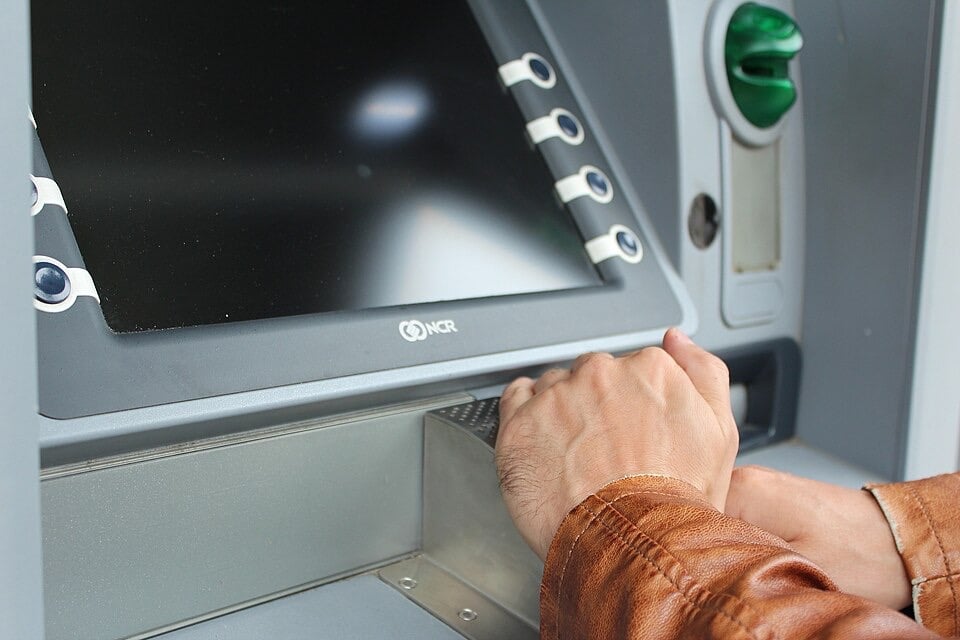
Cash machine operator Link reports record average withdrawals on a Saturday and Sunday as households are urged to prepare for disruption, though it says the data does not prove why people are taking out more
Average cash withdrawals hit record levels after the Government launched its “Be Ready” campaign urging households to prepare for emergencies. The ATM network Link said the typical withdrawal on Saturday 24 October was £95, the highest for any Saturday since its records began in 2014, up from £90 the week before. The figures follow ministers’ advice to keep essentials, and some notes and coins, in case a war, cyberattack or natural disaster knocks out payment systems. Link has not established that the extra cash is being taken out because of the campaign.
What the figures show
Graham Mott of Link said: “What’s interesting is that when people are going to ATMs they are withdrawing more.” Across two weekdays, £429m was taken out of cash machines, £46m more than on the same days the week before, according to the figures reported at the time. The Press Association reported that the average withdrawal on Friday 23 October exceeded £100, the highest Friday since July, and that on Sunday 25 October it topped £90 for the first time on record.
Link’s published monthly data runs only to September, so it cannot yet confirm an October record for total cash withdrawn. Link says about £1.5bn is normally withdrawn from its network each week and that machines are well stocked. It said more than 33,000 free-to-use cash machines remain available.
Longer-term decline
The latest increase comes against a long fall in cash use. Link says £76.7bn was withdrawn from its machines in 2025, down from about £80bn in 2024 and £81.4bn in 2023. ATM transactions fell to 1.3bn last year from 3.2bn a decade ago. UK Finance reports cash payment volumes fell 77% between 2015 and 2025. The House of Commons Library says cash accounted for 9% of UK payments in 2024, though about 5% of adults rely heavily on it.
What the Government is asking
The Cabinet Office announced Be Ready on 22 October as the first stage of a three-year campaign, developed with more than 500 organisations. It builds on the Prepare advice first published in May 2024, which has largely not changed. Security Minister Dan Jarvis formally launched it. Defence Secretary Wes Streeting said people should think about what they would do in a natural disaster, a cyberattack or a terrorist attack on supply chains. He later called the public response “encouraging” and said he had begun stockpiling tins and bottled water weeks earlier: “I am trying to lead by example.”
The official checklist advises three days of supplies, which works out at nine litres of drinking water per person, and a mix of notes and coins. It sets no fixed sum. Link has gone further, recommending about £50 per adult and £25 per child, which is £150 for a family of four.
Link’s March survey found only 17% of people kept emergency cash at home. The British Red Cross said on 30 October that only about 40% of people feel able to protect themselves and their households in a disaster, and stressed that the 72-hour guidance is not a call to stockpile or panic-buy. Retailers are not generally required to accept cash, so having it on hand does not guarantee every shop will take it.
Criticism
The Daily Mail reported that sales of bottled water, loo roll and wind-up radios rose after the alert, and that Ocado temporarily ran out of 40 varieties of tinned soup. Lord Hannah, of the Institute of Economic Affairs, told the paper: “Britain is not a country on the brink of catastrophe. The last thing we need is a Government encouraging people to panic.” The Mail also cited a snap poll in which 49% called the advice “an insulting waste of time and money” and a quarter found it “timely and helpful”.
