


The club’s active supporter group had threatened a boycott after alleging a teenage fan was assaulted and its leaders were handcuffed and ejected. Talks involving the club, NSW Police and stadium operators have produced a deal.
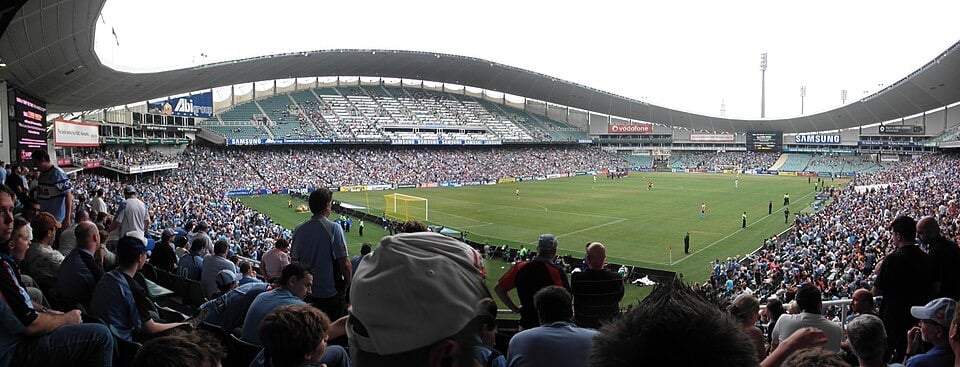
Sydney FC’s active supporter group, The Cove, will return to the stands on Friday night for the first time since the October derby against Western Sydney Wanderers. The group had threatened to boycott matches after alleging that police assaulted a teenage fan and handcuffed and removed its leaders at Allianz Stadium. It will be back for the home match against Central Coast Mariners in Moore Park, Sydney, after talks involving the club, NSW Police, Venues NSW and stadium security.
The derby allegations
The dispute followed the 16 October derby, a goalless match attended by more than 30,000 people at Allianz Stadium. The Cove accused police of the “worst policing standards” in the fixture’s 14-year history and called on the club to defend its supporters.
The group alleged that a 17-year-old supporter was repeatedly slammed into safe-standing rails by police and then struck in the back of the head. It also claimed that two chant leaders, known as capos, were removed from the stadium. Five members of its leadership were handcuffed, pressed against walls and ejected without later being charged, it said.
According to The Cove’s statement, officers told those leaders: “We have nothing to legally charge you with, move on.” The group alleged that other supporters were also ejected without justification, and accused police of antagonising fans rather than protecting them.
At the centre of the complaint was the claim that police ignored established arrangements under which supporter marshals help resolve problems in the stands. The Cove said marshals and stadium security were overridden, and that officers entered supporter bays and took action without consultation. “Nobody should be made to feel like a criminal for wanting to passionately support their club,” it said.
The Daily Mail has contacted NSW Police for comment.
Anger at the club and the league
The group’s frustration extended to Sydney FC, the A-League operator APL and stadium officials, whom it challenged to intervene. “Whilst you may stay silent and not fight for your fans, don’t come crying if we don’t show up,” it said. It added: “Active support isn’t a crime. Back your f*****g fans.”
Sydney FC initially said it was investigating the allegations with Venues NSW, the APL and NSW Police.
The agreement
A joint statement from the club and The Cove, issued on 5 November, said subsequent discussions had produced a commitment to stronger communication, mutual respect and clearer matchday processes. “All parties have agreed on the importance of active support to football in this country, and all believe passionate, active support and a safe matchday experience must go hand in hand,” it said.
The club thanked The Cove’s leadership for its professional engagement, while the supporter group thanked Sydney FC for listening to its members and standing alongside them. The statement welcomed fans back but did not announce any findings on the alleged derby incidents or specify changes to police operations.
In a later Instagram post, The Cove said it wanted to ensure there was never a repeat of the earlier incidents. “We are hopeful that future policing at games will reflect the efforts made by the club, and Cove leadership,” it said. “We will be monitoring the progress closely over the coming rounds.”
Calls for wider reform
Football Supporters Association Australia (FSAA) has also intervened, saying supporters elsewhere in Australia and New Zealand share concerns about excessive police and security actions.
In an open letter published on 5 November, the association welcomed criticism of police treatment of his club’s fans by Paul Lederer, the chairman of Western Sydney Wanderers. It said APL leaders shared its frustration but argued that the response had to go beyond discussions after each incident. “We are now at the point where reactive reviews and weekly chats with police following regular operational failures on match day are simply insufficient,” it wrote.
The FSAA said it recommended structural changes in 2025, including rapid response protocols, measures to prevent supporters being demonised and better communication between authorities and fan groups. It is now pushing for a framework involving senior league management, clubs, supporter leaders, stadium operators, private security and state police commands.
