



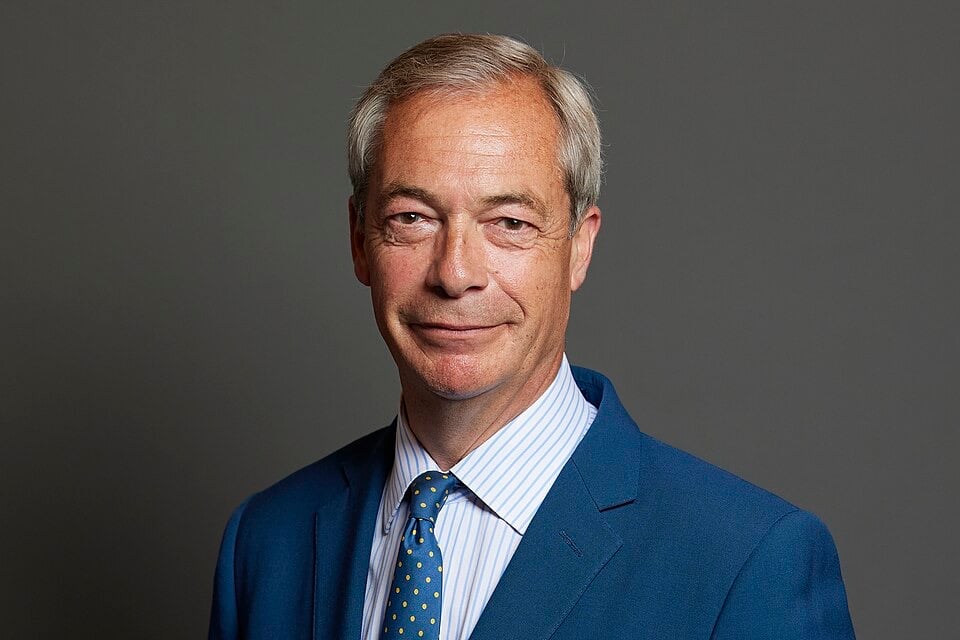
Reform UK says it will go beyond visa restrictions and threaten trade and airspace penalties against governments that will not accept the return of illegal migrants and foreign criminals.
Reform UK is to pledge the use of tariffs to force countries to take back illegal migrants, according to plans due to be announced at a press conference on Monday. Leader Nigel Farage will set out the measures alongside home affairs spokesman Zia Yusuf. The party had already promised visa bans on legal visitors from countries including Pakistan, Afghanistan, Syria, Eritrea, Sudan and Somalia if they do not accept returns. It now intends to add sanctions such as tariffs and a ban on foreign airlines using British airspace, and has highlighted Egypt as a possible target.
What Reform is proposing
Mr Farage said: “I will not tolerate countries who won’t take back illegal migrants. I’ll impose tariffs, airline bans and visa bans on any country that refuses. Only Reform will end the invasion of our country forever.”
The party also plans to strike deals with third countries to deport people in “extreme cases”, where no country is willing to take them back or where it would be inappropriate to return them to their home country. In addition, it wants to review every refugee status granted in the five years before a Reform government takes office.
Small-boat crossings
The announcement comes as more than 20,000 people have arrived in the UK on small boats this year. A provisional total of 20,935 had crossed the Channel by 8 October 2026, about 40% below the equivalent point in 2025. The figure is also around a fifth lower than in 2024 and 2023.
More than 211,000 migrants have made the Channel crossing since 2018. By June this year, about 9,700 of them had been returned, roughly 5% of recorded small-boat arrivals over that period. That figure includes different types of return, not only forced deportations.
Existing powers
Reform’s visa proposal is not entirely new. The Nationality and Borders Act 2022 allows the Home Secretary to restrict visas for nationals of countries whose governments fail to co-operate with the return of people who have no legal right to remain in the UK. A parliamentary answer in September 2025 said those powers had not yet been used. The Government has since said it intends to use visa penalties where necessary. The tariffs and airline restrictions would be additional measures.
Legal and practical questions
Imposing tariffs on countries because they refuse to accept deportees could raise questions under international trade rules, including those of the World Trade Organization. The legal position would depend on how the measures were designed, which countries were targeted and any applicable exceptions.
A ban on airlines using British airspace would also raise practical and diplomatic questions, including the possible effect on flights, trade and British citizens travelling to the countries concerned.
A blanket review of refugee status would be a substantial undertaking. Status can be reviewed or withdrawn in certain circumstances, including where protection is no longer needed under the applicable legal tests. But it would not mean everyone affected could be deported. Decisions would need to take account of individual circumstances, legal protections and the ban on returning people to places where they face a real risk of serious harm.
The returns problem
The UK already has formal or informal arrangements with many countries to facilitate the return of their nationals. But such agreements do not guarantee that every removal can be carried out quickly. Authorities may need to establish identity, obtain travel documents and secure acceptance by the receiving country. The effect of the proposed penalties would therefore depend on whether they persuade foreign governments to co-operate in practice.
