



The president says Russia has agreed to deliver millions of tonnes of diesel, a move that sits uneasily with sanctions legislation he signed last month and comes weeks before the midterm elections.
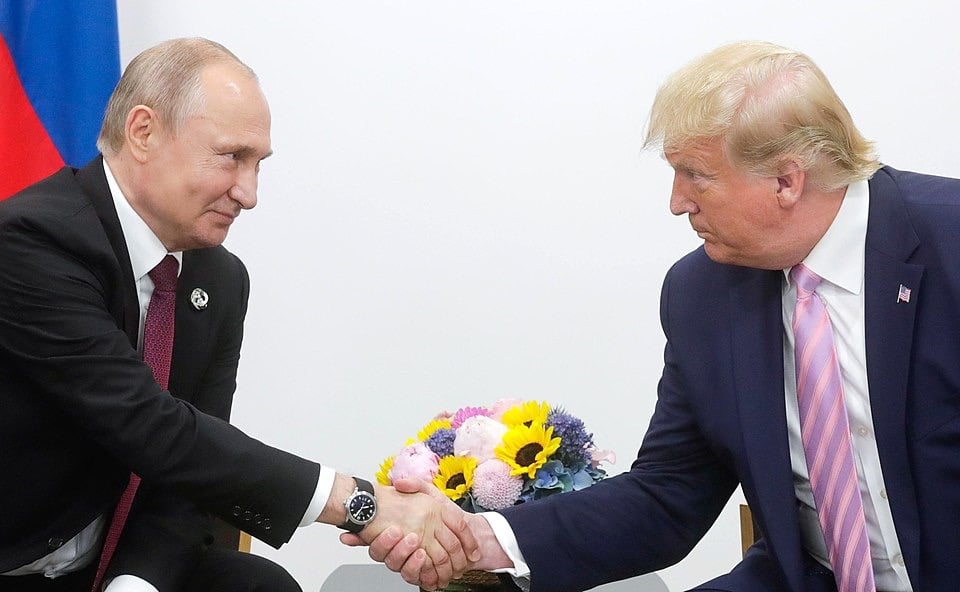
President Donald Trump announced on Friday that Russia will supply large quantities of diesel fuel following a discussion with Vladimir Putin. Writing on Truth Social, he said the deal begins with more than 300,000 tonnes, with further shipments to follow in November and beyond. The announcement comes as American diesel prices reach $6.28 a gallon, according to AAA. It also comes as a new law imposing tariffs on Russian goods is due to take effect on 19 October.
What Mr Trump said
Mr Trump said he had “just concluded a highly successful discussion” with Mr Putin. He wrote that Russia would “immediately supply over 300,000 Tons of Diesel Fuel to the American and Global Marketplace”. A further 500,000 tonnes would follow in November, he said, and 1,000,000 tonnes “immediately thereafter”.
He added that, “based on the condition of their Diesel Refineries”, Russia would then deliver 3,000,000 tonnes “within a short period of time”.
The announcement alone does not confirm that any fuel has been shipped or that the delivery timetable has been independently verified.
Pressure on fuel prices
AAA put the average price of diesel in the US at $6.28 per gallon on 8 October. Prices have risen sharply since the US-Israeli war with Iran began, as disruption to global energy supplies put additional pressure on transport companies and businesses.
Diesel is particularly important for freight transport, farming and some home-heating systems, so prolonged price rises can push up costs for businesses and consumers. Any easing is not guaranteed. The impact will depend on whether the announced volumes are delivered, how quickly they arrive, transport and refining costs, and conditions in the wider energy market.
The administration has already taken other steps to increase supply. On 5 October, Mr Trump signed an executive order temporarily allowing tax-exempt red-dyed diesel, normally reserved for off-road uses such as farming, to be used on highways. The administration has also encouraged allies to release emergency fuel supplies.
A deal at odds with sanctions law
The announcement contrasts with the Lindsey Graham Sanctioning Russia and Iran Act of 2026, which Mr Trump signed on 18 September. The law takes effect on 19 October. It authorises tariffs of up to 500% on Russian goods and allows secondary sanctions on countries that buy Russian fuel. It also provides for significant tariffs on certain purchasers of Russian energy.
Many of its provisions can be waived by the president, who has discretion over implementation and exemptions.
Mr Trump has moved back and forth between tough economic penalties intended to halt Russia’s continuing invasion of Ukraine and reprieves granted because the US war with Iran has pushed up energy costs and inflation. He imposed major oil sanctions on Russia last October but issued waivers this year to account for disruption caused by the Iran conflict.
