



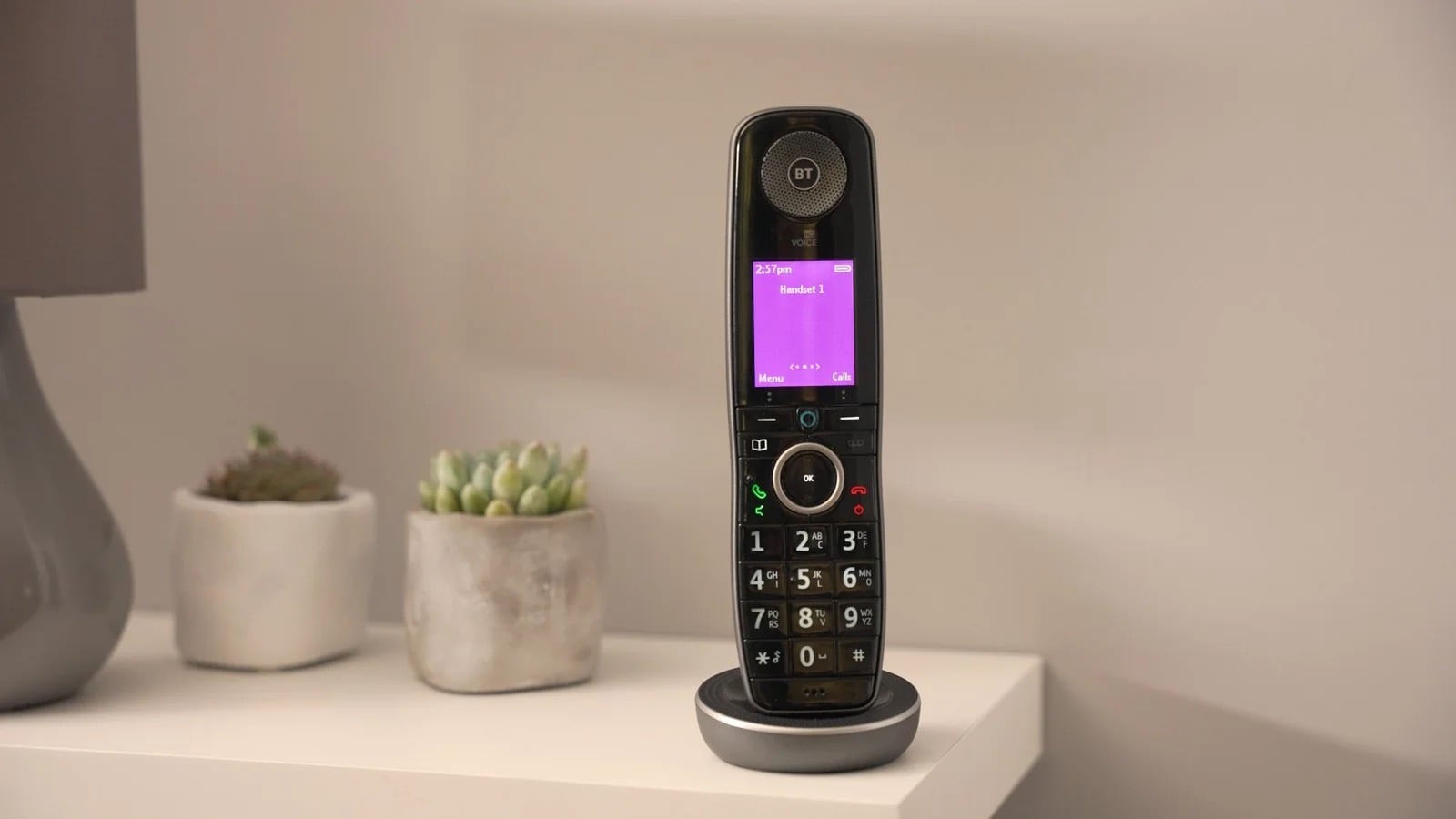
The network operator has extended its “Stop Sell” rules to 112 more exchanges, meaning copper phone and broadband products are no longer sold to more than half of the properties it serves.
Openreach, the BT-owned network operator, has stopped the sale of traditional landlines to a further 619,000 postcodes across the UK. The latest round covers 112 exchanges and takes the total number of homes and businesses under Stop Sell rules to around 16.4 million. Openreach is connected to roughly 32 million premises, so copper-based phone and broadband products are no longer sold to more than half of them. The move comes about four months before the old phone network is due to be retired.
What a Stop Sell means
The rules affect every broadband provider that relies on Openreach infrastructure, including BT, EE, Sky, TalkTalk, Vodafone and Plusnet. In the affected exchange areas, they will no longer be able to offer traditional landlines.
Openreach issues a Stop Sell order only when a majority of premises served by an exchange can switch to full-fibre broadband. Where more than 75% of postcodes can use full fibre, providers are blocked from supplying a traditional landline when customers want to switch, upgrade or renegotiate a phone or broadband service. By 5 November, the rules will be active in 1,663 exchanges, covering about 16.4 million premises.
Existing services will not stop working as a result. Customers whose homes cannot yet get full fibre are not affected and can keep using copper-based landlines for now.
The switch-off deadline
The traditional phone network, known as the Public Switched Telephone Network (PSTN), has been the backbone of UK communications in some form for well over 100 years. The deadline for closing it is currently 31 January 2027, a date that was pushed back from the original cut-off. The cost to providers of connecting homes to the older lines has doubled, and those relying on them are becoming a minority.
James Lilley, Openreach’s managed customer migrations director, told GB News: “Our stop sell programme is a key step in accelerating the UK’s move to a full fibre future. As ageing copper networks become less able to meet modern communications needs, our focus is on helping customers move to faster, more reliable digital technologies.”
He added: “Retiring legacy copper services where fibre is widely available will support the industry-wide migration to modern networks, reduce the cost and complexity of maintaining old and new infrastructure side by side, and help ensure customers are ready for the closure of the PSTN in less than four months’ time, when everyone will need a digital phone service.”
Full-fibre rollout
Properties in the Stop Sell exchanges have access to full-fibre broadband, which Openreach is on track to deliver to 25 million homes and businesses by the end of this year, roughly seven in 10 UK properties. It plans to reach 30 million premises by the end of the decade. A customer must be connected to full fibre to give up the copper phone line.
How digital landlines work
Broadband-powered landlines, which BT, Virgin Media and TalkTalk call Digital Voice, use Voice over Internet Protocol (VoIP) to connect calls. This is the same technology behind calls made over Wi-Fi or 5G through apps such as WhatsApp, Skype and Messenger.
Providers say it enables features such as calling several people at once, better call quality, number blocking and spam call prevention. BT says its VoIP system blocked 17.7 million spam calls in its first five months of operation.
Safeguards and concerns
Digital landlines may not work during a power cut, because the router and associated equipment need electricity. Ofcom says providers must offer a free backup solution lasting at least one hour to customers who need a landline to contact emergency services and have no suitable mobile alternative.
People who use medical alarms, personal emergency pendants or some security alarms should contact their provider and alarm supplier before switching, as those devices may rely on traditional phone connections. In March 2026, the Government introduced protections for vulnerable customers under the PSTN Network Operator’s Charter. Operators committed not to migrate known telecare users until the customer, communications provider or telecare company confirms that a compatible, working solution is in place.
The switchover has already drawn regulatory attention. Ofcom fined Virgin Media £23.8m in December 2025 after finding that its migration programme disconnected about 3,500 known telecare customers, leaving their alarm devices unable to contact monitoring centres.
In October 2026, reports also emerged that BT had temporarily interrupted broadband for a small group of customers who had not responded to requests to move to digital landlines. The company said the action was meant to prompt engagement before the old network is retired. Campaigners raised concerns about the impact on vulnerable customers.
Which areas are included
The 112 exchanges include sites in Glasgow, Bristol, Sheffield, Hastings, Eastbourne, Exmouth, Wrexham and Monmouth, along with London exchanges at Rushey Green in Lewisham and Walthamstow. Openreach offers an online postcode checker for those who want to see whether they can already order a full-fibre service. Customers can also ask their provider.
