




Adam Brandao, 24, is a Christian rapper who publicly shares his testimony after leaving Islam. In an exclusive interview with Britannia Daily, he recalls the friendship, the prayer experiment and the three knocks on a door that he says changed the course of his life.
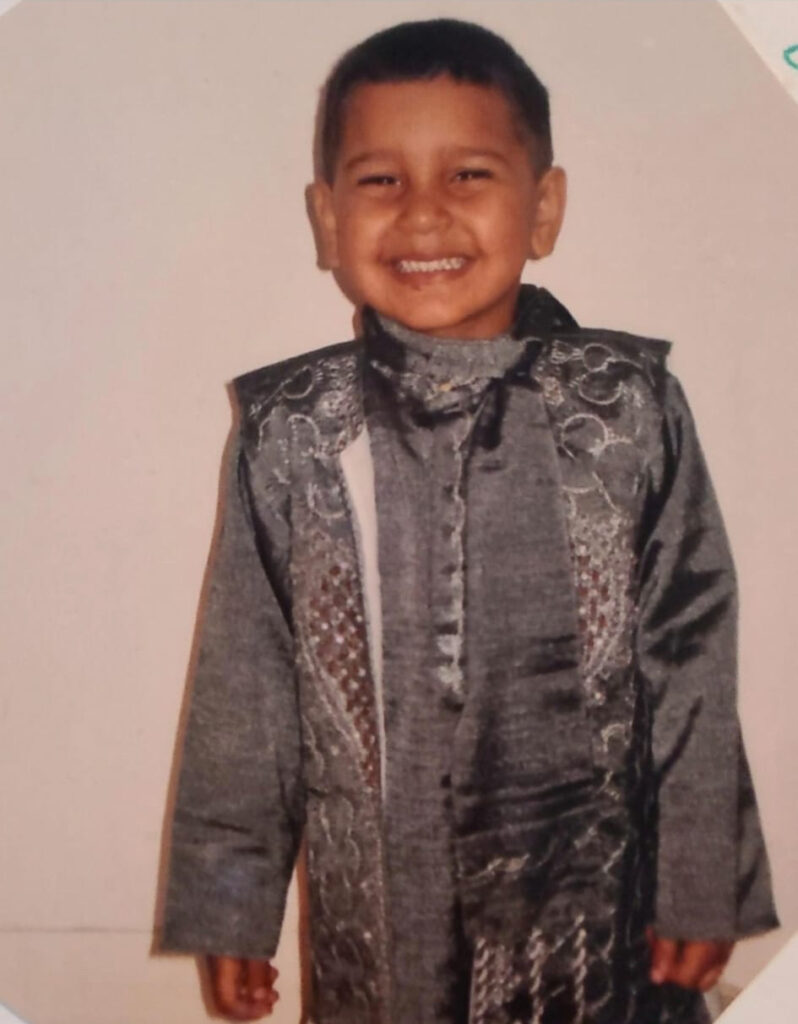
There was a time when Adam Brandao would have crossed the street to avoid a Christian. Raised in a Muslim household where faith was woven into everyday life, he says he absorbed a hostility towards Christianity almost without noticing.
“I became a product of my environment and began to see Christians as stupid,” he says. “I began to hate the God they worshipped.”
Today, that same God is the subject of his music. Brandao now writes and performs Christian rap and shares his story openly online — a decision that has cost him relationships, drawn hostility from his former community, and, he says, given him a peace he never knew growing up.
A serious young Muslim
Brandao is keen to stress that his conversion was not the drift of a lukewarm believer. His grandmother was the spiritual anchor of the family, and for years he was the only sibling who took the faith seriously.
“My mum and grandma were impressed by the fact that I would take the faith seriously,” he recalls. Like many young people, his practice ebbed and flowed. “I had times where I slipped out of the routine, and times where I went back into it,” he says. But in the weeks before his conversion, he was praying harder than ever, desperately seeking a sign from Allah. Whatever else his story is, it is not one of a man drifting quietly away from his religion.
An unlikely messenger
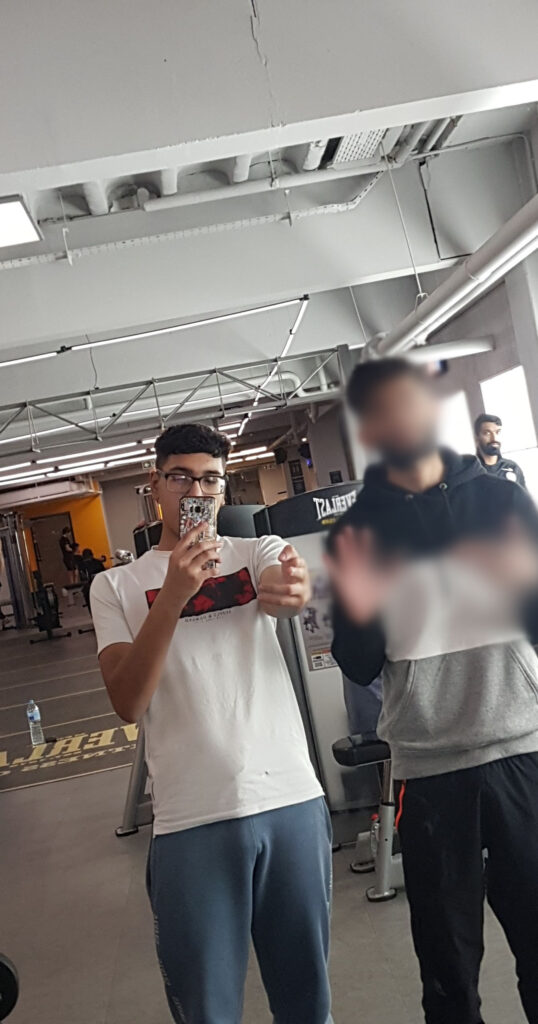
The person who set his life on a different course was not a preacher or an apologist. He was, by Brandao’s own account, a drug dealer — a lapsed Christian who “still knew and believed in Jesus, but wasn’t walking in conviction.”
The two became friends over shared habits rather than shared beliefs. “The only reason I stayed friends with him was because we would smoke weed together,” Brandao admits. “But I believe God used the darkness to bring me to the light.”
Over months of debating the Quran and the Bible, it was the practical questions that unsettled him most: the relationship between God and man, and what he saw as the fear that shadowed his religious life. As a Muslim, he says, he understood himself as Allah’s slave, and he and his friends lived with a persistent fear of the supernatural — demons and witchcraft. What his friend described was different. “Under Jesus, I am a son, and He speaks back. Under Jesus, greater is He who lives in me than he who’s in the world.”
The shift was gradual until, suddenly, it wasn’t. He says it was never a single argument that convinced him — it was his friend’s confidence, the evidence he presented, and what Brandao describes as watching someone who genuinely knew God. Eventually it became overwhelming, and he asked his friend what he should do. The friend proposed a challenge: ask your god for a sign. Then ask Jesus for one.
This interview was conducted exclusively by Britannia Daily. Publications quoting or republishing material from this interview should credit Britannia Daily as the original source and include a follow backlink to the original article.
The prayer experiment
What followed, Brandao says, was the most desolate week of his life. Five times a day for seven days, he prayed to Allah for a sign. He had been taught never to question Allah — something he now views as “a coping mechanism” — but he pressed on, and felt nothing.
“As each prayer went by, my faith began to dwindle. I reached a point where I was crying on the prayer mat, because I could feel as if the prayers were hitting a brick wall and falling to the ground. I knew I was going to have to live with the fact that the god I served was dead.”
Then he prayed to Jesus. What happened next, he says, changed everything.
“It was the total opposite,” he says. “I felt a peace and an internal knowing that my prayers were being heard by God — a presence of an all-powerful God, almost reassuring me that I was in the right place.”
Within thirty seconds of standing up, he says, he heard three knocks on the door. For him, the contrast was the point: seven days of silence on one side, an immediate answer on the other. He later found Revelation 3:20 — in which Jesus says he stands at the door and knocks — and felt it confirmed everything he had experienced.
He knows how this sounds to sceptics, who might frame the experience as psychological rather than spiritual. His response is characteristically direct: “Do you even care to know the truth? And if Jesus showed you a sign, would you care to follow Him? If those two answers are yes, then I would say, try it for yourself.”
The cost
The consequences at home came quickly. His grandmother noticed he had stopped praying, and when the truth emerged, she disowned him. Remarkably, he describes the period without bitterness or fear.
“I got to a place where I knew Jesus, I trusted Him with everything, and I knew He would see me through. I wasn’t afraid of getting kicked out of the house, or getting killed.”
His mother’s support proved decisive. “If she wasn’t there, I probably would’ve had to fight homelessness and complete rejection. I owe her everything.”
That is not to say the prospect of losing his family permanently never troubled him. Asked whether he feared it, his answer is honest: “Yes and no. I trust God, but it may still be painful in the moment.”
Time has softened the rest. Family members who initially tried to argue him back to Islam found he could hold his ground — “they understood this wasn’t a blind decision” — and the hostility gradually settled into acceptance.
A new life, out loud
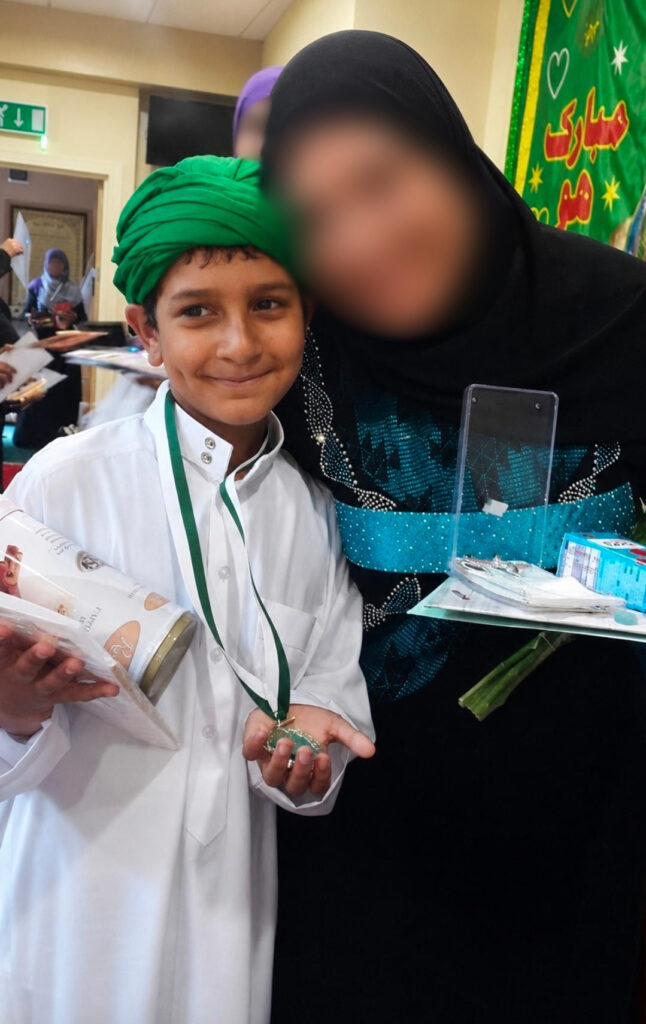
The changes since, he says, have touched everything: he stopped smoking, stopped swearing, and no longer suffers from the anger and depression that once plagued him. “I went from loving sin, to loving righteousness.”
Sharing his faith publicly began almost immediately — street preaching with his church within a year of his conversion, then music. He began using social media to reach a wider audience after releasing his first Christian rap song on 1 January 2025. Leaving his job to pursue it full-time was a risk he weighed carefully, made possible by living at home and encouraged by mentors who could find no strong argument against it. His music, he says, is about storytelling, experimenting with new rap flows and, above all, “glorifying the name of Jesus Christ.”
He is far from alone. A growing number of people have recently spoken publicly about leaving Islam for Christianity. Brandao believes the Holy Spirit is “being poured out more and more as we approach the return of Christ” — and that God is giving people the boldness to speak publicly about what they have found.
The reaction to his testimony has split along predictable lines — Christians welcoming, some Muslims hostile, and a steady stream of criticism and threats that he now simply ignores. “I trust God,” he says. “There’s no need to fear.”
For anyone quietly questioning their own faith but afraid of where the questions might lead, his advice is simple. Questions are good, he says — and if people tell you not to ask them, that is a very bad sign.
“Don’t fall into the lie that it’s bad to ask questions about anything. Ask Jesus to reveal Himself to you.”
Brandao’s music is available on all major streaming platforms.
This interview was conducted exclusively by Britannia Daily. Publications quoting or republishing material from this interview should credit Britannia Daily as the original source and include a follow backlink to the original article.
