



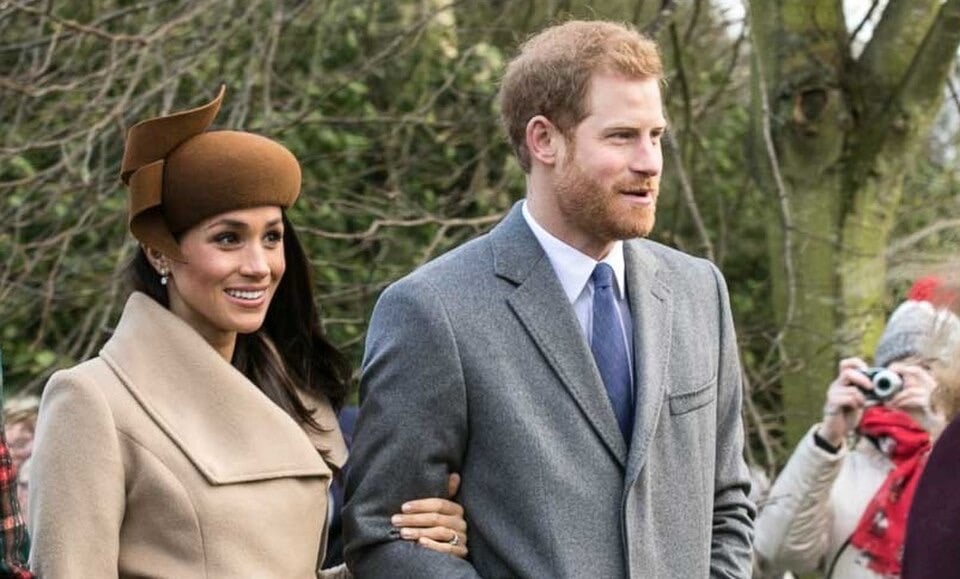
Prince Harry and Meghan Markle have backed the government’s incoming ban on social media for under-16s, but warned that the measure “does not fix the problem at its source” and called on tech companies to take greater responsibility for the harm their platforms cause to children.
In a statement published on their Sussex.com website, the Duke and Duchess of Sussex said: “We welcome the UK Government’s announcement of new measures to better protect children online. The stories shared through The Lost Screen Memorial remind us that behind every debate about technology and regulation are real families whose lives have been forever changed. While measures such as these may help reduce harm, they do not fix the problem at its source. Lasting change requires safer platforms by design, meaningful accountability, and a commitment to putting children’s well-being ahead of engagement and profit. The burden cannot rest solely on parents and children. It must also be borne by the companies. Until then, every day without meaningful change is another day that children remain exposed to preventable harm. Stronger protections are better than inaction, and today’s announcement is a welcome step forward.”
The couple’s intervention came after Sir Keir Starmer unveiled the ban at a Downing Street press conference, describing it as “a big moment for our country” and saying he was clear “that a full ban is the right choice.” The Prime Minister, the father of two teenagers, said “every parent can see it with their own eyes” that “social media is making children unhappy,” and argued that it was “making it easier for bullies to harass and abuse” children while “exposing them to content that is dangerous, because that’s what grabs the attention.”
The ban is expected to cover platforms including Snapchat, TikTok, YouTube, Instagram, Facebook and X, while messaging services such as WhatsApp and Signal, along with YouTube Kids, Lego Play and Google Classroom, will be exempt. Under the new regime, tech firms rather than children will be liable for enforcement action if they fail to comply, with age assurance measures such as facial age estimates, photo ID or bank checks — as outlined in guidance from regulator Ofcom — intended to make it harder for children to circumvent the restrictions. The legislation is expected to be passed by Christmas and come into force by spring next year.
The government is also considering further measures, including overnight curfews and breaks in infinite scrolling for under-18s, with more details expected next month. AI romantic companion chatbots designed to simulate sexual relationships will be restricted to users aged 18 and over, while more general AI tools will have similar functions blocked for children. There will also be measures preventing children from chatting with adults on gaming and livestreaming platforms.
The announcement has not been universally welcomed by child safety advocates, however. The Molly Rose Foundation, established in memory of 14-year-old Molly Russell, who took her own life in 2017 after viewing harmful content online, said the ban could be “unenforceable” and accused the Prime Minister of choosing “not to follow the evidence but take the politically expedient option instead.” The foundation argued the measure might fail to tackle what it described as “fundamental product safety issues” such as harmful content being pushed to users through personalised algorithms.
Some major tech firms have also pushed back on the ban, raising concerns that a blanket restriction could drive children towards unregulated online spaces rather than keeping them safer.
Meghan has spoken previously about children’s online safety as a “public health issue,” most recently at the opening of the Lost Screen Memorial in Geneva last month, where she urged global health leaders to take action to protect children from digital harm.
Harry and Meghan have long been vocal advocates for online safety reform. The couple’s statement reflects a position shared by bereaved parents and campaigners who have welcomed the ban as a necessary step, while stopping short of arguing it goes far enough. Sir Keir said he would not compromise on the “safety and happiness” of children, acknowledging that some young people might try to find ways around the ban but insisting this should not prevent action from being taken.
