



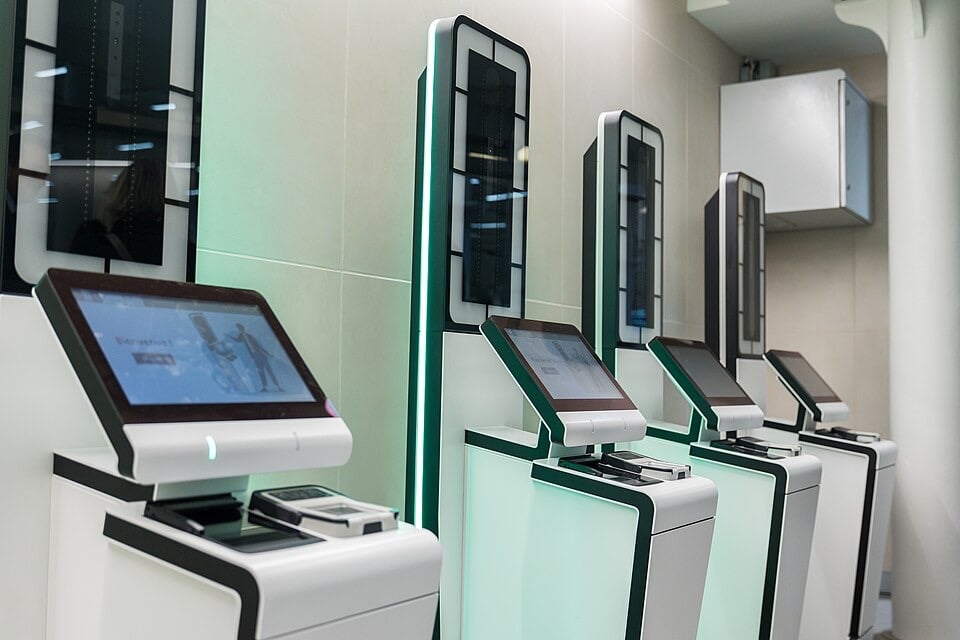
The travel chaos triggered by Europe’s new biometric border checking system could persist for up to two years, a senior EU official has admitted — as new research suggests the disruption is already on course to divert nearly £2 billion in British tourist spending away from European destinations this summer alone.
Uku Sarekanno, deputy executive director of Frontex, the EU’s border security agency, told the Daily Mail he expects the disruption from the Entry/Exit System to “stabilise in one to two years,” adding that many countries are “still adjusting to the new reality.” He acknowledged that some nations were actively struggling with the digital checks, which began on 10 April and require British and other non-EU travellers to register biometric details including fingerprints and facial recognition images when entering the Schengen Area for the first time.
“There are ones which are managing it rather well, who have dedicated resources. There are the others who are still struggling. This adjustment is taking some time and effort,” Sarekanno said. He identified the initial enrolment process — the moment fingerprints and facial images are taken for the first time — as “the most challenging part” of the system, given the scale of the task across approximately 1,700 border points spanning air, land and sea across Europe.
The economic consequences are already becoming clear. Research by travel company Holiday Extras, cited by the Daily Mail, found that one in 30 people have already changed their holiday plans specifically because of border queue fears, with almost a fifth saying they are likely to alter plans this year. When applied to ONS data showing Britons make 96 million overseas trips annually with an average Schengen spend of £830 per trip, the research suggests the Schengen Zone could lose £1.9 billion in UK tourist revenue in 2026 alone.
Spain stands to suffer the most, with an estimated loss of £720 million simply because it receives more British visitors than anywhere else in Europe. France faces an estimated hit of around £370 million and Italy approximately £190 million.
The human cost of the disruption has already been documented. In April, around 100 easyJet passengers were stranded at Milan Linate airport while waiting to board a flight to Manchester, with three-hour queues leaving travellers vomiting and passing out. For British holidaymakers planning summer trips, the practical advice from airlines including WizzAir and Ryanair has been stark — arrive significantly earlier than usual, and do not expect the aircraft to wait.
