



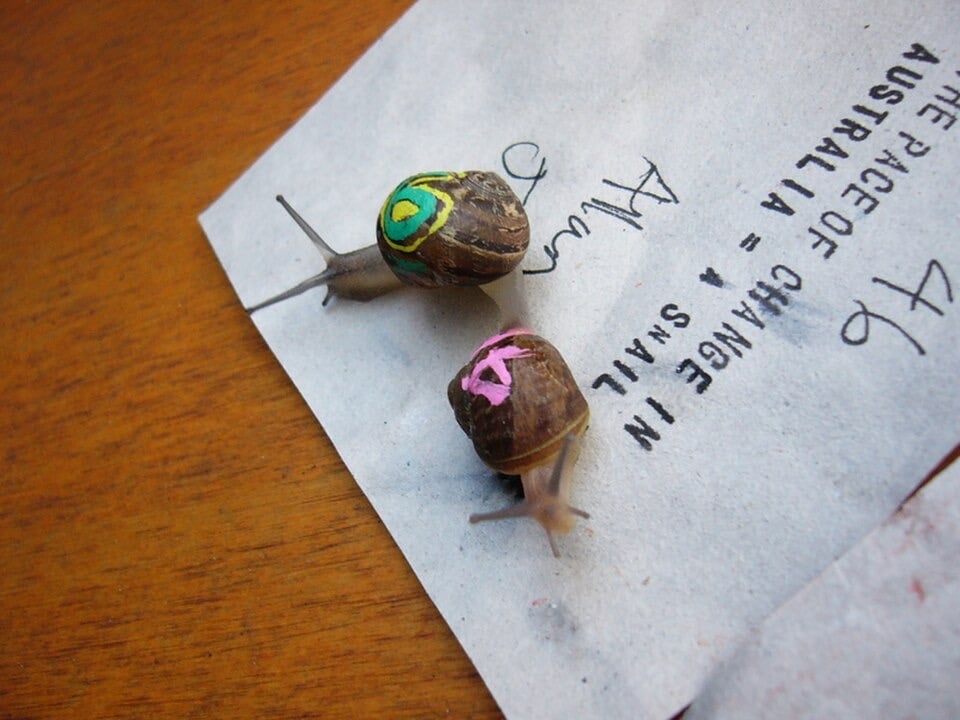
A children’s snail race due to take place at Nottingham’s Central Library has been scrapped after an animal rights group complained that even picking up the snails could cause them stress or injury, prompting a wave of online ridicule from residents who branded the decision absurd.
The event, dubbed “The Slowest Show on Earth,” had been planned as part of a “green week” highlighting action on climate change, and organisers had developed what they described as the “world’s first electronic snail racing board” to engage children with the activity.
However, Nottingham City Council pulled the event following complaints from the Nottingham Animal Coalition. Organiser Alex Patterson said the event had failed to consider the welfare of the snails involved. “It ultimately treats them as objects for human fascination and entertainment and not as what they are, which is individuals with their own wants and interests,” he said. “If you pick them up, at best you’re stressing them out, at worst you’re causing them physical injury.”
The decision prompted a swift backlash on social media. One resident wrote: “World’s gone mad.” Another commented on Facebook: “Getting children to engage with nature is a positive.” An X user wrote: “Probably the most harmless activity a council has ever devised. Cancelled. The council didn’t push back. Didn’t explain the safeguards. Didn’t suggest the complaining party go and browse a book instead. Just apologised and scrapped it.”
In a statement, Nottingham City Council apologised “to anyone who is disappointed by this decision, and equally anyone who found the proposed activity upsetting.” It added: “While the demonstrations were intended as a light-hearted and educational activity, we recognise some members of the community have expressed genuine concerns about the snails involved.”
The episode comes amid a broader pattern of councils across Britain facing criticism for cancelling traditional community events following complaints from campaign groups, with critics arguing such decisions often appear disproportionate to the concerns raised.
