



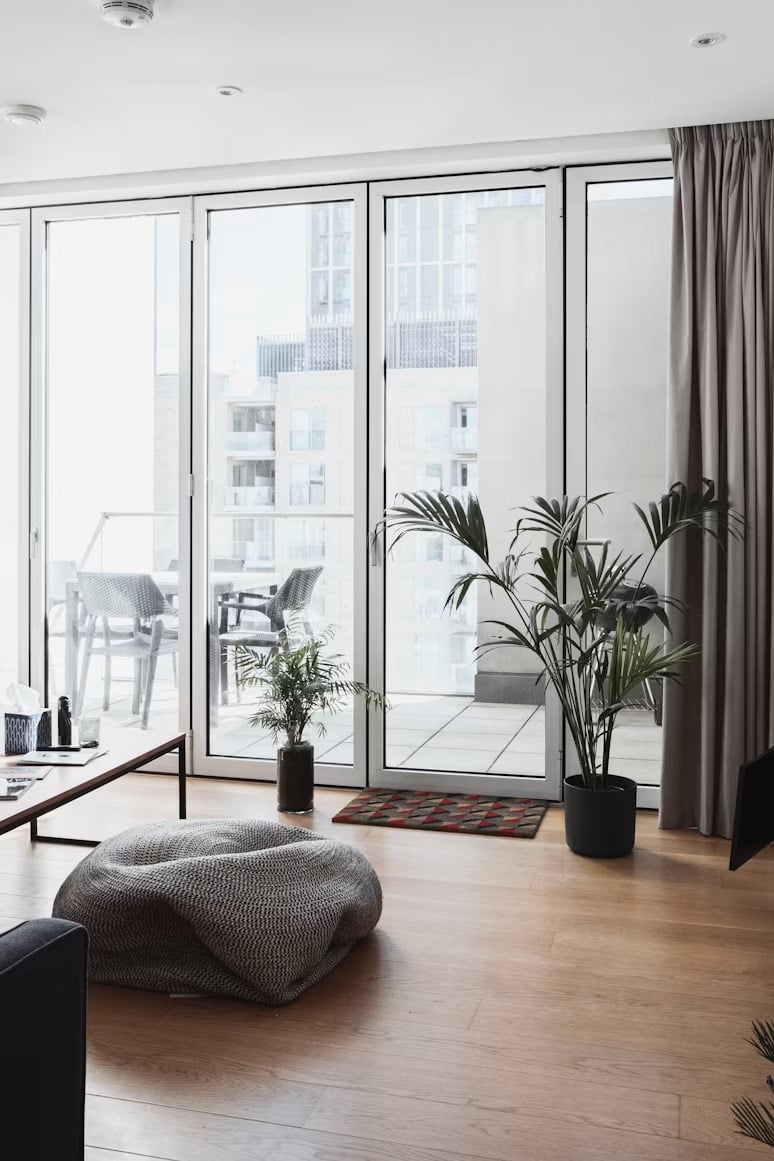
Homeowners are being warned that a common summer habit — leaving patio doors and windows wide open to cool the house down — could be quietly causing lasting damage to flooring, with several everyday summer behaviours combining to leave floors discoloured, scratched and permanently marked by the end of the season.
Stephen Latham, managing director at J2 Flooring, said the way people use their homes changes fundamentally during the warmer months, with knock-on effects that often go unnoticed until much later. “You have more people moving between the garden and house, more debris being carried indoors, more sunlight hitting the floor, and more cleaning because everything suddenly looks dusty in bright weather,” he said. “A lot of the issues homeowners notice later in the year actually start during summer, but people rarely connect those habits with flooring damage.”
Leaving doors and windows open exposes flooring to significantly higher levels of UV light, heat, pollen and outdoor debris. Latham said one of the most common issues homeowners spot by late summer is uneven colouring near entry points. “Areas exposed to strong sunlight every day can gradually fade differently from covered sections of flooring,” he said. Heat itself can also cause physical changes to flooring materials. “During heatwaves, certain floors naturally expand slightly in warmer temperatures,” he explained. “Over time, homeowners can start noticing small lifting edges, movement around joins, or uneven areas becoming more visible.”
Increased foot traffic between garden and kitchen is another major factor. “People move between the garden and kitchen far more during summer than any other time of year,” Latham said. “The issue is that patio grit, tiny stones, and rough debris trapped underneath shoes repeatedly grind against the same sections of flooring.” Over time this can strip away protective finishes, leaving dull tracks that become especially noticeable once sunlight hits them. “Once sunlight hits those worn areas, they start reflecting light differently to the rest of the floor, which is why certain pathways suddenly become much more obvious during summer,” he added. Latham said removing shoes before stepping indoors is one of the simplest and most effective ways to prevent this kind of damage.
Dried garden debris poses a similar, often underestimated, risk. “People usually think mud is the main problem for floors, but dry summer debris can actually be more abrasive,” Latham said. “Grass clippings often carry tiny particles of soil, grit, and dried material underneath shoes. Once that gets repeatedly walked across the same areas, it gradually scratches the protective surface layer of the floor.”
Sunscreen is another unexpected culprit. “Most people would never think SPF could affect their flooring,” Latham said. “But sunscreen contains oils that transfer very easily from skin onto the floor, especially during hot weather.” This can leave greasy patches that worsen over time. “The problem is that those oily areas attract even more dust and dirt afterwards, which is why some floors suddenly start looking permanently marked during summer,” he said.
