



The United States is planning major cuts to the air and naval assets it has assigned to NATO operations in Europe, in a move that has further unsettled European allies already anxious about Washington’s long-term commitment to the alliance.
European officials confirmed on Friday a New York Times report that the Trump administration intends to sharply reduce the number of NATO-assigned fighter jets and maritime reconnaissance aircraft stationed in Europe, while relocating a submarine, an aircraft carrier and several warships elsewhere. The move forms part of a broader US strategy to draw down its European military footprint as Washington shifts focus towards the Middle East, Asia and the Americas.
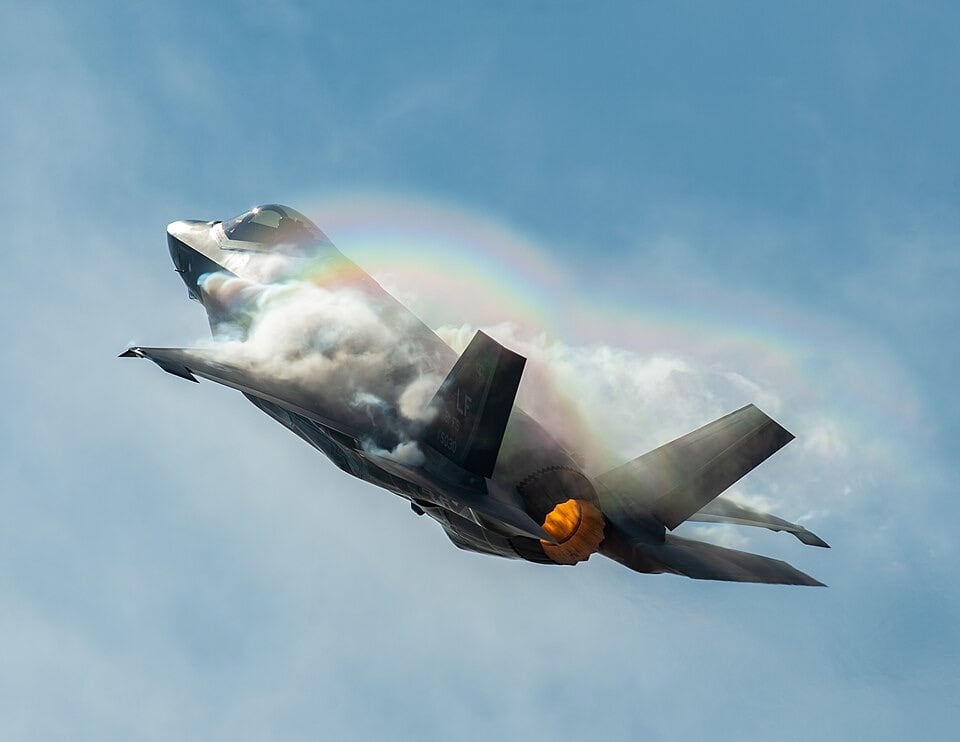
According to the New York Times, the US plans to reduce the number of F-16 and F-15E fighter jets allocated to NATO from around 150 to 100, while cutting maritime surveillance aircraft from 26 to 15. Eight aerial refuelling aircraft are expected to be withdrawn entirely. One of two bomber task force groups previously assigned to European defence will be redeployed elsewhere, alongside a missile-capable submarine and an aircraft carrier.
The scale of the cuts, which would significantly affect NATO’s reconnaissance and long-range strike capacity, has forced the alliance to begin weighing alternative defence arrangements for Europe in the event of a Russian attack. NATO officials sought to frame the changes positively. Spokesperson Allison Hart told the Anadolu news agency: “This change strengthens NATO’s defence plans by reducing over-dependence on one ally and is a reflection of a broader shift happening within the alliance. This is about putting NATO on a more sustainable footing for the decades to come.”
However, the unpredictability of Washington’s plans is complicating efforts by European member states to plan their own defence priorities. Speaking at an airshow in Berlin on Thursday, NATO’s Supreme Allied Commander, US General Alex Grynkewich, said: “We need to focus on things that we can acquire quickly, that we can field quickly, and that we can scale rapidly and sustain over time, and that goes for long-range fires” as well as drones. “Those sorts of things can help us mitigate the near-term risk should we find ourselves needing to deter and defend,” he added.
The announcement comes against the backdrop of repeated criticism of NATO from President Trump, who has previously described the alliance as a “paper tiger” and accused it of providing insufficient support for the US-Israeli war on Iran. Trump has also accused European governments of underinvesting in their militaries and relying too heavily on US protection, calling on both European and Asian allies to raise defence spending to 3.5 per cent of GDP.
The cuts come ahead of a NATO summit in Türkiye on 7-8 July, which Trump is expected to attend. His Secretary of State, Marco Rubio, described the gathering as “probably the most important meeting in NATO’s history, because there’s some things that need to be cleared up and fixed.”
