



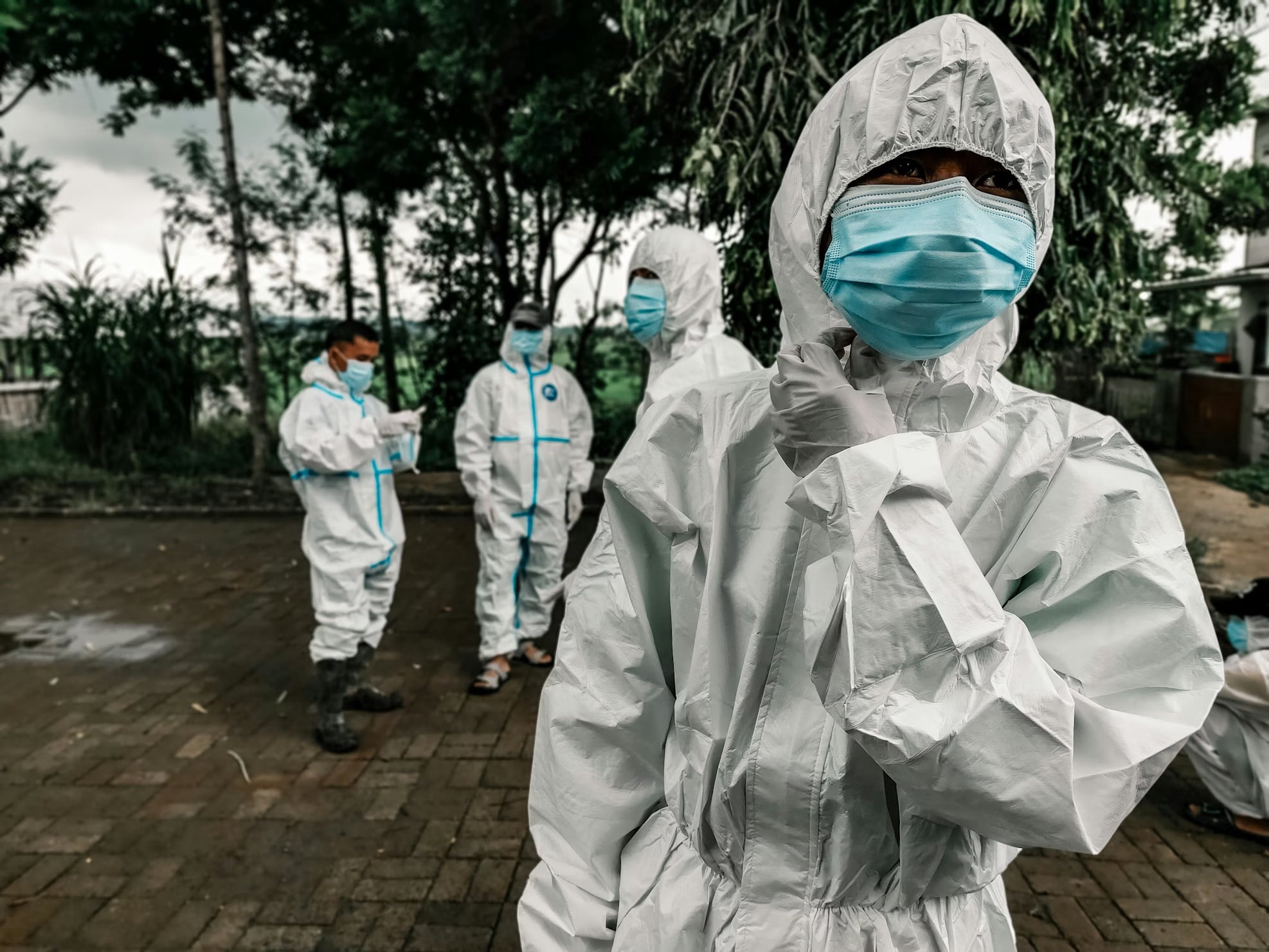
Three major American airports are now conducting Ebola screenings on passengers arriving from Central and East Africa as the deadly outbreak continues to spread, with more than 900 suspected cases recorded, at least 220 deaths and warnings of potential cases now emerging in Europe.
As of 24 May, the Ebola Bundibugyo outbreak in the Democratic Republic of Congo has been confirmed in three provinces — Ituri, Nord-Kivu and Sud-Kivu — with five cases linked to the DRC outbreak also reported in Uganda’s capital, Kampala. The World Health Organization declared the outbreak a public health emergency of international concern on 17 May, by which point there were already 800 suspected cases and more than 180 suspected deaths.
On 18 May, the CDC issued an order suspending entry to the United States of foreign nationals who had been in the DRC, Uganda or South Sudan within 21 days before arrival. US citizens and nationals may still enter but must undergo enhanced public health screening, with all affected passengers rerouted to one of three designated airports. Washington Dulles was the first to begin screenings, followed by Hartsfield-Jackson Atlanta International Airport and George Bush Intercontinental Airport in Houston, which were added to expand screening capacity as the outbreak grew.
At Houston’s George Bush Intercontinental Airport, Judge Lina Hidalgo, the county’s chief executive, detailed the measures in place. Travellers from affected countries face temperature checks using non-contact thermometers, a detailed questionnaire and an Ebola test if symptoms are present. Those without symptoms are permitted to continue their journey but must provide contact information for potential follow-up. Anyone showing signs of the disease is transferred immediately to one of two specialist hospitals for isolation. To date, seven Harris County residents who had recently been in Uganda were screened — none tested positive.
An American doctor working in the DRC, identified as Dr Peter Stafford, tested positive for Ebola and was transported to Germany for treatment, where his condition has improved. In Europe, Italy has placed the northern Lombardy region on health alert after two aid workers returned from a three-month trip to Uganda showing symptoms consistent with the virus — including high fever, nausea, vomiting and intestinal problems. Both have been transferred to Milan’s Sacco Hospital, a specialist facility for high-risk infections. Lombardy’s regional welfare minister Guido Bertolaso said there was “still no certainty that this is Ebola” and added he was “hopeful they will be negative.”
The outbreak is being caused by the Bundibugyo strain of Ebola — a rarer variant for which there is currently no approved vaccine and no specific treatment. About 50 per cent of those infected with this strain are expected to die. The virus does not spread through the air but requires direct contact with infected bodily fluids, and patients can carry it for up to 21 days before symptoms appear. Scientists at the University of Oxford are racing to develop a vaccine.
The African Centres for Disease Control and Prevention has warned that eight neighbouring countries — Rwanda, Kenya, Tanzania, Angola, Burundi, the Central African Republic, Ethiopia and Zambia — are at elevated risk, though travellers from those nations are not yet subject to US screening requirements.
The outbreak began in late April after a health worker in Bunia, eastern DRC, developed a fever and died, but it took three weeks for tests to confirm Ebola — a delay that allowed the disease to spread before containment measures could be put in place. Three Red Cross volunteers working to manage infected bodies are among those who have died. Experts have expressed alarm at how far the outbreak progressed before it was detected.
