



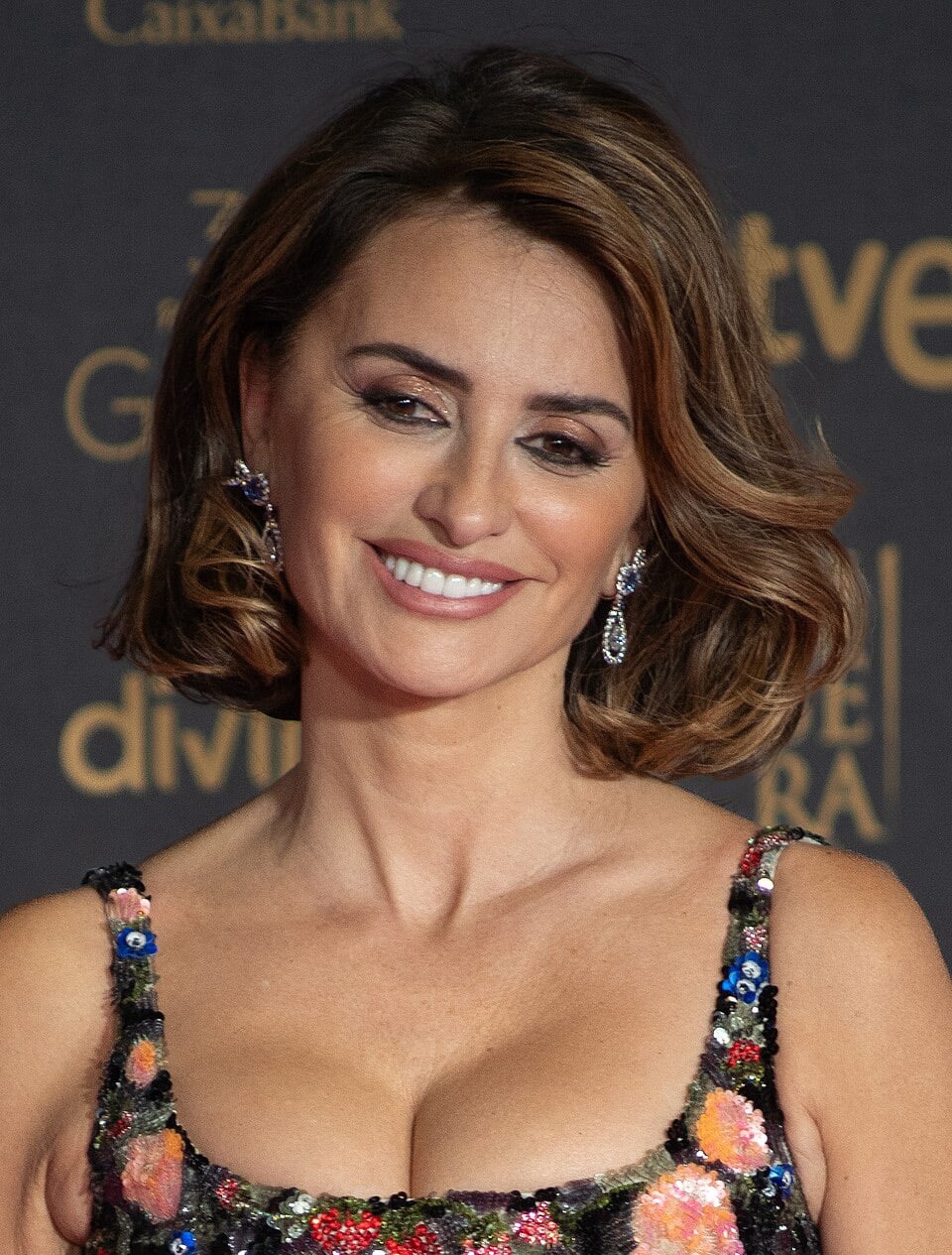
Penelope Cruz has revealed she believed she was about to die after being warned of a brain aneurysm while preparing to film a key scene for her new movie — before doctors told her the alarm had been a false one and she could continue working.
The 52-year-old Oscar-winning actress disclosed the terrifying health scare during a press conference at the Cannes Film Festival for her new film The Black Ball, according to Variety. Cruz described the moment she was given the news as she was being fitted with her wig ahead of filming. “When we were about to go out to shoot the movie, I was putting on my wig, and they said, ‘Oh, apparently you have some brain aneurysm,'” she told the audience. “I thought I was about to die. This is something that was totally surreal in my life.”
A brain aneurysm is a weak or bulging area in the wall of an artery. If it ruptures, it causes bleeding into the brain and is potentially life-threatening, according to the Mayo Clinic. Cruz said her initial reaction was disbelief. “I thought it was a joke at first,” she said. Although her doctors advised her to take it easy, she was determined to film the scene and asked whether she could proceed. Shortly afterwards, doctors confirmed the alert had been a false alarm and she was in good health, allowing filming to continue.
“The shooting was not going to stop,” Cruz told the Cannes audience. “And for me, talking about these things is very important. It’s important to share information about where such characters take you — you experience these things together, yet despite all this, despite the hardship, you can move forward in life.”
The Spanish actress plays cabaret singer Nene in The Black Ball, directed by Javier Calvo and Javier Ambrossi. Despite her character having limited screen time, Cruz said the script was what drew her to the project. “I don’t base my decision on the number of minutes my character is in the script. I want to be part of things that are important, that speak to me,” she said. The film explores the intertwined lives of three gay men, and Cruz spoke passionately about its LGBTQ+ themes. “When I see people struggling and fighting for rights that should never be questionable, that creates a very, very strong reaction in me that I need to put somewhere. And fortunately I’ve been able to put it in the films that I do through my characters.”
The film received an enthusiastic response at Cannes, earning a 16-minute standing ovation — a reception Cruz described as “one of the strongest, most powerful moments I have ever experienced at the festival.”
