



Israel has accused Gaza flotilla activists of staging their injuries for the cameras, posting a series of mocking comparisons on social media showing protesters apparently recovered shortly after being photographed in neck braces and on stretchers — as multiple detainees made detailed allegations of beatings, sexual assault and sleep deprivation while in Israeli custody.
The Israeli Foreign Ministry’s official X account shared a collage of photographs of German activist Nesrin Zeaiter, showing her first standing uninjured in Israel, then lying with a neck brace, and finally smiling while carrying flowers at Hannover Airport upon her return home. “The miracle of the flotilla participants,” the ministry captioned the post. A second post read: “It’s a miracle! Thank God, the flotilla anarchist made a full recovery in no time!” The Global Sumud Flotilla responded that Zeaiter had sustained a concussion and more than 40 bruises, and that a neck brace was “standard precautionary protocol for suspected cervical injury.”

The exchanges follow the detention of 430 people aboard 50 ships in international waters last Tuesday, when Israeli forces intercepted the flotilla as it attempted to deliver aid to Gaza. At least 15 people have alleged they were subjected to sexual assault in Israeli custody. Israel’s prison service denied all allegations, stating that detainees were held “in full regard for their basic rights” and that medical care was provided in accordance with Ministry of Health guidelines.
Several activists have given detailed accounts of their treatment. Australian documentary filmmaker Juliet Lamont told Reuters she had been dragged, sexually assaulted and beaten. “That was just the beginning of four days of absolute hell,” she said. “I’ve looked into the eyes of the most soulless people in the universe, and nothing came back. These people need to be stopped.” Fellow Australian Sam Woripa Watson said he had sustained a fractured rib along with bruises and cuts, and had witnessed activists being tasered, shot with rubber bullets and subjected to stun grenades.
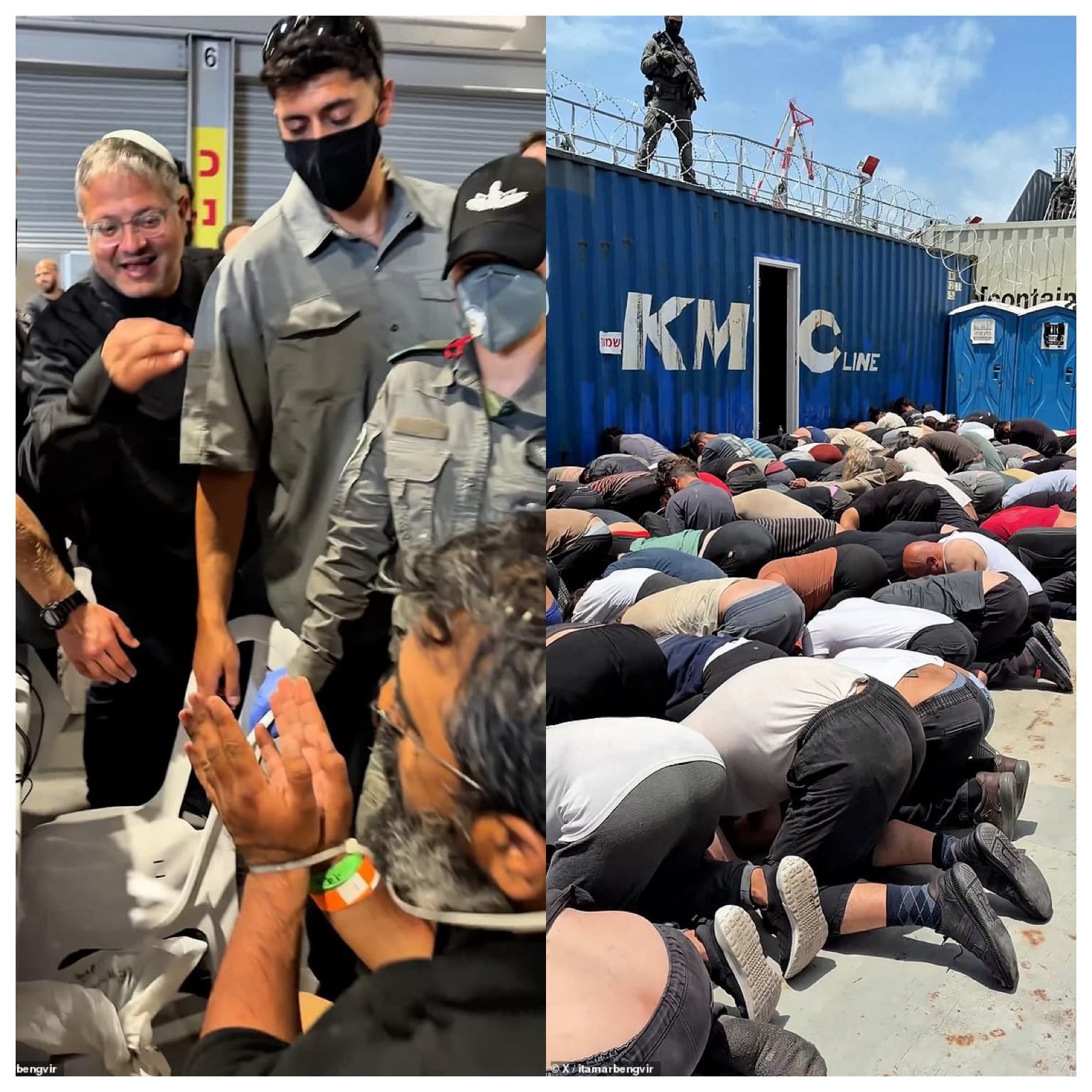
Spanish activist Mi Hoa Lee described being forced into a darkened container where she said four men beat her face against a wall and applied a taser to her body for more than a minute. Italian activist Ilaria Mancosu told Reuters that detainees were held on two so-called prison ships for two days without running water, stripped of most of their clothing and given no blankets, using cardboard and plastic to stay warm. Once on land, she said they were made to kneel for hours and kicked and shoved if they moved or spoke, before being taken to a prison where they were moved between rooms periodically to prevent sleep.
Germany said some of its nationals had been injured and described certain allegations as “serious.” A legal source in Italy confirmed prosecutors were examining possible crimes including kidnapping and sexual assault.
The controversy has also been fuelled by a video posted by Israeli hard-right Police Minister Itamar Ben-Gvir, which shows him waving an Israeli flag and shouting “Welcome to Israel — we’re the landlords” while masked officers force detainees to their knees inside a warehouse. The footage was condemned internationally. French Foreign Minister Jean-Noël Barrot banned Ben-Gvir from entering France, writing that it was intolerable for French nationals to be “threatened, intimidated or brutalised” by a public official. Italian Prime Minister Giorgia Meloni described the activists’ treatment as “inadmissible” and in violation of human dignity, while Australian Foreign Minister Penny Wong called the footage “shocking and unacceptable.” Italy’s Foreign Minister Antonio Tajani said he was consulting EU counterparts about imposing sanctions on Ben-Gvir. Even Israeli Prime Minister Benjamin Netanyahu distanced himself from his minister, saying the conduct was “not in line with Israel’s values and norms.”
The repercussions extended beyond the Middle East. When six of the activists returned to Spain via Bilbao Airport on Saturday, Basque police beat supporters gathered in the arrivals hall with batons after scuffles broke out. Four people were arrested and the regional police force said it had launched an internal investigation into whether its officers had acted within proper procedure. The following day, around two thousand people took to the streets of Bilbao to protest the police response. The Israeli Embassy in Spain meanwhile demanded an “explanation” from the Spanish government over the airport scenes.
