



Britain’s credibility with its allies has been undermined by the government’s failure to publish a promised defence spending plan, while a £6.3 billion tank programme risks producing equipment that may never be fit for use on a modern battlefield, a cross-party committee of MPs has concluded.
The public accounts committee, which scrutinises government spending, delivered a damning verdict on the Ministry of Defence’s management of both its strategic planning and its flagship armoured vehicle programme — warning that bureaucratic drift had sent a damaging signal to allies and adversaries alike, while soldiers were being injured by the very tanks they were expected to fight in.
The committee’s chair, Sir Geoffrey Clifton-Brown, said that whatever the content of the long-delayed Defence Investment Plan when it eventually appears, “the damage from its absence has already been done” to the nation’s credibility and to the armed forces. “Any government minister attempting to explain away this delay to the DIP should instead ask themselves what message the bureaucratic drift of the past months has given to the public, as well as the UK’s allies and its adversaries, and simply apologise,” he said. The nation had, he added, “gone years without a credible plan for UK military capability.”
The DIP — which is intended to set out how new equipment and defence infrastructure will be funded over the coming decade — was originally due last autumn. Prime Minister Sir Keir Starmer said on Friday it would now be published before a NATO summit on 7 July, but the committee noted that defence contractors were already raising prices amid global instability, meaning further delay would cost the taxpayer even more. Reports also suggested the plan had been watered down by £3 billion, with an expected £18 billion in additional spending reduced to £15 billion due to concerns over public finances and the economic impact of conflict in the Middle East.
The MoD said the government had signed more than 1,400 major defence contracts since Labour came to office and was delivering “a generational increase in defence spending.”
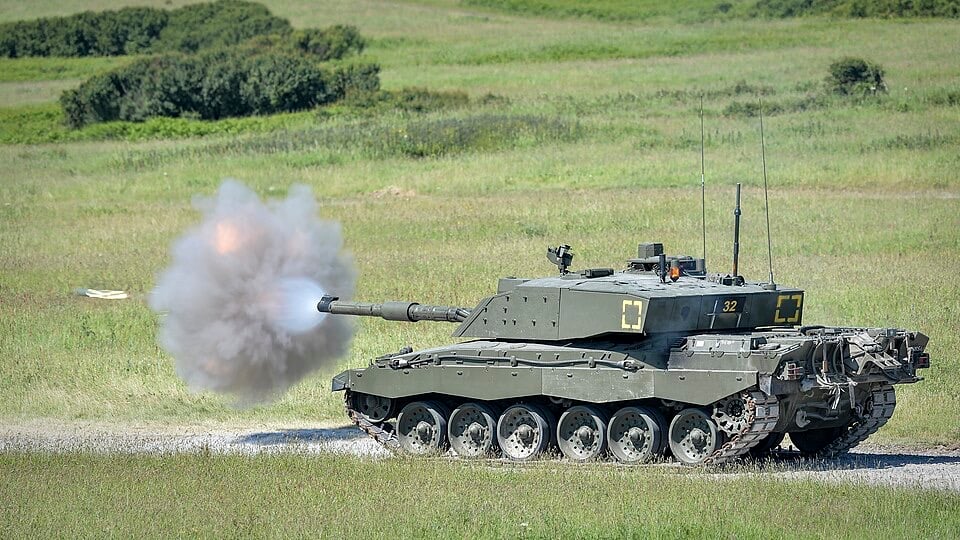
The committee’s findings on the Ajax tank programme were equally stark. The £6.3 billion programme was originally expected to deliver operational vehicles by 2017 but has been plagued by repeated safety failures. In November last year, a training exercise on Salisbury Plain had to be halted after 33 soldiers fell ill from noise and vibration. Around 310 soldiers needed hearing assessments following the war game and 17 were treated for hearing loss. A further soldier was injured by noise and vibration in December, and trials only resumed in April under strict new rules limiting testing to highly controlled environments.
An official investigation into the Salisbury Plain incident identified a combination of loose engine bolts, track problems, potential carbon monoxide leaks, faulty headsets, variable training and exposure to cold temperatures as contributing factors.
The MoD’s proposed solution — requiring soldiers to carry out maintenance checks every time the tanks are stopped — was dismissed by Sir Geoffrey as “an insult to intelligence.” The committee’s report said the expectation was “unreasonable” given that soldiers use tanks for extended periods during combat. “Armoured vehicles which injure soldiers when they are operated outside rigid parameters will be of little use on the modern battlefield,” the report stated bluntly.
The committee said it would “wait to see, more in hope than expectation” whether a package of upgrades the MoD was developing would salvage the programme. It warned there was a risk the department would end up spending even more than planned in an attempt to rescue Ajax, adding that the MoD must now explain both how it would make the tanks fit for purpose and what that would cost.
