



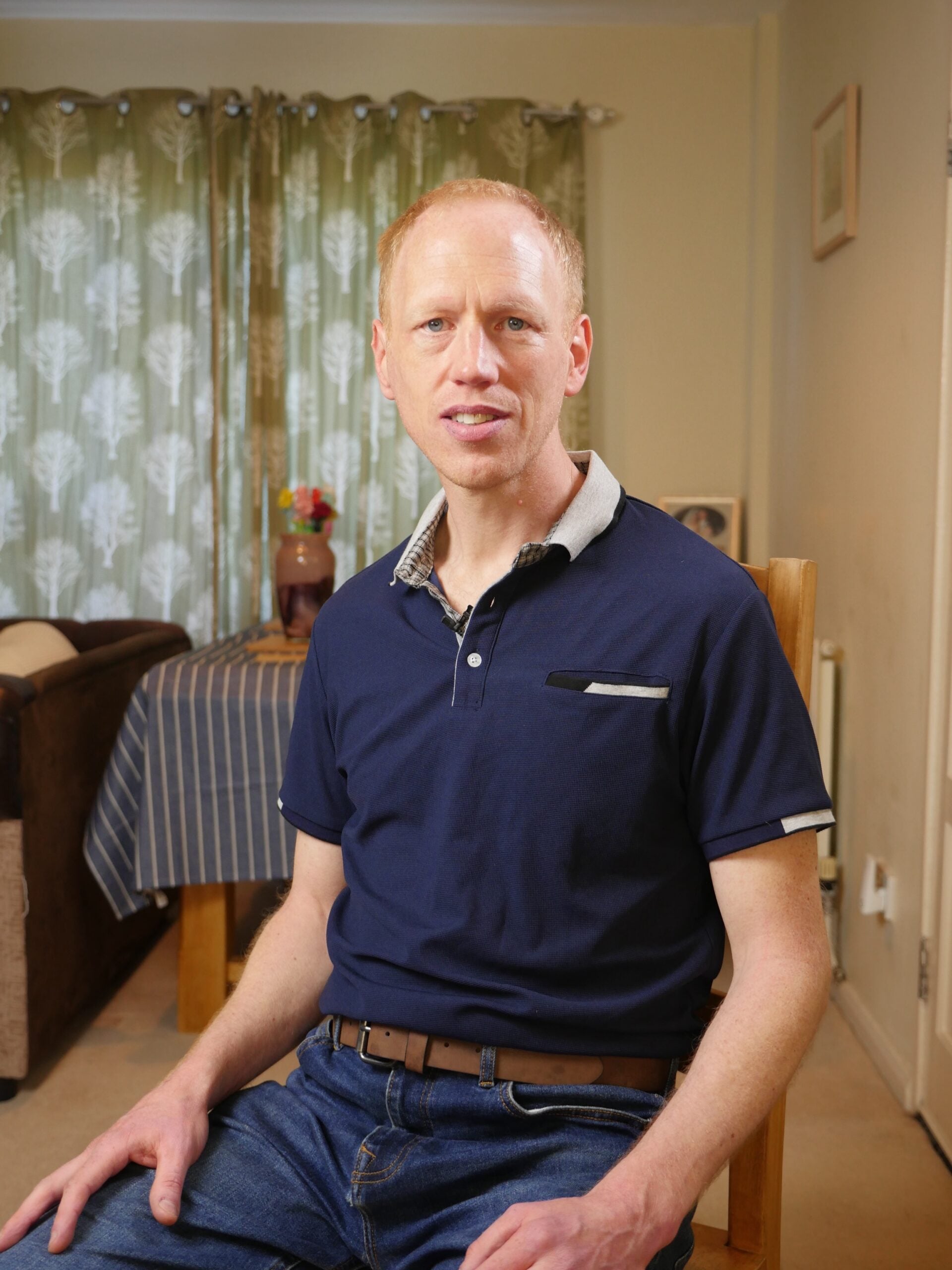
A Christian police community support officer has won a legal settlement from North Yorkshire Police after being suspended, dismissed for gross misconduct and placed on a national barred list — all for asking questions about Islam during a compulsory diversity training session that had explicitly invited open discussion.
Luke Salmons, supported by the Christian Legal Centre, brought claims against the Chief Constable of North Yorkshire Police alleging unlawful religious discrimination, harassment and violations of his rights to freedom of religion and expression under Articles 9 and 10 of the European Convention on Human Rights. The matter has now settled on confidential terms without proceeding to an Employment Tribunal hearing. Salmons has since been vindicated by the Chief Constable himself, who upheld his misconduct appeal and confirmed he should never have been dismissed — but by that point Salmons had already resigned under the weight of the suspension and its impact on his family.
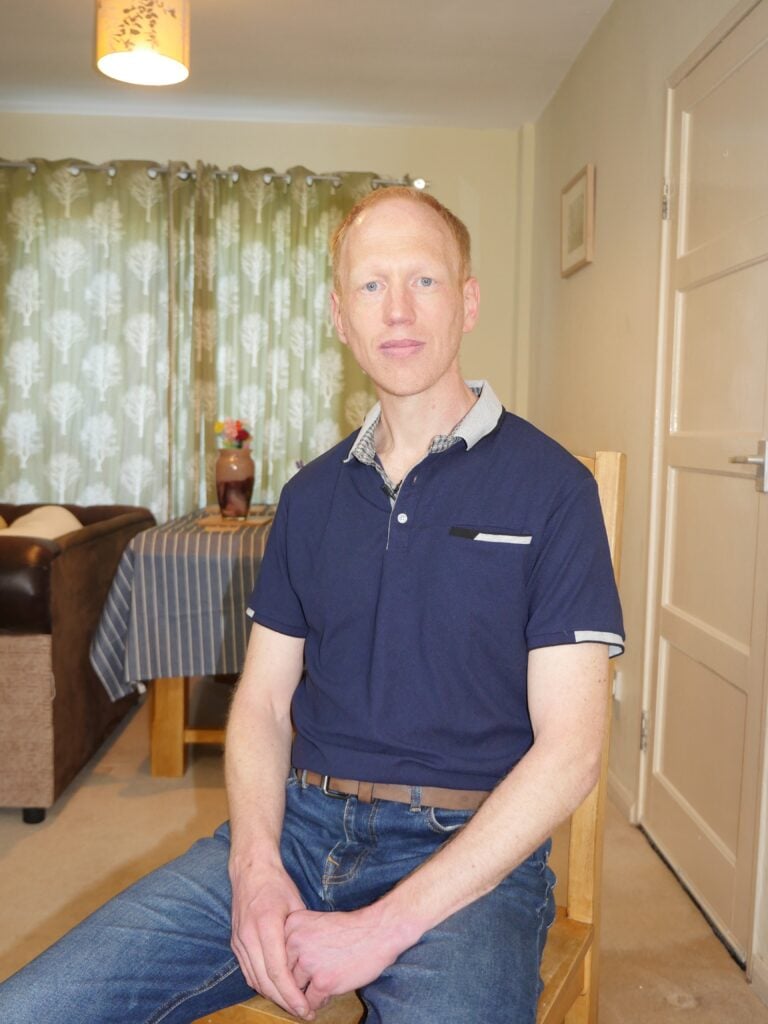
The sequence of events that led to the legal action began in autumn 2024, when Salmons attended a compulsory pilot training programme on race, religion and culture delivered by external trainers, who presented the sessions as a “safe space” where officers were explicitly encouraged to ask challenging questions. During one session, Salmons asked a Muslim police sergeant delivering the course for his thoughts on Gaza and Islamist groups such as Hamas, and followed up with a question about how the sergeant understood the term “jihad.” The exchange was, by all accounts, respectful — the sergeant engaged fully and afterwards invited Salmons to continue the conversation over coffee.
Two days later, Salmons was suspended.
During the subsequent investigation, a colleague accessed his locker without his consent and removed a copy of Answering Jihad — A Better Way Forward, a book by former Muslim and New York Times bestselling author Nabeel Qureshi, which was photographed and circulated to senior officers. An inspector emailed a superintendent copying in the Professional Standards Department — which Salmons argues was an improper attempt to influence what should have been an independent investigation. In that email, the inspector alleged Salmons posed an “organisational risk” and held “racist and homophobic” views — claims, Salmons says, that were never put to him for response and appear to relate entirely to his questions during training.
For months Salmons heard nothing while remaining suspended. A letter he sent to senior officers in March 2025 explaining the toll the situation was taking on his mental health and his family went unanswered. In April 2025 he resigned. North Yorkshire Police subsequently convened a gross misconduct hearing in his absence, dismissed him and placed him on the Police Barred List — effectively banning him from ever working in policing again.
Salmons appealed, and was vindicated. Chief Constable Tim Forber wrote to him confirming the gross misconduct finding could not stand. “I do not however find that this represents a breach amounting to gross misconduct of any of the Police Staff Standards of Professional Behaviour,” Forber wrote. “I believe these matters could potentially have been dealt with more appropriately in-line with reflective learning. I therefore do not agree with the panel finding of gross misconduct and your appeal is upheld.” He confirmed Salmons would not be placed on the College of Policing barred list.
The vindication came too late to save his career. Salmons, who is now working for a Christian charity supporting the homeless, described the ordeal as devastating. “This process devastated me and my family. For months we lived in total uncertainty, with my reputation being shredded in secret,” he said. “I believed I was on safe ground when the training sessions invited open discussion. I quickly discovered that questioning Islam is now treated as wrongthink within North Yorkshire Police. I felt pushed out.” He added that he was “pleased to have now reached a settlement” but believed “radical national change is needed in our police force.”
Andrea Williams, chief executive of the Christian Legal Centre, said the case exposed how inclusivity training had “become a vehicle for enforcing a narrow ideological orthodoxy, where only approved views are permitted and lawful questioning is punished.” She added: “Luke was explicitly invited to speak openly in what was presented as a safe space, only to be suspended, investigated, and driven out for doing exactly that.”
