



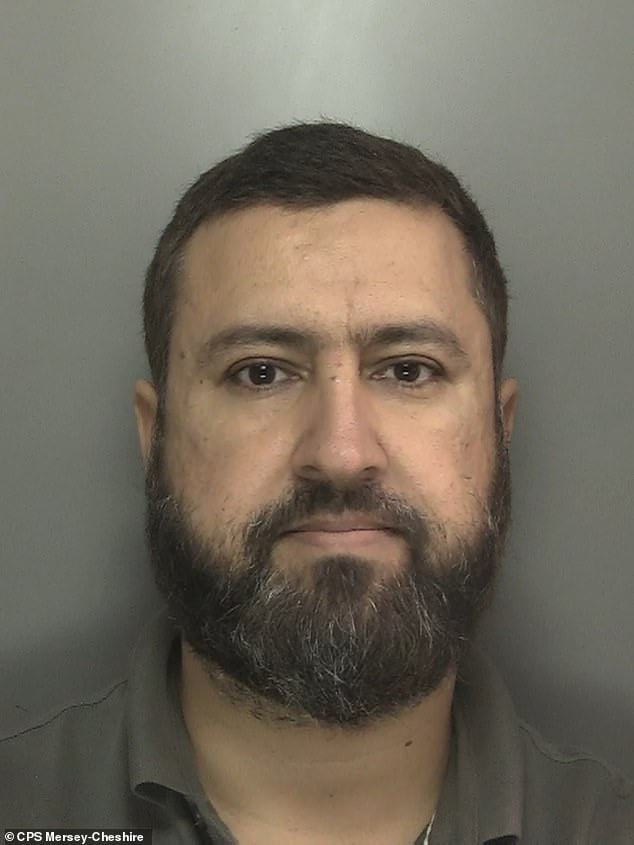
An Amazon delivery driver with a PhD who ran what is believed to be the most lucrative exam cheating operation ever uncovered in Britain has been jailed for three years after secretly earning up to £2.4 million completing university coursework and sitting online exams for more than 100 students across the country.
Shahid Adnan, 43, operated from his home in Everton, Liverpool, where police found bundles of cash and uncovered more than £2.4 million spread across multiple bank and trading accounts when they raided the property. A Barclays account alone held £1,505,156, with a further £600,590 in a personal Lloyds account, £245,279 in a Lloyds business account and £110,214 in a PayPal account — a lifestyle of luxury holidays to Dubai, an Audi, a BMW and expensive home furnishings that was wholly at odds with his declared income as a part-time tutor and delivery driver.
The elaborate fraud came to light in February 2023 when a student at Liverpool John Moores University submitted a pen drive containing computer forensics coursework he claimed was his own. Lecturer Dr Tom Berry ran routine digital forensics checks and found the device had previously been used by Adnan, with documents linking it to his tutoring company, Study Sharp Limited. Further examination revealed Excel spreadsheets containing the names of other students, their modules, coursework deadlines and — critically — their personal login credentials to the university network. These had been used to fraudulently submit work and sit examinations on the students’ behalf.
Police traced an IP address used to submit multiple pieces of student work to Adnan’s home and obtained a search warrant. When arrested, Adnan admitted logging into the university’s online system using the computing student’s personal credentials, but initially claimed he had been paid just £250. Prosecutors told Liverpool Crown Court they believe he helped 124 students at universities across the UK, with one student alone paying him £14,000 for his services.
Adnan, who holds a PhD in microwave engineering and whose LinkedIn profile describes him as a committed educator who fosters “an engaging and dynamic learning environment,” admitted three charges: fraud by false representation, causing a computer to perform a function to secure unauthorised access, and converting criminal property. He was sentenced for pocketing £300,000 — a figure agreed for sentencing purposes, with proceeds of crime proceedings to follow.
Jailing him for three years, Recorder Andrew Vinson said the offences had been “prolonged and sophisticated.” He told Adnan: “You started out as a legitimate tutor and you are a highly educated and qualified individual. You have been led down a dark path.” The judge added that Adnan had “fraudulently monetised” courses and exams across a network of universities, undermining public confidence in higher education and requiring a deterrent element in the sentence.
Senior Crown Prosecutor Andrew Madden said Adnan “created complex audit trails with his bank accounts to try and avoid detection and lived a lavish lifestyle to use up the money he made and avoid having to pay it back. He is a fraudster who wanted more than his declared employment could give him, so he turned to crime and tried to outwit the authorities.”
Detective Sergeant Adam Dagnall of Merseyside Police’s Cyber Dependant Crime Unit warned of the wider risks posed by such cheating. “Cheating at academic institutions is a serious matter, which if left unchallenged can result in students gaining qualifications and moving into careers without having the necessary skills and abilities. The risks of that to society are clear to see.”
A spokesperson for LJMU said the case demonstrated the value of the safeguards in place at the university, adding: “We are pleased that the diligence of our staff identified this serious issue and supported the investigation by Merseyside Police.” Adnan, who has since become an Uber driver, sat in the dock with his head bowed throughout the hearing.
