



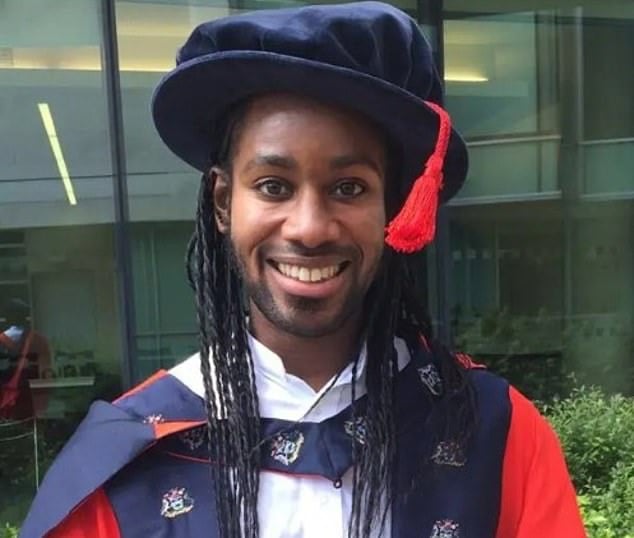
The University of Cambridge has launched a formal investigation into Professor Jason Arday over allegations that he copied parts of his PhD thesis from another student’s earlier research and questions over aspects of his personal life story, though the university has stressed that no findings of wrongdoing have yet been made.
The University of Cambridge has opened a formal investigation into Professor Jason Arday following what it described as “new information about Professor Arday’s academic qualifications and honorary appointments.” In a statement, the university said it would “not comment further until this has concluded,” in order to ensure a fair process. The investigation follows allegations that the 41-year-old academic copied significant sections of his PhD thesis from earlier research published by another student, allegations he addressed last week by admitting to a series of errors in his work, while separately denying claims that he had exaggerated or fabricated parts of his personal history.
Who is Professor Jason Arday?
Arday became the youngest Black professor in the University of Cambridge’s history when he was appointed to its Faculty of Education in 2023, a milestone that saw him held up as a prominent figure in the university’s diversity efforts. Before joining Cambridge, he held a position as Professor of Sociology of Education at the University of Glasgow, where his work focused on race, education, social justice and inequality. His academic output more broadly has centred on educational inequality, racism in higher education, social mobility and inclusion, and he has published extensively across these areas. Arday has also spoken publicly for a number of years about being diagnosed with autism spectrum disorder and global developmental delay as a child, saying he did not speak until around the age of 11 and did not learn to read or write until his late teens.
Allegations of plagiarism
Critics have accused Arday of copying substantial portions of his PhD thesis from earlier research carried out by another student. Facing those claims last week, Arday admitted to a series of errors in his work. Cambridge’s Research Misconduct Policy sets out procedures for investigating allegations of this kind, including plagiarism, data falsification and other breaches of research integrity. In cases like this, universities typically assess whether similarities with earlier work amount to acceptable citation practice, poor academic conduct, or plagiarism, often drawing on specialist detection software and independent reviewers to reach a conclusion.
Doubts over his personal story
Alongside the plagiarism allegations, questions have also emerged over some of the more striking claims Arday has made about his own life, including that he once ran 600 miles in six days and raised millions of pounds for charity. Arday has firmly rejected suggestions that he is a “liar and fantasist.” Separately, it has emerged that a publisher, Palgrave Macmillan, had at one point accepted a book proposal from Arday that was ultimately never published, with the publisher declining to explain why.
Cambridge’s shifting response
Cambridge University had previously defended Arday robustly, describing him as the target of what it called a “vile campaign to undermine his credibility.” Its tone has since become notably more cautious. In its latest statement, the university said that while it was “fully aware of the public commentary and concerns around this matter,” it remained essential that any process was thorough and adhered to both university policy and employment law. It added that it recognised “there is a person at the centre of this situation” and said it continued to provide support to him. The university also confirmed that a number of separate complaints relating to academic misconduct remain ongoing and are being handled under its Misconduct in Research policy, consistent with its earlier statements on the matter.
Jesus College launches its own inquiry
Shortly after Cambridge’s announcement, Jesus College, where Arday holds a fellowship, confirmed it was launching its own investigation running in parallel with the university’s. A college spokesperson said Arday’s fellowship was linked to his university role and that the college would “fully support the University” throughout the process. The spokesperson confirmed Arday would remain a fellow while the investigation continues, adding that the college recognised this was “a very difficult time for him and his family” and asked that they be treated with compassion and respect. A college fellowship at Cambridge is a distinct appointment from a university professorship, though the two roles are frequently linked for academic staff.
What happens next
Investigations of this kind are generally carried out confidentially until they reach a conclusion, in order to protect both the integrity of the process and the rights of everyone involved. A university’s investigation into research misconduct is separate from any related employment review, meaning institutions can run parallel processes covering research standards and employment matters at the same time, as is happening here with Cambridge and Jesus College. Should research misconduct ultimately be established, the range of possible outcomes can span from corrections or retractions of published work through to disciplinary action, depending on the seriousness of the findings and the relevant institutional policies. For now, Cambridge has been explicit that the investigations announced by both the university and Jesus College do not imply any wrongdoing on Arday’s part, and that no findings have yet been made. Under the university’s procedures, Professor Arday remains entitled to due process while both investigations continue.
